pattern

Advanced Vocabulary for the GRE - Stay on the Safe Side!

Here you will learn some English words about danger and safety, such as "hardy", "plucky", "wary", etc. that are needed for the GRE exam.

Review

Flashcards

Forms

Spelling

Quiz
Start learning
Advanced Words Needed for the GRE
chary
chary
[Adjective]

afraid and cautious of the possible outcomes of an action, thus reluctant to take risks or action

Ex: His chary approach to lending money was a result of previous bad experiences. 
Close
Sign in
deleterious
deleterious
[Adjective]

inflicting damage or harm on someone or something

Ex: Smoking cigarettes has been proven to have deleterious effects on one's health. 
Close
Sign in
doughty
doughty
[Adjective]

overflowing with bravery and determination

Ex: Known for her doughty attitude, she tackled every challenge with resolve. 
Close
Sign in
hardy
hardy
[Adjective]

possessing bravery and boldness

Ex: Her hardy spirit allowed her to face challenging situations with confidence. 
Close
Sign in
imminent
imminent
[Adjective]

(particularly of something unpleasant) likely to take place in the near future

Ex: With tensions escalating between the two countries, war seemed imminent. 
Close
Sign in
incendiary
incendiary
[Adjective]

utilized to set fire on a property

Ex: The authorities found incendiary devices at the scene of the arson. 
Close
Sign in
inflammable
inflammable
[Adjective]

capable of easily catching fire

Ex: The inflammable wood was a hazard and had to be removed from the construction site. 
Close
Sign in
innocuous
innocuous
[Adjective]

not likely to cause injury, offense, or strong reaction

Ex: His comment seemed innocuous but sparked controversy. 
Close
Sign in
intrepid
intrepid
[Adjective]

very courageous and not afraid of situations that are dangerous

Ex: The intrepid journalist ventured into conflict zones to report the truth. 
Close
Sign in
mettlesome
mettlesome
[Adjective]

overflowing with courage and determination

Ex: The mettlesome leader inspired the team with his bravery. 
Close
Sign in
moribund
moribund
[Adjective]

approaching death

Ex: He was found moribund after days without food or water. 
Close
Sign in
obstreperous
obstreperous
[Adjective]

unwilling to submit to authority or control

Ex: The obstreperous student refused to follow the teacher's instructions and shouted over her voice. 
Close
Sign in
plucky
plucky
[Adjective]

possessing or displaying determination and bravery

Ex: Her plucky response to the challenge inspired everyone around her. 
Close
Sign in
precarious
precarious
[Adjective]

full of danger or uncertainty, likely to cause harm or accidents

Ex: Walking on the icy sidewalk was precarious, and many people slipped and fell. 
Close
Sign in
pugnacious
pugnacious
[Adjective]

eager to start a fight or argument

Ex: Always looking for a fight, his pugnacious behavior earned him a reputation in the office. 
Close
Sign in
sangfroid
sangfroid
[noun]

the skill to stay calm when in a situation that is difficult or dangerous

Ex: His sangfroid during the emergency impressed everyone on the team. 
Close
Sign in
solicitous
solicitous
[Adjective]

overflowing with anxiety, unease, or concern

Ex: Eager to ensure comfort, the staff acted with solicitous attention to each guest. 
Close
Sign in
timorous
timorous
[Adjective]

lacking bravery and confidence

Ex: Her timorous voice betrayed her anxiety about speaking in public. 
Close
Sign in
unassailable
unassailable
[Adjective]

not capable of being criticized, attacked, or doubted

Ex: The defense attorney presented an unassailable case, leaving no room for doubt. 
Close
Sign in
wary
wary
[Adjective]

feeling or showing caution and attentiveness regarding possible dangers or problems

Ex: She was wary of strangers approaching her late at night. 
Close
Sign in
cataclysm
cataclysm
[noun]

a sudden or disastrous event that destroys or changes a whole region or system

Ex: Fall of the Western Roman Empire marked a political and economic cataclysm from which Europe did not recover for centuries. 
Close
Sign in
charlatan
charlatan
[noun]

an individual who acts as if they possess special qualities, knowledge, or skills

Ex: The so-called healer was exposed as a charlatan when his treatments failed to produce results. 
Close
Sign in
conflagration

an extremely intense and destructive fire

Ex: The forest was reduced to ashes in the massive conflagration, which raged uncontrollably for days. 
Close
Sign in
firebrand
firebrand
[noun]

an individual who is passionate about a cause, particularly political, and urges others to take action toward said cause, normally leading to trouble

Ex: As a firebrand, she rallied people to the cause with impassioned speeches and bold actions. 
Close
Sign in
gambit
gambit
[noun]

a strategic action or remark that is used to gain an advantage, particularly in the early stages of a situation, game, conversation, etc.

Ex: His opening gambit in the negotiation set the tone for a successful deal. 
Close
Sign in
haven
haven
[noun]

a place that provides safety, peace, and favorable living conditions for humans or animals

Ex: The remote island served as a haven for endangered wildlife, providing sanctuary for species at risk of extinction. 
Close
Sign in
makeshift
makeshift
[noun]

a thing that is used as an inferior and temporary substitute for something that is not available

Ex: They used a makeshift as a table during the camping trip, improvising with available materials. 
Close
Sign in
melee
melee
[noun]

a fight that is noisy, confusing, and involves many people

Ex: The concert turned chaotic when a melee broke out among the crowd. 
Close
Sign in
presentiment

a feeling or suspicion that something, particularly something unpleasant, is about to take place

Ex: She had a presentiment that something was wrong when she received the late-night call. 
Close
Sign in
reprisal
reprisal
[noun]

the act of hurting or damaging one's opponent or enemy in retaliation for the hurt or damage they inflicted upon one
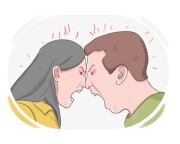
Ex: The country launched a military reprisal after the enemy’s surprise invasion. 
Close
Sign in
row
row
[noun]

a noisy bitter argument between countries, organizations, people, etc.
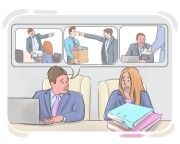
Ex: The media covered the ongoing row between the celebrities extensively. 
Close
Sign in
to daunt
to daunt
[Verb]

to cause a person to feel scared or unconfident
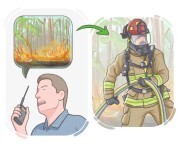
Ex: His initial failures did not daunt him; he simply viewed them as learning experiences. 
Close
Sign in
to dispatch

to send a person or thing somewhere for a specific purpose

Ex: The manager quickly dispatched a team to investigate the reported issue. 
Close
Sign in
to dog
to dog
[Verb]

to closely follow someone

Ex: The journalist decided to dog the politician, hoping to uncover a story. 
Close
Sign in
to eschew
to eschew
[Verb]

to avoid a thing or doing something on purpose
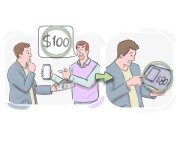
Ex: Health-conscious individuals often eschew sugary beverages in favor of water or herbal tea. 
Close
Sign in
to hoodwink

to deceive a person, often by hiding the truth or using clever tactics to mislead them
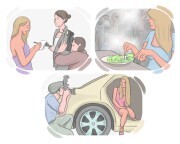
Ex: The scammer attempted to hoodwink elderly individuals into giving away their personal information. 
Close
Sign in
to hound
to hound
[Verb]

to constantly chase, pressure, or follow someone to gain or achieve something

Ex: The paparazzi hounded the celebrity for photographs. 
Close
Sign in
to implode

to burst, fall, or collapse toward the inside violently
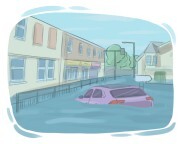
Ex: The star's core imploded, creating a supernova that lit up the galaxy. 
Close
Sign in
to inundate

to cover a stretch of land with a lot of water
Ex: Heavy rains can inundate the riverbanks, causing widespread flooding in the area. 
Close
Sign in
to unnerve

to make someone feel uneasy or anxious, disrupting their usual calm or confidence

Ex: Constant criticism unnerves her and affects her performance at work. 
Close
Sign in
to fortify

to secure a place and make it resistant against attacks, particularly by building walls around it

Ex: The city decided to fortify its borders with a tall, robust wall to deter potential invaders. 
Close
Sign in
LanGeek
Download LanGeek app