
500 verbes anglais les plus courants - Top 101 - 125 Verbes
Ici, vous est fournie la partie 5 de la liste des verbes les plus courants en anglais tels que "join", "forget" et "fight".
Réviser
Flashcards
Orthographe
Quiz
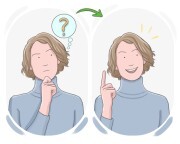
to have a sudden or complete understanding of a fact or situation

réaliser

to pay attention to someone or something, especially because they deserve or attract attention
remarquer
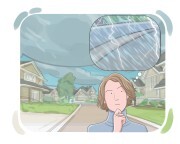
to think or believe that it is possible for something to happen or for someone to do something
s’attendre à, attendre
En tant que manager, il est important de communiquer clairement ce que vous attendez de votre équipe.
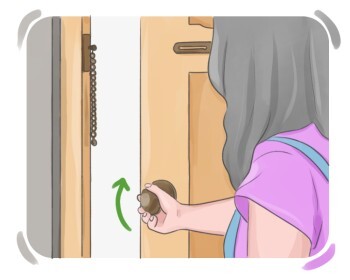
to move something like a window or door into a position that people, things, etc. can pass through or use
ouvrir
Ma sœur et moi avons ouvert la porte pour voir ce qu'il y avait dans la pièce.

to make or have an image of something in our mind
imaginer
Pouvez-vous imaginer un monde sans technologie ?
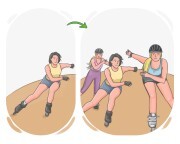
to become a member of a group, club, organization, etc.
rejoindre, s’inscrire à, devenir membre de
Il a décidé de rejoindre le club d'échecs pour améliorer ses compétences stratégiques.
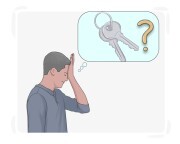
to not be able to remember something or someone from the past
oublier
Essayez de ne pas oublier les points principaux de votre présentation.
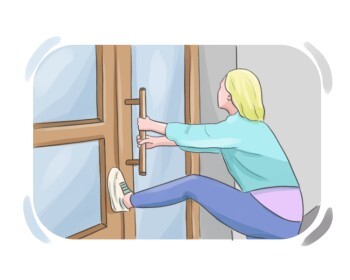
to use your hands to move something or someone toward yourself or in the direction that your hands are moving
tirer
Elle a tiré la poignée de la porte pour ouvrir l'entrée.

to take pleasure or find happiness in something or someone
jouir de
Nous avons apprécié un délicieux repas dans le nouveau restaurant de la ville.
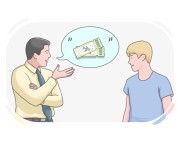
to say something about someone or something, without giving much detail
mentionner
Il n'a pas mentionné la fête jusqu'à la dernière minute, nous prenant par surprise.
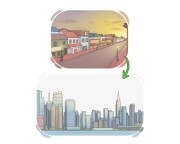
to gradually grow, change, or become more advanced
se développer
Au fur et à mesure que le projet avance, nous nous attendons à ce qu'il se développe et intègre de nouvelles fonctionnalités.
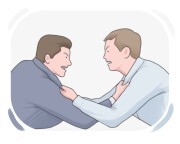
to take part in a violent physical action against someone
combattre,se battre
Il est essentiel de trouver des résolutions pacifiques plutôt que de recourir à se battre dans les conflits.

to pay full attention to someone or something specific
focaliser l’attention
John trouve difficile de se concentrer dans un environnement bruyant.
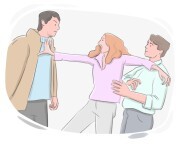
to provide someone or something with encouragement or help
soutenir, supporter
Alors que je traversais une période difficile, ils me soutenaient inconditionnellement.
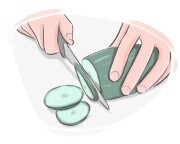
to divide a thing into smaller pieces using a sharp object
couper
Je dois couper l'herbe dans le jardin avec une tondeuse.
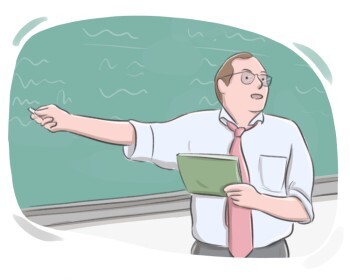
to give lessons to students in a university, college, school, etc.
enseigner
Le professeur enseignera un cours sur les sciences de l'environnement ce semestre.
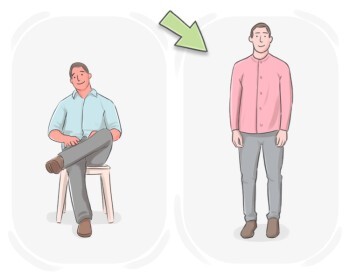
to be upright on one's feet
se tenir debout
Je me tiens généralement devant le miroir pour me coiffer les cheveux.
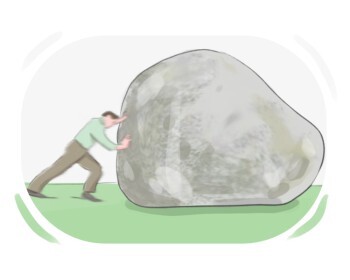
to use your hands, arms, body, etc. in order to make something or someone move forward or away from you
pousser
Elle a poussé la poussette le long du chemin dans le parc.
to not hit or touch what was aimed at
manquer,rater
Le pilote de chasse a manqué de justesse l'avion ennemi pendant le combat aérien intense.
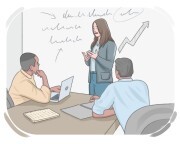
to make something clear and easy to understand by giving more information about it
expliquer
J'ai besoin que quelqu'un m'explique le concept de gravité.
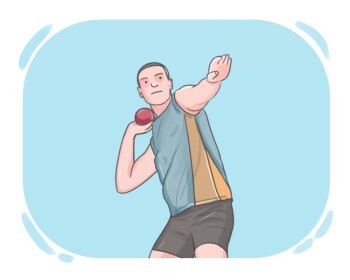
to make something move through the air by quickly moving your arm and hand
lancer
Ne jetez pas vos déchets par terre, utilisez une poubelle.
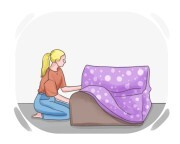
to place something over or around a person or thing to hide, protect, or enclose it
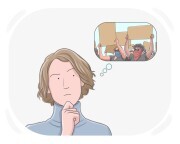
to think or believe that something is possible or true, without being sure
supposer
Compte tenu des prévisions météorologiques, je suppose qu'il pleuvra plus tard aujourd'hui.
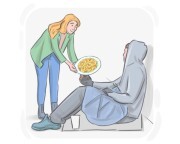
to give someone what is needed or necessary
fournir
L'enseignant fournira des ressources supplémentaires aux élèves pour améliorer leur apprentissage.
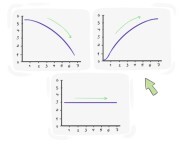
to become greater in amount, number, size, degree, or intensity
