pattern

500 Verbos Más Comunes en Inglés - Verbos Comunes

Aquí tienes la parte 5 de la lista de los verbos más comunes en inglés como "join", "forget" y "fight".

Revisión

Tarjetas de memoria

formas

Ortografía

Cuestionario
Empezar a aprender
Most Common Verbs in English Vocabulary
to realize
to realize
[Verbo]

to have a sudden or complete understanding of a fact or situation

saber, reconocer

saber, reconocer

Ex: It was n’t until the lights went out that we realized that the power had been cut .

No fue hasta que se apagaron las luces que nos dimos cuenta de que se había cortado la energía.

to notice
to notice
[Verbo]

to pay attention and become aware of a particular thing or person

darse cuenta de, notar, reconocer

darse cuenta de, notar, reconocer

Ex: I noticed the time and realized I was late for my appointment .

Noté la hora y me di cuenta de que llegaba tarde a mi cita.

to expect
to expect
[Verbo]

to think or believe that it is possible for something to happen or for someone to do something

esperar, contar con
esperar, contar con

Ex: He expects a promotion after all his hard work this year .

Él espera un ascenso después de todo su arduo trabajo este año.

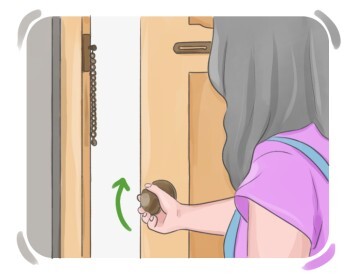
to open
to open
[Verbo]

to move something like a window or door into a position that people, things, etc. can pass through or use

abrir

abrir

Ex: Could you open the window ? It ’s getting warm in here .

¿Podrías abrir la ventana? Se está poniendo caliente aquí.

to imagine
to imagine
[Verbo]

to make or have an image of something in our mind

imaginar
imaginar

Ex: As a child , he used to imagine being a superhero and saving the day .

De niño, solía imaginar ser un superhéroe y salvar el día.

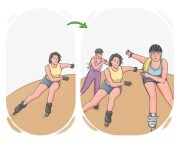
to join
to join
[Verbo]

to become a member of a group, club, organization, etc.

unirse a, participar
unirse a, participar

Ex: She will join the university 's rowing team next fall .

Ella se unirá al equipo de remo de la universidad el próximo otoño.

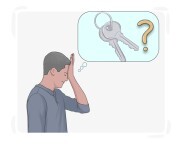
to forget
to forget
[Verbo]

to not be able to remember something or someone from the past

olvidar
olvidar

Ex: He will never forget the kindness you showed him .

Él nunca olvidará la amabilidad que le mostraste.

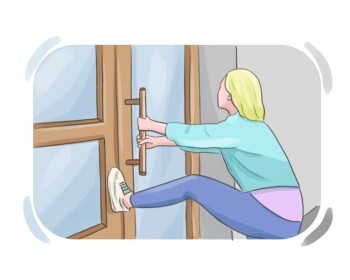
to pull
to pull
[Verbo]

to use your hands to move something or someone toward yourself or in the direction that your hands are moving

tirar, jalar

tirar, jalar

Ex: We should pull the curtains to let in more sunlight .

Deberíamos tirar de las cortinas para dejar entrar más luz solar.

to enjoy
to enjoy
[Verbo]

to take pleasure or find happiness in something or someone

disfrutar, gozar
disfrutar, gozar

Ex: Despite the rain , they enjoyed the outdoor concert .

A pesar de la lluvia, disfrutaron del concierto al aire libre.

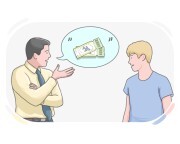
to mention
to mention
[Verbo]

to say something about someone or something, without giving much detail

mencionar
mencionar

Ex: If you have any dietary restrictions , please mention them when making the reservation .

Si tiene alguna restricción alimentaria, por favor mencione al hacer la reserva.

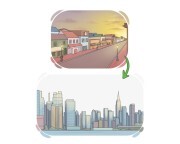
to develop
to develop
[Verbo]

to change and become stronger or more advanced

desarrollarse
desarrollarse

Ex: As the disease progresses , symptoms may develop in more severe forms .

A medida que la enfermedad avanza, los síntomas pueden desarrollarse en formas más graves.

to fight
to fight
[Verbo]

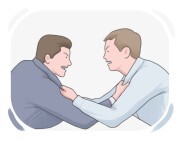
to take part in a violent physical action against someone

pelear, luchar

pelear, luchar

Ex: The gang members fought in the street , causing chaos .

Los miembros de la pandilla pelearon en la calle, causando caos.

to focus
to focus
[Verbo]

to pay full attention to someone or something specific

concentrar

concentrar

Ex: The team leader focused on finding solutions to the problem .

El líder del equipo se centró en encontrar soluciones al problema.

to support
to support
[Verbo]

to provide someone or something with encouragement or help

apoyar
apoyar

Ex: The teacher always tries to support her students by offering extra help after class .

El profesor siempre intenta apoyar a sus alumnos ofreciendo ayuda adicional después de clase.

to cut
to cut
[Verbo]

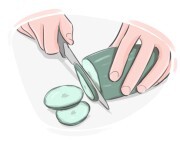
to divide a thing into smaller pieces using a sharp object

cortar
cortar

Ex: They cut the cake into slices to share with everyone .

Ellos cortaron el pastel en rebanadas para compartir con todos.

to teach
to teach
[Verbo]

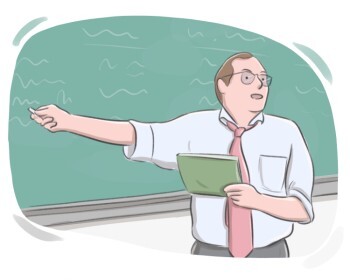
to give lessons to students in a university, college, school, etc.

enseñar
enseñar

Ex: He taught mathematics at the local high school for ten years .

Él enseñó matemáticas en la escuela secundaria local durante diez años.

to stand
to stand
[Verbo]

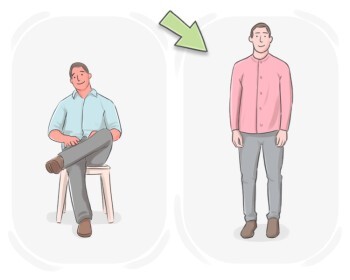
to be upright on one's feet

estar de pie
estar de pie

Ex: I stand here every morning to watch the sunrise .

Me paro aquí cada mañana para ver el amanecer.

to push
to push
[Verbo]

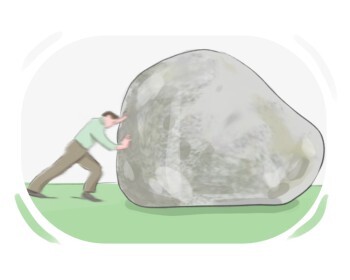
to use your hands, arms, body, etc. in order to make something or someone move forward or away from you

empujar
empujar

Ex: They pushed the heavy box across the room .

Ellos empujaron la caja pesada al otro lado de la habitación.

to miss
to miss
[Verbo]

to not hit or touch what was aimed at

errar, fallar
errar, fallar

Ex: Despite multiple attempts , the marksman consistently missed the elusive target .

A pesar de múltiples intentos, el tirador falló consistentemente en el elusivo objetivo.

to explain
to explain
[Verbo]

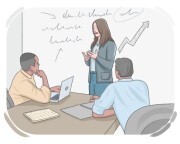
to make something clear and easy to understand by giving more information about it

explicar
explicar

Ex: They explained the process of making a paper airplane step by step .

Ellos explicaron el proceso de hacer un avión de papel paso a paso.

to throw
to throw
[Verbo]

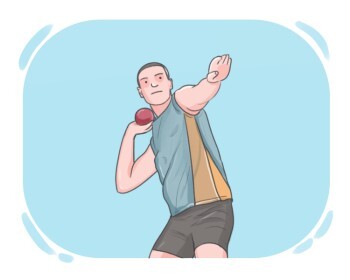
to make something move through the air by quickly moving your arm and hand

tirar

tirar

Ex: The fisherman had to throw the net far into the sea .

El pescador tuvo que lanzar la red lejos en el mar.

to cover
to cover
[Verbo]

to put something over something else in a way that hides or protects it

cubrir, tapar
cubrir, tapar

Ex: The bookshelf was used to cover the hole in the wall until repairs could be made .

La estantería se usó para cubrir el agujero en la pared hasta que se pudieran hacer las reparaciones.

to suppose
to suppose
[Verbo]

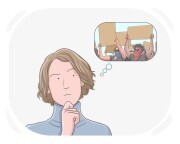
to think or believe that something is possible or true, without being sure

suponer
suponer

Ex: Based on the results , I suppose the theory is correct .

Según los resultados, supongo que la teoría es correcta.

to provide
to provide
[Verbo]

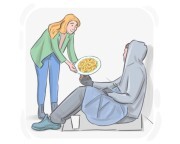
to give someone what is needed or necessary

proporcionar, suministrar
proporcionar, suministrar

Ex: The community center provides after-school programs and activities for children .

El centro comunitario proporciona programas y actividades después de la escuela para los niños.

to increase

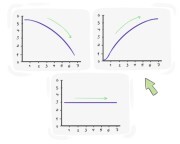
to become larger in amount or size

aumentar,  incrementar

aumentar, incrementar

Ex: During rush hour , traffic congestion tends to increase on the main roads .

Durante la hora pico, la congestión del tráfico tiende a aumentar en las carreteras principales.

LanGeek
Descargar la aplicación LanGeek