
250 verbes à particule anglais les plus courants - Top 51 - 75 Verbes à Particule
Voici la troisième partie de la liste des verbes à particules les plus courants en anglais, tels que "take over", "sign up" et "put out".
Réviser
Flashcards
Orthographe
Quiz

to return to a previous level of success, strength, or popularity after a period of decline or difficulty

to play against someone in a game or contest

affronter
Affrontons les champions en titre et voyons à quel point nous pouvons rivaliser.
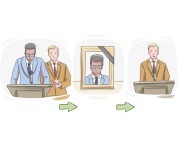
to begin to be in charge of something, often previously managed by someone else
prendre en charge ou prendre le contrôle de quelque chose auparavant géré par quelqu'un d'autre, remplacer quelqu'un à la direction de quelque chose
Le superviseur prend en charge le programme de formation de l'équipe.
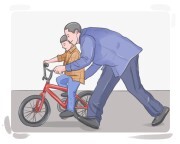
to have faith in someone or something
se fier à quelqu'un ou quelque chose, avoir confiance que quelqu'un ou quelque chose fournira l'aide ou le résultat nécessaire
Il sait qu'il peut compter sur ses collègues pour respecter les délais du projet.
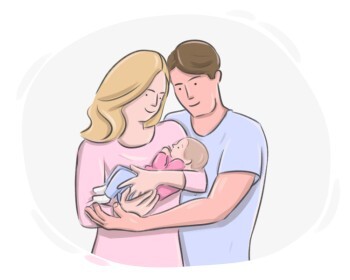
to care for and educate a child until they become an adult
élever, faire grandir
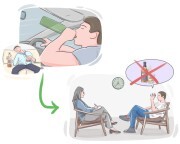
to contact someone to get assistance or help
contacter quelqu'un pour demander de l'aide, solliciter l'aide de quelqu'un
Il a tendu la main à la communauté locale pour trouver des bénévoles afin d'aider à l'événement caritatif.
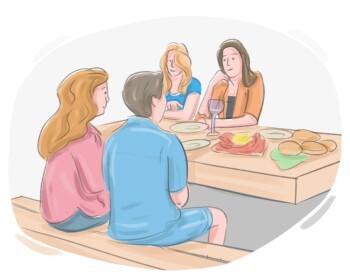
(of people) to form a united group
se rassembler
Malgré leurs différences, l'équipe s'est réunie pour travailler vers un objectif commun.
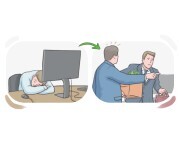
to cause something to occur
entraîner quelque chose, provoquer un résultat particulier
Les fortes pluies peuvent entraîner des inondations dans les zones basses.

to formally agree to work for an organization or employer, often by signing a contract
signer un contrat, s'engager par contrat
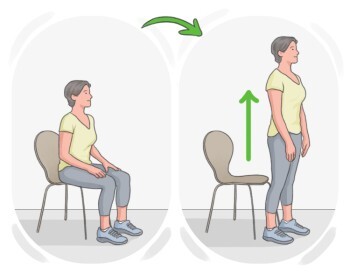
to rise from a sitting or lying position onto one's feet
se lever, se mettre debout
to turn one's head to see what is behind or happening behind
regarder en arrière
Elle s'est retournée pour s'assurer que personne ne la suivait.

to return to a place, state, or condition
rentrer
Il a promis de revenir au bureau après la réunion.
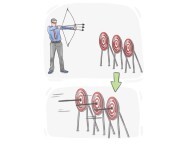
to succeed in passing or enduring a difficult experience or period
s'en sortir
Malgré les difficultés, ils ont surmonté la crise financière en famille.
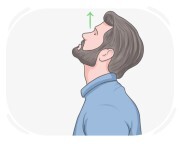
to raise one's eyes from something one is looking at downwards
lever les yeux
Il a levé les yeux de son téléphone plusieurs fois pendant la réunion.

to actively participate in a particular activity, discussion, or process
participer à, s'engager dans une activité ou conversation
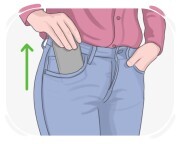
to remove a thing from somewhere or something
retirer, sortir de
Elle a sorti son portefeuille pour payer les courses.
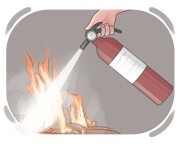
to make something stop burning or shining
éteindre, faire cesser de brûler ou de briller
Elle a accidentellement éteint la bougie en nettoyant.
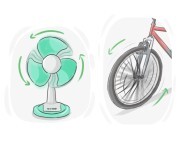
to rotate or spin around an axis or center point
faire un tour de, tourner
La rotation de la Terre fait que la planète tourne, créant le jour et la nuit.
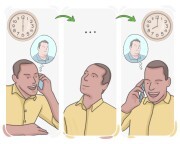
to contact someone again later to provide a response or reply, often after taking time to consider or research the matter
reprendre
Elle a promis de revenir vers son amie concernant leurs projets pour le week-end.
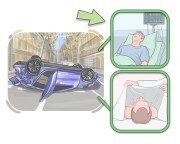
to remain alive
rester en vie, continuer à vivre après une période ou un événement
Le vieil homme a survécu longtemps après que ses médecins aient abandonné tout espoir.
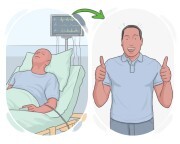
to stay alive or recover after an unpleasant event such as a serious illness
s’en sortir
Après une longue bataille contre la maladie, elle a réussi à s'en sortir plus forte que jamais.
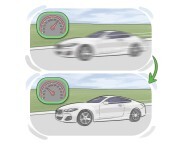
to begin moving, happening, or progressing at a slower speed or rate
réduire sa vitesse de déplacement, se déplacer plus lentement
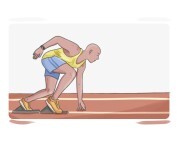
to begin taking the early steps regarding an action, project, or goal
commencer, faire les premiers pas
Il a commencé son parcours de remise en forme en achetant un abonnement à la salle de sport et en planifiant sa première séance d'entraînement.
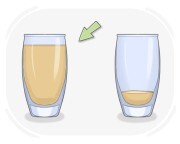
to gradually increase in amount, size, strength, or intensity
s'intensifier, augmenter
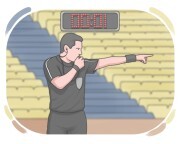
to begin to act, happen, etc. in a particular manner
commencer d'une certaine manière, démarrer quelque chose d'une manière précise
L'atelier a commencé par une introduction aux concepts de base du sujet.
| 250 verbes à particule anglais les plus courants | |||
|---|---|---|---|
| Top 1 - 25 Verbes à Particule | Top 26 - 50 Verbes à Particule | Top 51 - 75 Verbes à Particule | Top 76 - 100 Verbes à Particule |
| Top 101 - 125 Verbes à Particule | Top 126 - 150 Verbes à Particule | Top 151 - 175 Verbes à Particule | Top 176 - 200 Verbes à Particule |
| Top 201 - 225 Verbes à Particule | Top 226 - 250 Verbes à Particule | ||
