pattern

250 Most Common English Phrasal Verbs - Top 51 - 75 Phrasal Verbs

Here you are provided with part 3 of the list of the most common phrasal verbs in English, such as "take over", "sign up", and "put out".

Review

Flashcards

Forms

Spelling

Quiz
Start learning
Most Common Phrasal Verbs in English Vocabulary
to come back

to return to a previous state or condition, often after a period of decline or loss

Ex: After a tough season, the team managed to come back stronger than ever. 
Close
Sign in
to take on

to play against someone in a game or contest
Ex: The team is ready to take on their rivals in the championship match. 
Close
Sign in
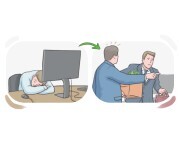
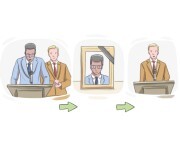
to take over

to begin to be in charge of something, often previously managed by someone else
Ex: He hopes to take over the leadership role and guide the team to success. 
Close
Sign in
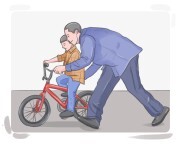
to rely on

to have faith in someone or something
Ex: Parents often rely on teachers to provide a quality education for their children. 
Close
Sign in
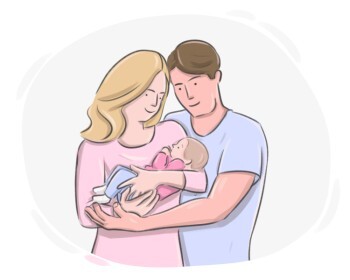
to bring up

to look after a child until they reach maturity
Ex: The grandparents played a significant role in bringing up their grandchildren. 
Close
Sign in
to reach out

to contact someone to get assistance or help
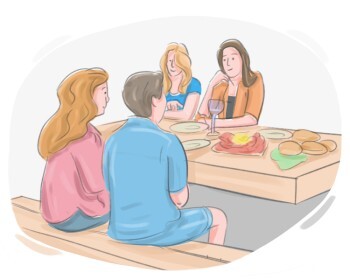
Ex: She urged him to reach out to his family. 
Close
Sign in
to come together

(of people) to form a united group

Ex: The community came together to organize a charity event for a local cause. 
Close
Sign in
to result in

to cause something to occur

Ex: His reckless driving resulted in a serious accident. 
Close
Sign in
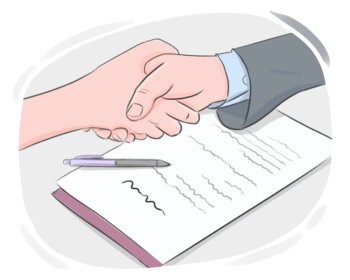
to sign up

to sign a contract agreeing to do a job
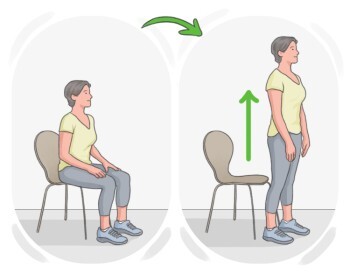
Ex: The freelancer decided to sign up for a year-long contract with the client. 
Close
Sign in
to stand up

to rise to a standing position from a seated or lying position

Ex: She stood up when the speaker entered the room. 
Close
Sign in
to look back

to turn one's head to see what is behind or happening behind

Ex: When I looked back, I saw David walking towards me. 
Close
Sign in
to get back

to return to a place, state, or condition
Ex: After a long vacation, it can be challenging to get back into your regular work routine. 
Close
Sign in
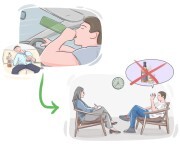
to get through

to succeed in passing or enduring a difficult experience or period
Ex: She managed to get through the tough times after losing her job. 
Close
Sign in
to look up

to raise one's eyes from something one is looking at downwards
Ex: He looks up from his book as I enter the room. 
Close
Sign in
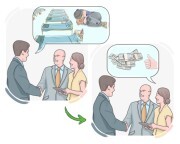
to engage in

to participate in or become involved in a particular activity, conversation, etc.
Ex: The students were encouraged to engage in extracurricular activities to enhance their overall development. 
Close
Sign in
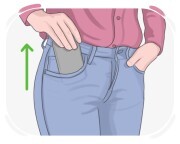
to take out

to remove a thing from somewhere or something
Ex: I will take the books out of the box. 
Close
Sign in
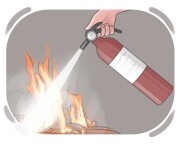
to put out

to make something stop burning or shining
Ex: Please put out the campfire before leaving the site. 
Close
Sign in
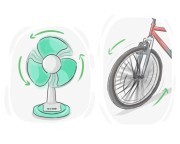
to go around

to rotate or spin around an axis or center point
Ex: The ceiling fan blades go around to circulate air in the room. 
Close
Sign in
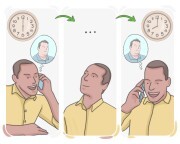
to get back to

to contact someone again later to provide a response or reply, often after taking time to consider or research the matter
Ex: I'll get back to you with the information you requested as soon as I find it. 
Close
Sign in
to live on

to remain alive

Ex: The old woman lived on for many years after her husband passed away. 
Close
Sign in
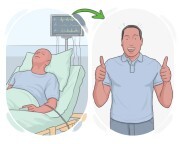
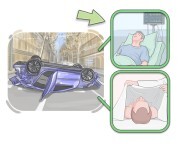
to come through

to stay alive or recover after an unpleasant event such as a serious illness
Ex: Despite the odds, she managed to come through the surgery successfully. 
Close
Sign in
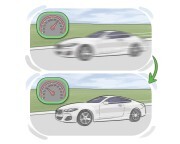
to slow down

to move with a lower speed or rate of movement
Ex: In heavy traffic, it's common for vehicles to slow down and create congestion. 
Close
Sign in
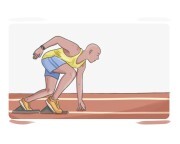
to start out

to begin taking the early steps regarding an action, project, or goal
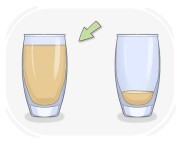
Ex: She started out her painting by sketching the basic outlines on the canvas. 
Close
Sign in
to build up

to become more powerful, intense, or larger in quantity
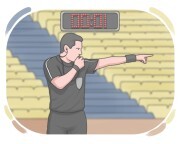
Ex: As the tension builds up, everyone anticipates the final match. 
Close
Sign in
to start off

to begin to act, happen, etc. in a particular manner

Ex: The event started off with an inspiring speech from the keynote speaker. 
Close
Sign in
LanGeek
Download LanGeek app