

pattern

Le livre Headway - Intermédiaire - Unité 1

Ici, vous trouverez le vocabulaire de l'Unité 1 du manuel Headway Pre-Intermediate, comme "voyager", "erreur", "intéressant", etc.
Réviser

Flashcards

formes

Orthographe

Quiz

Commencer à apprendre
Headway - Pre-intermediate
to play
to play
[verbe]

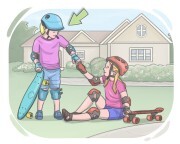
to take part in a game or activity for fun

jouer

jouer

Ex: A group of kids were playing tag in the park. 

ice hockey

a game played on ice by two teams of 6 skaters who try to hit a hard rubber disc (a puck) into the other team’s goal, using long sticks

hockey sur glace, hockey

hockey sur glace, hockey

Ex: He loves watching ice hockey games during the winter season. 
to go
to go
[verbe]

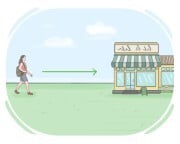
to travel or move from one location to another

aller

aller

Ex: He went into the kitchen to prepare dinner for the family. 
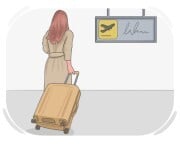
traveling

the activity or act of going from one place to another, particularly over a long distance

voyages

voyages

Ex: Traveling by train is a relaxing way to see the countryside. 
to do
to do
[verbe]

to perform an action that is not mentioned by name

faire

faire

Ex: What are you doing tomorrow? 
homework

schoolwork that students have to do at home

devoirs

devoirs

Ex: I always double-check my homework to ensure it is accurate. 
to make
to make
[verbe]

to form, produce, or prepare something, by putting parts together or by combining materials

faire, fabriquer

faire, fabriquer

Ex: The students will make a model of the solar system for the science fair. 
mistake
mistake
[nom]

an act or opinion that is wrong

erreur

erreur

Ex: Recognizing and admitting your mistakes is the first step toward personal growth. 
to speak
to speak
[verbe]

to use one's voice to express a particular feeling or thought

parler

parler

Ex: He spoke about his experiences during the meeting. 
language

the system of communication by spoken or written words, that the people of a particular country or region use

langue

langue

Ex: He wants to become bilingual and speak multiple languages fluently. 
to say
to say
[verbe]

to use words and our voice to show what we are thinking or feeling

dire

dire

Ex: He was saying that he wanted to quit his job and travel the world. 
to teach
to teach
[verbe]

to give lessons to students in a university, college, school, etc.

enseigner

enseigner

Ex: She teaches yoga to promote health and well-being. 
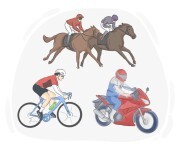
to ride
to ride
[verbe]

to sit on open-spaced vehicles like motorcycles or bicycles and be in control of their movements

conduire, rouler

conduire, rouler

Ex: She rides her bike to work every day. 
to learn
to learn
[verbe]

to become knowledgeable or skilled in something by doing it, studying, or being taught

apprendre

apprendre

Ex: He learned valuable negotiation skills by watching experienced negotiators in action 
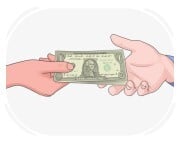
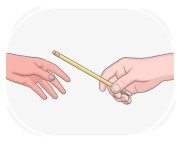
to lend
to lend
[verbe]

to give someone something, like money, expecting them to give it back after a while

prêter

prêter

Ex: She agreed to lend her friend some money until the next payday. 
to borrow
to borrow
[verbe]

to use or take something belonging to someone else, with the idea of returning it

emprunter

emprunter

Ex: Can I borrow your umbrella? It's raining outside, and I left mine at home. 
important
important
[Adjectif]

having a lot of value

important

important

Ex: Conserving water is important for the sustainable use of natural resources. 
delicious
delicious
[Adjectif]

having a very pleasant flavor

délicieux, délicieuse

délicieux, délicieuse

Ex: For me, the most delicious food always involves cheese. 
high
high
[Adjectif]

having a relatively great vertical extent

haut, élevé

haut, élevé

Ex: The high mountain peaks were covered in snow. 
long
long
[Adjectif]

(of two points) having an above-average distance between them

long, longue

long, longue

Ex: The necklace she wore had a long chain adorned with intricate charms. 
heavy
heavy
[Adjectif]

having a lot of weight and not easy to move or pick up

lourd

lourd

Ex: He felt the weight of the heavy burden on his shoulders. 
busy
busy
[Adjectif]

having so many things to do in a way that leaves not much free time

occupé

occupé

Ex: As a student, Jenny is always busy with assignments, exams, and extracurricular activities. 
to
to
[préposition]

used to say where someone or something goes

à

à

Ex: He rode his bicycle to the store to buy some groceries. 
from
from
[préposition]

used for showing the place where a person or thing comes from

de, à partir de

de, à partir de

Ex: I received a letter from my cousin in Australia. 
at
at
[préposition]

used to show a particular place or position

à

à

Ex: I saw him at the grocery store. 
about
about
[préposition]

used to express the matters that relate to a specific person or thing

sur

sur

Ex: I read an interesting article about health and fitness. 
of
of
[préposition]

used when stating one's opinion about someone or something

de

de

Ex: In my opinion, the success of the project is a result of teamwork and dedication. 
on
on
[préposition]

in contact with and upheld by a surface

sur

sur

Ex: If you are cold the blanket is on the bed. 
in
in
[préposition]

used to show that something exists or happens inside a space or area

en, dans

en, dans

Ex: They live in a big house. 
with
with
[préposition]

used when two or more things or people are together in a single place

avec

avec

Ex: I went to the park with my friends. 
for
for
[préposition]

used to indicate who is supposed to have or use something or where something is intended to be put

pour

pour

Ex: I bought a ticket for the concert this evening. 
left
left
[Adjectif]

located or directed toward the side of a human body where the heart is

gauche

gauche

Ex: Placing his hand over his heart, he proudly wore the badge on the left side of his chest. 
to leave
to leave
[verbe]

to go away from somewhere

partir

partir

Ex: She left her friends at the party without any goodbye. 
kind
kind
[nom]

a group of people or things that have similar characteristics or share particular qualities

sorte

sorte

Ex: At the museum, you can explore artifacts and relics from different historical kinds. 
kind
kind
[Adjectif]

nice and caring toward other people's feelings

gentil, gentille

gentil, gentille

Ex: It's a kind gesture to write thank you notes after receiving gifts. 
train
train
[nom]

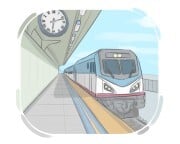
a series of connected carriages that travel on a railroad, often pulled by a locomotive

train

train

Ex: I always enjoy listening to music while traveling on the train. 
to train
to train
[verbe]

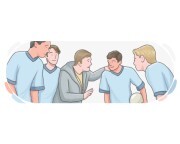
to teach a specific skill or a type of behavior to a person or an animal through a combination of instruction and practice over a period of time

former, entraîner

former, entraîner

Ex: The coach regularly trains the team on new strategies for the game 
to mean
to mean
[verbe]

to have a particular meaning or represent something

signifier, vouloir dire

signifier, vouloir dire

Ex: His silence meant that he was not interested in the conversation. 
interested
interested
[Adjectif]

having a feeling of curiosity or attention toward a particular thing or person because one likes them

intéressé

intéressé

Ex: She was genuinely interested in learning French. 
interesting
interesting
[Adjectif]

catching and keeping our attention because of being unusual, exciting, etc.

intéressant

intéressant

Ex: I read an interesting article about space exploration in the newspaper. 
excited
excited
[Adjectif]

feeling very happy, interested, and energetic

agité, excité

agité, excité

Ex: He was excited to start his new job. 
exciting
exciting
[Adjectif]

making us feel interested, happy, and energetic

passionnant

passionnant

Ex: It was exciting to see dolphins while we were on the boat. 
surprised
surprised
[Adjectif]

feeling or showing shock or amazement

surpris

surpris

Ex: She looked surprised when they threw her a birthday party. 
surprising
surprising
[Adjectif]

causing a feeling of shock, disbelief, or wonder

surprenant, étonnant

surprenant, étonnant

Ex: His sudden decision to quit his job was quite surprising. 
bored
bored
[Adjectif]

tired and unhappy because there is nothing to do or because we are no longer interested in something

qui s’ennuie

qui s’ennuie

Ex: He's bored because he has nothing to do at home. 
boring
boring
[Adjectif]

making us feel tired and unsatisfied because of not being interesting

ennuyeux

ennuyeux

Ex: She finds doing the laundry a boring task. 
embarrassed
embarrassed
[Adjectif]

feeling ashamed and uncomfortable because of something that happened or was said

embarrassé

embarrassé

Ex: She felt embarrassed when she realized she had mispronounced the word. 
embarrassing
embarrassing
[Adjectif]

causing a person to feel ashamed or uneasy

embarrassant, gênant

embarrassant, gênant

Ex: His embarrassing slip on the banana peel in front of everyone made him blush with embarrassment. 
LanGeek
Télécharger l'application LanGeek