


书籍 Headway - 中级 - 单元1

在这里,您将找到Headway Pre-Intermediate课本第1单元的词汇,如“旅行”、“错误”、“有趣”等。

review-disable

审查

flashcard-disable

闪卡

spelling-disable

拼写

quiz-disable

测验

开始学习
书籍 Headway - 中级
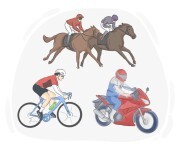
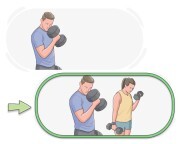
to play [动词]

to take part in a game or activity for fun

اجرا کردن

Ex: A group of kids were playing tag in the park .

一群孩子在公园里捉人游戏。

ice hockey [名词]

a game played on ice by two teams of 6 skaters who try to hit a hard rubber disc (a puck) into the other team’s goal, using long sticks

اجرا کردن

冰球

Ex: He loves watching ice hockey games during the winter season .

他喜欢在冬季观看冰球比赛。

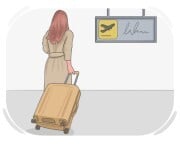
to go [动词]

to travel or move from one location to another

اجرا کردن

Ex: He went into the kitchen to prepare dinner for the family.

厨房为家人准备晚餐。

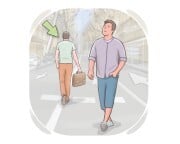
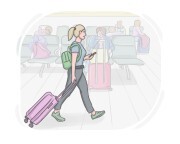
traveling [名词]

the activity or act of going from one place to another, particularly over a long distance

اجرا کردن

旅行

Ex: Traveling by train is a relaxing way to see the countryside.

乘火车旅行是一种放松的观赏乡村的方式。

to do [动词]

to perform an action that is not mentioned by name

اجرا کردن

Ex: What are you doing tomorrow ?

你明天什么?

homework [名词]

schoolwork that students have to do at home

اجرا کردن

家庭作业

Ex: I always double-check my homework to ensure it is accurate .

我总是反复检查我的作业以确保它是准确的。

to make [动词]

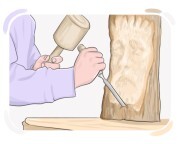
to form, produce, or prepare something, by putting parts together or by combining materials

اجرا کردن

制作

Ex: The students will make a model of the solar system for the science fair .

学生们将为科学展览制作一个太阳系模型。

mistake [名词]

an act or opinion that is wrong

اجرا کردن

错误

Ex: Recognizing and admitting your mistakes is the first step toward personal growth .

认识和承认你的错误是个人成长的第一步。

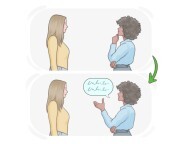
to speak [动词]

to use one's voice to express a particular feeling or thought

اجرا کردن

Ex: He spoke about his experiences during the meeting .

他在会议期间讲述了他的经历。

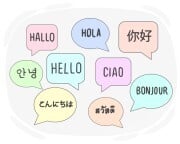
language [名词]

the system of communication by spoken or written words, that the people of a particular country or region use

اجرا کردن

语言

Ex: He wants to become bilingual and speak multiple languages fluently .

他想成为双语者并流利地说多种语言

to say [动词]

to use words and our voice to show what we are thinking or feeling

اجرا کردن

Ex: He was saying that he wanted to quit his job and travel the world .

他想辞掉工作去环游世界。

to teach [动词]

to give lessons to students in a university, college, school, etc.

اجرا کردن

Ex: She teaches yoga to promote health and well-being .

教授瑜伽以促进健康和幸福。

to ride [动词]

to sit on open-spaced vehicles like motorcycles or bicycles and be in control of their movements

اجرا کردن

Ex: She rides her bike to work every day .

她每天自行车去上班。

to learn [动词]

to become knowledgeable or skilled in something by doing it, studying, or being taught

اجرا کردن

学习

Ex: He learned valuable negotiation skills by watching experienced negotiators in action

他通过观察经验丰富的谈判者的行动学习了宝贵的谈判技巧。

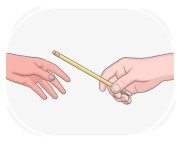
to lend [动词]

to give someone something, like money, expecting them to give it back after a while

اجرا کردن

借出

Ex: She agreed to lend her friend some money until the next payday .

她同意在下一个发薪日之前借给她的朋友一些钱。

to borrow [动词]

to use or take something belonging to someone else, with the idea of returning it

اجرا کردن

Ex: Can I borrow your umbrella ?

我可以你的伞吗?外面在下雨,我把我的伞忘在家里了。

important [形容词]

having a lot of value

اجرا کردن

重要的

Ex: Conserving water is important for the sustainable use of natural resources .

节约用水对于自然资源的可持续利用重要

delicious [形容词]

having a very pleasant flavor

اجرا کردن

美味的

Ex: For me , the most delicious food always involves cheese .

对我来说,最美味的食物总是包含奶酪。

high [形容词]

having a relatively great vertical extent

اجرا کردن

Ex: The high mountain peaks were covered in snow .

高耸的山峰被雪覆盖着。

long [形容词]

(of two points) having an above-average distance between them

اجرا کردن

长的

Ex: The necklace she wore had a long chain adorned with intricate charms.

她戴的项链有一条链子,上面装饰着复杂的饰物。

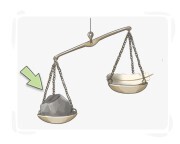
heavy [形容词]

having a lot of weight and not easy to move or pick up

اجرا کردن

重的

Ex: He felt the weight of the heavy burden on his shoulders .

他感受到了肩上沉重负担的重量。

busy [形容词]

having so many things to do in a way that leaves not much free time

اجرا کردن

忙碌的

Ex: As a student , Jenny is always busy with assignments , exams , and extracurricular activities .

作为一名学生,珍妮总是忙于作业、考试和课外活动。

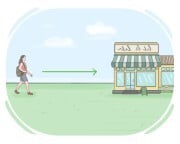
to [介词]

used to say where someone or something goes

اجرا کردن

Ex: He rode his bicycle to the store to buy some groceries .

他骑自行车商店买了一些杂货。

from [介词]

used for showing the place where a person or thing comes from

اجرا کردن

Ex: I received a letter from my cousin in Australia .

我收到了来自澳大利亚表兄的一封信。

at [介词]

used to show a particular place or position

اجرا کردن

Ex: I saw him at the grocery store .

我在杂货店看到了他。

about [介词]

used to express the matters that relate to a specific person or thing

اجرا کردن

关于,有关

Ex: I read an interesting article about health and fitness .

我读了一篇关于健康和健身的有趣文章。

of [介词]

used when stating one's opinion about someone or something

اجرا کردن

Ex: In my opinion , the success of the project is a result of teamwork and dedication .

在我看来,项目的成功是团队合作和奉献的结果**。

on [介词]

in contact with and upheld by a surface

اجرا کردن

在...上

Ex: If you are cold the blanket is on the bed .

如果你冷,毯子在床

in [介词]

used to show that something exists or happens inside a space or area

اجرا کردن

Ex: They live in a big house.

他们住一个大房子里。

with [介词]

used when two or more things or people are together in a single place

اجرا کردن

Ex: I went to the park with my friends .

我和我的朋友一起去了公园。

for [介词]

used to indicate who is supposed to have or use something or where something is intended to be put

اجرا کردن

Ex: I bought a ticket for the concert this evening .

我买了一张今晚音乐会的票。

left [形容词]

located or directed toward the side of a human body where the heart is

اجرا کردن

Ex: Placing his hand over his heart , he proudly wore the badge on the left side of his chest .

他将手放在心脏上,自豪地将徽章戴在胸部的侧。

to leave [动词]

to go away from somewhere

اجرا کردن

离开

Ex: She left her friends at the party without any goodbye .

她没有说再见就离开了派对上的朋友。

kind [名词]

a group of people or things that have similar characteristics or share particular qualities

اجرا کردن

种类

Ex: At the museum , you can explore artifacts and relics from different historical kinds .

在博物馆里,您可以探索来自不同历史种类的文物和遗迹。

kind [形容词]

nice and caring toward other people's feelings

اجرا کردن

善良的

Ex: It 's a kind gesture to write thank you notes after receiving gifts .

收到礼物后写感谢信是一种友善的举动。

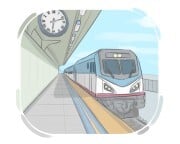
train [名词]

a series of connected carriages that travel on a railroad, often pulled by a locomotive

اجرا کردن

火车

Ex: I always enjoy listening to music while traveling on the train .

我总是喜欢在乘火车旅行时听音乐。

to train [动词]

to teach a specific skill or a type of behavior to a person or an animal through a combination of instruction and practice over a period of time

اجرا کردن

训练

Ex: The coach regularly trains the team on new strategies for the game

教练定期训练团队关于游戏的新策略。

to mean [动词]

to have a particular meaning or represent something

اجرا کردن

意思是

Ex: His silence meant that he was not interested in the conversation .

他的沉默意味着他对谈话不感兴趣。

interested [形容词]

having a feeling of curiosity or attention toward a particular thing or person because one likes them

اجرا کردن

感兴趣的

Ex: She was genuinely interested in learning French .

她对学习法语真的很感兴趣

interesting [形容词]

catching and keeping our attention because of being unusual, exciting, etc.

اجرا کردن

有趣的

Ex: I read an interesting article about space exploration in the newspaper .

我在报纸上读到了一篇关于太空探索的有趣文章。

excited [形容词]

feeling very happy, interested, and energetic

اجرا کردن

兴奋的,激动的

Ex: He was excited to start his new job .

他对开始新工作感到兴奋

exciting [形容词]

making us feel interested, happy, and energetic

اجرا کردن

令人兴奋的

Ex: It was exciting to see dolphins while we were on the boat .

在船上看到海豚是令人兴奋的

surprised [形容词]

feeling or showing shock or amazement

اجرا کردن

惊讶的

Ex: She looked surprised when they threw her a birthday party .

当他们为她举办生日派对时,她看起来很惊讶

surprising [形容词]

causing a feeling of shock, disbelief, or wonder

اجرا کردن

令人惊讶的

Ex: His sudden decision to quit his job was quite surprising .

他突然决定辞职相当令人惊讶

bored [形容词]

tired and unhappy because there is nothing to do or because we are no longer interested in something

اجرا کردن

无聊

Ex: He 's bored because he has nothing to do at home .

他很无聊,因为他在家里无事可做。

boring [形容词]

making us feel tired and unsatisfied because of not being interesting

اجرا کردن

无聊的

Ex: She finds doing the laundry a boring task .

她觉得洗衣服是一件无聊的任务。

embarrassed [形容词]

feeling ashamed and uncomfortable because of something that happened or was said

اجرا کردن

尴尬的

Ex: She felt embarrassed when she realized she had mispronounced the word .

当她意识到自己念错了这个词时,她感到尴尬

embarrassing [形容词]

causing a person to feel ashamed or uneasy

اجرا کردن

尴尬的

Ex: His embarrassing slip on the banana peel in front of everyone made him blush with embarrassment .

他在众人面前在香蕉皮上尴尬滑倒,让他羞愧得脸红了。