pattern

Le livre Interchange - Intermédiaire Supérieur - Unité 3

Ici, vous trouverez le vocabulaire de l'Unité 3 du manuel Interchange Upper-Intermediate, tel que « influence », « bring up », « confront », etc.

Réviser

Flashcards

formes

Orthographe

Quiz

Commencer à apprendre
Interchange - Upper-intermediate
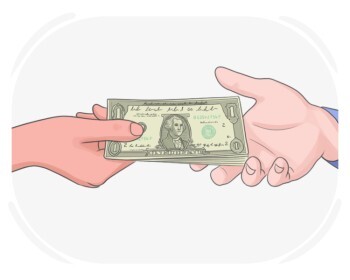
to lend
to lend
[verbe]

to give something to someone temporarily, expecting them to return it later

prêter
prêter

Ex: Emma lent Daniel her car for the weekend. 
to favor
to favor
[verbe]

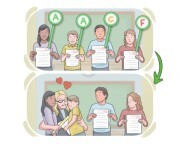
to prefer someone or something to an alternative

préférer
préférer

Ex: She favors the blue dress over the red one for the party. 
to babysit
to babysit
[verbe]

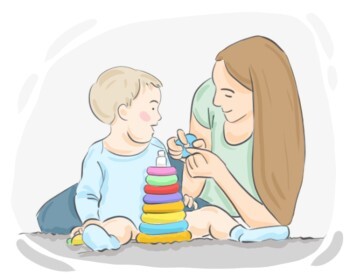
to take care of a child or children while their parents are away

garder les enfants, faire du baby-sitting

garder les enfants, faire du baby-sitting

Ex: Can you babysit for us while we go out for dinner? 

Pouvez-vous garder les enfants pour nous pendant que nous sortons dîner ?
niece
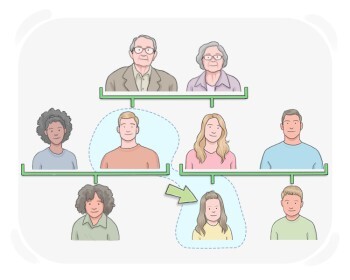
niece
[nom]

our sister or brother's daughter, or the daughter of our husband or wife's siblings

nièce

nièce

Ex: Her niece is the only granddaughter in the family and is treated like a princess. 

Sa nièce est la seule petite-fille de la famille et est traitée comme une princesse.
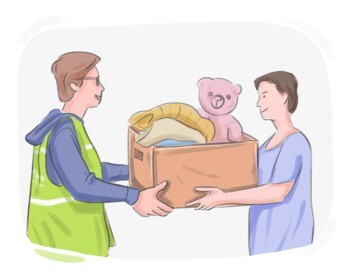
to donate
to donate
[verbe]

to freely give goods, money, or food to someone or an organization

donner [qch] pour, faire un don de

donner [qch] pour, faire un don de

Ex: The company decided to donate a portion of its profits to support environmental causes. 

L'entreprise a décidé de donner une partie de ses bénéfices pour soutenir des causes environnementales.

charity
charity
[nom]

an organization that helps those in need by giving them money, food, etc.

charité

charité

Ex: She donated a large sum to the charity that provides clean water to communities. 
to co-sign
to co-sign
[verbe]

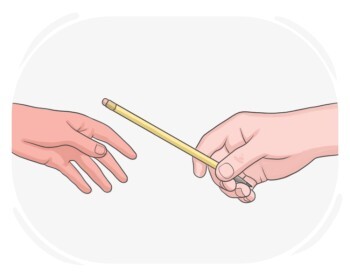
to sign a document in addition to another person's signature to guarantee a loan or financial obligation

cosigner, se porter garant
cosigner, se porter garant

Ex: Banks often require a parent to co-sign for a minor's credit card. 
to borrow
to borrow
[verbe]

to use or take something belonging to someone else, with the idea of returning it

emprunter

emprunter

Ex: The company decided to borrow funds from the bank to finance the expansion project. 
to suppose
to suppose
[verbe]

to think or believe that something is possible or true, without being sure

supposer

supposer

Ex: Given the weather forecast, I suppose it will rain later today. 
apology
apology
[nom]

something that a person says or writes that shows they regret what they did to someone

excuse, regret

excuse, regret

Ex: His heartfelt apology helped mend their broken relationship. 
invitation

a spoken or written request asking someone to attend an event, go somewhere, or take part in something

invitation

invitation

Ex: Thank you for the invitation to dinner on Saturday. 
gift
gift
[nom]

something that we give to someone because we like them, especially on a special occasion, or to say thank you

cadeau

cadeau

Ex: He was delighted with the surprise gift from his friends. 
phone call

the act of speaking to someone or trying to reach them on the phone

appel, appel téléphonique

appel, appel téléphonique

Ex: The phone call lasted over an hour as we caught up on each other's lives. 

L'appel téléphonique a duré plus d'une heure alors que nous nous racontions nos vies.
to accept
to accept
[verbe]

to say yes to what is asked of you or offered to you

accepter

accepter

Ex: He accepted the terms and conditions of the agreement. 
impossible
impossible
[Adjectif]

not able to occur, exist, or be done

impossible

impossible

Ex: Even for the fastest runner, beating a cheetah in a race would be impossible. 
especially
especially
[Adverbe]

used for showing that what you are saying is more closely related to a specific thing or person than others

spécialement

spécialement

Ex: The team performed well, especially in the crucial final moments of the game. 

L'équipe a bien performé, surtout dans les moments cruciaux de la fin du jeu.
to bring up

to mention a particular subject

soulever

soulever

Ex: She brought up an interesting fact from earlier in the lecture. 

Elle a mentionné un fait intéressant plus tôt dans la conférence.

to hang out

to spend much time in a specific place or with someone particular

passer du temps, passer beaucoup de temps avec quelqu'un ou quelque part

passer du temps, passer beaucoup de temps avec quelqu'un ou quelque part

Ex: I like to hang out with my friends at the local coffee shop. 

J'aime traîner avec mes amis au café local.
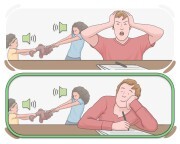
to stand
to stand
[verbe]

to be willing to accept or tolerate a difficult situation

supporter
supporter

Ex: He found a way to stand the pressure and meet the project deadline. 
to influence

to have an effect on a particular person or thing

influencer

influencer

Ex: Cultural factors can influence the way individuals perceive and respond to certain situations. 
matter
matter
[nom]

a situation or subject that needs to be dealt with or considered

question

question

Ex: The disagreement between the two parties became a legal matter that required resolution in court. 
to confront

to face or approach someone directly, especially in an angry, challenging, or threatening way

s'affronter, confronter, défier, faire face à

s'affronter, confronter, défier, faire face à

Ex: Daniel finally confronted his neighbor about the constant noise. 
to avoid
to avoid
[verbe]

to intentionally stay away from or refuse contact with someone

éviter

éviter

Ex: She avoided her neighbors after their recent argument. 
topic
topic
[nom]

a matter that is dealt with in a conversation, text, or study

sujet
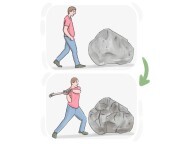
sujet

Ex: She chose an interesting topic for her research paper on climate change. 
to handle
to handle
[verbe]

to deal with a situation or problem successfully

gérer, traiter
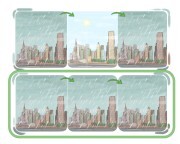
gérer, traiter

Ex: She always handles customer complaints diplomatically. 
constantly
constantly
[Adverbe]

in a way that continues without any pause

constamment, continuellement

constamment, continuellement

Ex: He was constantly striving to improve his skills. 

Il s'efforçait constamment d'améliorer ses compétences.
afraid
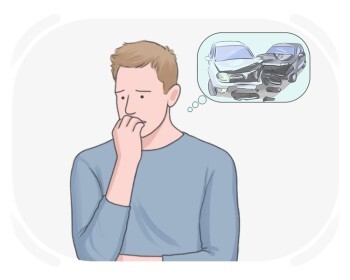
afraid
[Adjectif]

worried about a possible danger, difficulty, or problem

inquiet, inquiète

inquiet, inquiète

Ex: He felt afraid for the children left alone at home. 

Il avait peur pour les enfants laissés seuls à la maison.
to request
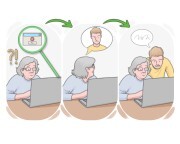
to request
[verbe]

to ask for something politely or formally

demander, solliciter
demander, solliciter

Ex: The customer called to request a refund for the defective product they had purchased. 
compliment

a comment on a person's looks, behavior, achievements, etc. that expresses one's admiration or praise for them

compliment

compliment

Ex: She blushed at the compliment about her singing voice. 

Elle a rougi sous le compliment sur sa voix chantée.
to decline
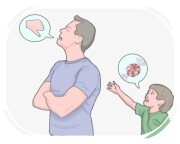
to decline
[verbe]

to reject an offer, request, or invitation

refuser, décliner

refuser, décliner

Ex: The manager declined the suggestion during the meeting. 
to receive
to receive
[verbe]

to be given something or to accept something that is sent

recevoir

recevoir

Ex: She was happy to receive a surprise gift on her birthday. 
to offer
to offer
[verbe]

to present or propose something to someone

proposer, offrir

proposer, offrir

Ex: The company decided to offer a special discount to loyal customers. 
LanGeek
Télécharger l'application LanGeek