pattern

Kniha Interchange - Vyšší středně pokročilý - Jednotka 3

Zde najdete slovní zásobu z jednotky 3 v učebnici Interchange Upper-Intermediate, jako je "influence", "bring up", "confront" atd.

Revize

Kartičky

tvary

Pravopis

Kvíz

Začněte se učit
Interchange - Upper-intermediate
to lend
to lend
[sloveso]

to give something to someone temporarily, expecting them to return it later

půjčovat,  půjčit
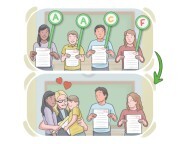
půjčovat, půjčit

Ex: The library lends books to local residents. 
to favor
to favor
[sloveso]

to prefer someone or something to an alternative

upřednostňovat, favorizovat
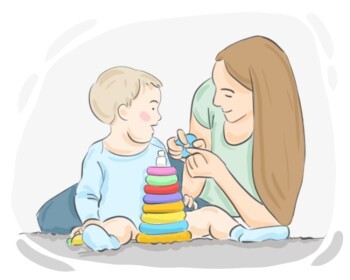
upřednostňovat, favorizovat

Ex: I favor spending my weekends in nature rather than in the city. 
to babysit
to babysit
[sloveso]

to take care of a child or children while their parents are away

hlídat děti, dělat chůvu

hlídat děti, dělat chůvu

Ex: She loves to babysit because she enjoys playing with children. 

Miluje hlídání dětí, protože si ráda hraje s dětmi.
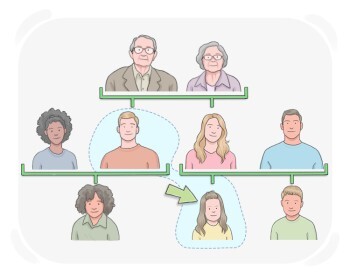
niece
niece
[Podstatné jméno]

our sister or brother's daughter, or the daughter of our husband or wife's siblings

neteř, dcera našeho bratra nebo sestry

neteř, dcera našeho bratra nebo sestry

Ex: She and her niece enjoy gardening and planting flowers in the backyard. 

Ona a její neteř si užívají zahradničení a sázení květin na dvorku.
to donate
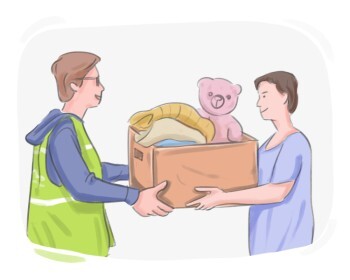
to donate
[sloveso]

to freely give goods, money, or food to someone or an organization

darovat, přispět

darovat, přispět

Ex: The community raised funds to donate to a family in need during challenging times. 

Komunita shromáždila prostředky na darování rodině v nouzi během náročných časů.

charity
charity
[Podstatné jméno]

an organization that helps those in need by giving them money, food, etc.

dobročinnost, dobročinná organizace

dobročinnost, dobročinná organizace

Ex: The charity organized a fundraiser to support homeless shelters. 
to co-sign
to co-sign
[sloveso]

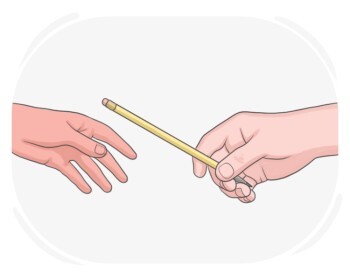
to sign a document in addition to another person's signature to guarantee a loan or financial obligation

spolupodepsat, podepsat jako ručitel
spolupodepsat, podepsat jako ručitel

Ex: She co-signed the lease to support her roommate. 
to borrow
to borrow
[sloveso]

to use or take something belonging to someone else, with the idea of returning it

půjčit si, vypůjčit si

půjčit si, vypůjčit si

Ex: Can I borrow your umbrella?  It's raining outside, and I left mine at home. 
to suppose
to suppose
[sloveso]

to think or believe that something is possible or true, without being sure

předpokládat, domnívat se

předpokládat, domnívat se

Ex: I suppose she'll be at the meeting since she confirmed her attendance earlier. 
apology
apology
[Podstatné jméno]

something that a person says or writes that shows they regret what they did to someone

omluva, lítost

omluva, lítost

Ex: She sent an apology to her friend for missing the birthday party. 
invitation
invitation
[Podstatné jméno]

a spoken or written request asking someone to attend an event, go somewhere, or take part in something

pozvánka,  pozvání

pozvánka, pozvání

Ex: I haven't received an invitation to the party yet. 
gift
gift
[Podstatné jméno]

something that we give to someone because we like them, especially on a special occasion, or to say thank you

dárek, dar

dárek, dar

Ex: He put the gift under the Christmas tree. 
phone call
phone call
[Podstatné jméno]

the act of speaking to someone or trying to reach them on the phone

telefonní hovor

telefonní hovor

Ex: During the meeting, she stepped out to take an important phone call regarding a job opportunity. 

Během schůzky vyšla ven, aby přijala důležitý telefonní hovor ohledně pracovní příležitosti.
to accept
to accept
[sloveso]

to say yes to what is asked of you or offered to you

přijmout, souhlasit

přijmout, souhlasit

Ex: He accepted the responsibility of caring for the dog. 
impossible
impossible
[Přídavné jméno]

not able to occur, exist, or be done

nemožný, nerealizovatelný

nemožný, nerealizovatelný

Ex: Despite all his efforts, he found it impossible to forget his past. 
especially
especially
[Příslovce]

used for showing that what you are saying is more closely related to a specific thing or person than others

zejména, zvláště

zejména, zvláště

Ex: He values honesty in relationships, especially during challenging times. 

Cení si upřímnosti ve vztazích, zejména během náročných období.
to bring up
to bring up
[sloveso]

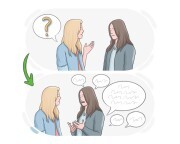
to mention a particular subject

zmínit, vznést

zmínit, vznést

Ex: Could you bring up your concerns at the next meeting? 

Mohl byste zmínit své obavy na příští schůzce?

to hang out
to hang out
[sloveso]

to spend much time in a specific place or with someone particular

trávit čas, často pobývat s někým nebo někde

trávit čas, často pobývat s někým nebo někde

Ex: Do you want to hang out after school and grab a bite to eat? 

Chceš po škole zůstat a něco sníst?

to stand
to stand
[sloveso]

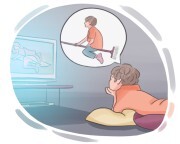
to be willing to accept or tolerate a difficult situation

snášet, tolerovat
snášet, tolerovat

Ex: She couldn't stand the constant noise from the construction site next door. 
to influence
to influence
[sloveso]

to have an effect on a particular person or thing

ovlivňovat, mít vliv na

ovlivňovat, mít vliv na

Ex: The mentor's guidance greatly influenced the professional development of the young entrepreneur. 
matter
matter
[Podstatné jméno]

a situation or subject that needs to be dealt with or considered

věc, otázka

věc, otázka

Ex: Climate change is a pressing matter that requires immediate attention from global leaders. 
to confront
to confront
[sloveso]

to face or approach someone directly, especially in an angry, challenging, or threatening way

konfrontovat,  čelit

konfrontovat, čelit

Ex: He angrily confronted the person who had accused him. 
to avoid
to avoid
[sloveso]

to intentionally stay away from or refuse contact with someone

vyhnout se, vyhýbat se

vyhnout se, vyhýbat se

Ex: To prevent a confrontation, he tried to avoid his ex-girlfriend at the party. 
topic
topic
[Podstatné jméno]

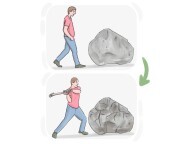
a matter that is dealt with in a conversation, text, or study

téma
téma

Ex: The professor introduced the main topic of today's lecture: cultural anthropology. 
to handle
to handle
[sloveso]

to deal with a situation or problem successfully

zvládnout, řešit

zvládnout, řešit

Ex: The experienced manager handles challenging projects with ease. 
constantly
constantly
[Příslovce]

in a way that continues without any pause

neustále,  nepřetržitě

neustále, nepřetržitě

Ex: The street was constantly busy with pedestrians and traffic. 

Ulice byla neustále plná chodců a dopravy.
afraid
afraid
[Přídavné jméno]

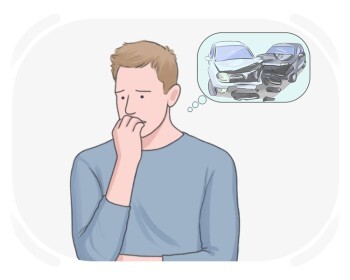
worried about a possible danger, difficulty, or problem

vystrašený, znepokojený

vystrašený, znepokojený

Ex: They were afraid for the future of the project. 

Měli strach o budoucnost projektu.

to request
to request
[sloveso]

to ask for something politely or formally

žádat, požadovat
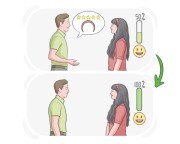
žádat, požadovat

Ex: He requested that the committee consider his proposal for the new project. 
compliment
compliment
[Podstatné jméno]

a comment on a person's looks, behavior, achievements, etc. that expresses one's admiration or praise for them

poklona, pochvala

poklona, pochvala

Ex: The teacher gave a compliment to the student for their excellent work. 

Učitel dal žákovi poklonu za jejich vynikající práci.
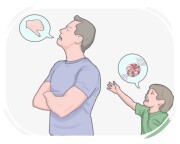
to decline
to decline
[sloveso]

to reject an offer, request, or invitation

odmítnout, odříci

odmítnout, odříci

Ex: She had to decline the job offer because it required relocating to a different city. 
to receive
to receive
[sloveso]

to be given something or to accept something that is sent

přijímat, obdržet

přijímat, obdržet

Ex: She received a package in the mail. 
to offer
to offer
[sloveso]

to present or propose something to someone

nabídnout, navrhnout

nabídnout, navrhnout

Ex: She kindly offered her assistance to anyone in need. 
LanGeek
Stáhnout aplikaci LanGeek