

pattern

Le livre Interchange - Débutant - Unité 4 - Partie 2

Ici, vous trouverez le vocabulaire de l'Unité 4 - Partie 2 du manuel Interchange Beginner, comme "porter", "problème", "saison", etc.

Réviser

Flashcards

formes

Orthographe

Quiz

Commencer à apprendre
Interchange - Beginner
green
green
[Adjectif]

having the color of fresh grass or most plant leaves

vert

vert

Ex: The salad bowl was full with fresh , crisp green vegetables .

Le bol à salade était rempli de légumes frais et croquants de couleur verte.

blue
blue
[Adjectif]

having the color of the ocean or clear sky at daytime

bleu

bleu

Ex: They wore blue jeans to the party.

Ils portaient des jeans bleus à la fête.

dry
dry
[Adjectif]

lacking moisture or liquid

sec, sèche

sec, sèche

Ex: After the rain stopped , the pavement quickly became dry under the heat .

Après que la pluie se soit arrêtée, le trottoir est rapidement devenu sec sous la chaleur.

new
new
[Adjectif]

recently invented, made, etc.

nouveau, nouvelle, nouvel

nouveau, nouvelle, nouvel

Ex: A new energy-efficient washing machine was introduced to reduce household energy consumption .

Une machine à laver nouvelle économe en énergie a été introduite pour réduire la consommation d'énergie domestique.

color
color
[nom]

a quality such as red, green, blue, yellow, etc. that we see when we look at something

coleur

coleur

Ex: The traffic light has three colors: red, yellow, and green.

Le feu de circulation a trois couleurs: rouge, jaune et vert.

disaster

a sudden and unfortunate event that causes a great amount of death and destruction

catastrophe, désastre

catastrophe, désastre

Ex: The outbreak of the disease was a public health disaster.

L'épidémie de la maladie a été un désastre de santé publique.

problem
problem
[nom]

something that causes difficulties and is hard to overcome

problème

problème

Ex: There was a problem with the delivery , and the package did n't arrive on time .

Problème avec la livraison, et le colis n'est pas arrivé à temps.

my
my
[Déterminant]

(first-person singular possessive determiner) of or belonging to the speaker or writer

mon, ma

mon, ma

Ex: My favorite color is blue .

Ma couleur préférée est le bleu.

mine
mine
[pronom]

used to indicate that something belongs to or is associated with the speaker

le mien, la mienne

le mien, la mienne

Ex: The last piece of cake is mine.

La dernière part de gâteau est à moi.

your
your
[Déterminant]

(second-person possessive determiner) of or belonging to the person or people being spoken or written to

ton, votre

ton, votre

Ex: Your opinion matters to us .

Votre opinion compte pour nous.

yours
yours
[pronom]

used for referring to something that belongs to or is related to the person who is being spoken to

le tien, la tienne

le tien, la tienne

his
his
[Déterminant]

(third-person singular possessive determiner) of or belonging to a man or boy who has already been mentioned or is easy to identify

son, sa

son, sa

Ex: The king waved to the crowd from his balcony .

Le roi a salué la foule depuis son balcon.

her
her
[pronom]

(objective third-person singular pronoun) used when referring to a female human or animal that is the object of a sentence

la, elle

la, elle

Ex: They presented her with a bouquet of flowers.

Ils lui ont présenté un bouquet de fleurs.

hers
hers
[pronom]

used for referring to something that belongs to or is related to a female person or animal that has already been mentioned or is known

la sienne, à elle

la sienne, à elle

our
our
[Déterminant]

(first-person plural possessive determiner) of or belonging to a speaker when they want to talk or write about themselves and at least one other person

notre, nos

notre, nos

Ex: Thank you for our invitation to the party .

Merci pour notre invitation à la fête.

ours
ours
[pronom]

used for referring to something that belongs to or is related to a group of people that includes the speaker

le nôtre, la nôtre

le nôtre, la nôtre

their
their
[Déterminant]

(third-person plural possessive determiner) of or belonging to people, animals, or things that have already been mentioned or are easy to identify

leur

leur

Ex: The athletes trained hard to improve their skills .

Les athlètes se sont entraînés dur pour améliorer leurs compétences.
theirs
theirs
[pronom]

used for referring to something that belongs to or is related to a group of people who are not the speaker or the listener

le leur, la leur

le leur, la leur

whose
whose
[pronom]

used in questions to ask who an item belongs to

à qui

à qui

season
season
[nom]

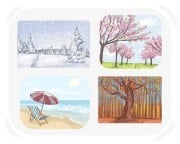
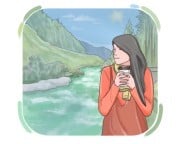
a period of time that a year is divided into, such as winter and summer, with each having three months

saison

saison

Ex: Winter is the perfect season to build snowmen and have snowball fights .

L'hiver est la saison parfaite pour construire des bonhommes de neige et faire des batailles de boules de neige.

around
around
[Adverbe]

in a way that encompasses or is present on multiple sides or throughout an area

autour

autour

Ex: A quiet buzz of conversation spread around.

Un léger bourdonnement de conversation se propagea autour.

world
world
[nom]

the planet earth, where we all live

monde

monde

Ex: We must take care of the world for future generations .

Nous devons prendre soin du monde pour les générations futures.

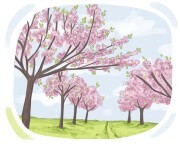
spring
spring
[nom]

the season that comes after winter, when in most countries the trees and flowers begin to grow again

printemps

printemps

Ex: The spring semester at school starts in January and ends in May , with a break for spring break in March .

Le semestre de printemps à l'école commence en janvier et se termine en mai, avec une pause pour les vacances de printemps en mars.

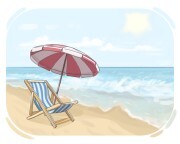
summer
summer
[nom]

the season that comes after spring and in most countries summer is the warmest season

été

été

Ex: Summer is the season for outdoor concerts and festivals .

L'été est la saison des concerts et festivals en plein air.

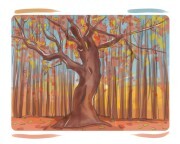
fall
fall
[nom]

the season that comes after summer, when in most countries the color of the leaves change and they fall from the trees

automne

automne

Ex: The sound of crunching leaves underfoot is a characteristic of the fall season .

Le son des feuilles qui craquent sous les pieds est une caractéristique de la saison automne.

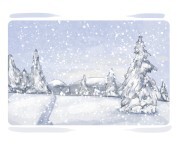
winter
winter
[nom]

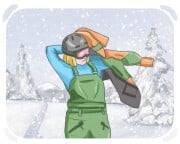
the season that comes after fall and in most countries winter is the coldest season

hiver

hiver

Ex: Winter is the time when people celebrate holidays like Christmas and New Year 's .

L'hiver est le moment où les gens célèbrent des fêtes comme Noël et le Nouvel An.

sunny
sunny
[Adjectif]

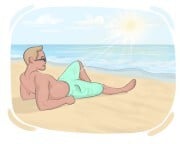
very bright because there is a lot of light coming from the sun

ensoleillé

ensoleillé

Ex: The sunny weather melted the snow , revealing patches of green grass .

Le temps ensoleillé a fait fondre la neige, révélant des plaques d'herbe verte.

to rain
to rain
[verbe]

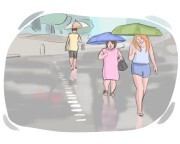
(of water) to fall from the sky in the shape of small drops

pleuvoir

pleuvoir

Ex: They stayed indoors because it was raining all day .

Ils sont restés à l'intérieur parce qu'il pleuvait toute la journée.

hot
hot
[Adjectif]

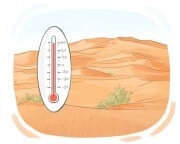
having a higher than normal temperature

chaud

chaud

Ex: The soup was too hot to eat right away .

La soupe était trop chaude pour être mangée tout de suite.

humid
humid
[Adjectif]

(of the climate) having a lot of moisture in the air, causing an uncomfortable and sticky feeling

humide, moite

humide, moite

Ex: The humid air made it difficult to dry laundry outside .

L'air humide a rendu difficile le séchage du linge à l'extérieur.

cool
cool
[Adjectif]

having a pleasantly mild, low temperature

frais, fraîche

frais, fraîche

Ex: They relaxed in the cool shade of the trees during the picnic .

Ils se sont détendus à l'ombre fraîche des arbres pendant le pique-nique.

cloudy
cloudy
[Adjectif]

having many clouds up in the sky

nuageux

nuageux

Ex: We decided to postpone our outdoor plans due to the cloudy weather .

Nous avons décidé de reporter nos projets en plein air en raison du temps nuageux.

windy
windy
[Adjectif]

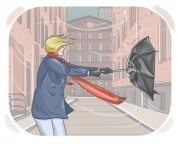
having a lot of strong winds

venteux, venteuse

venteux, venteuse

Ex: The windy weather is perfect for flying kites .

Le temps venteux est parfait pour faire voler des cerfs-volants.

to snow
to snow
[verbe]

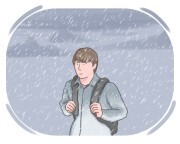
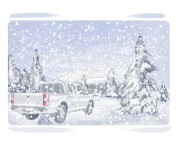
(of water) to fall from the sky in the shape of small and soft ice crystals

neiger

neiger

Ex: The weather report said it might snow tonight .

Le bulletin météo a dit qu'il pourrait neiger ce soir.

matter
matter
[nom]

a situation or subject that needs to be dealt with or considered

question

question

Ex: The matter of budget allocation was discussed during the meeting .

La question de l'allocation du budget a été discutée pendant la réunion.

to wear
to wear
[verbe]

to have something such as clothes, shoes, etc. on your body

porter

porter

Ex: She wears a hat to protect herself from the sun during outdoor activities .

Elle porte un chapeau pour se protéger du soleil pendant les activités en plein air.

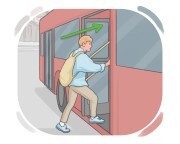
to take
to take
[verbe]

to use a particular route or means of transport in order to go somewhere

prendre

prendre

Ex: Take the second exit after the traffic light .

Prenez la deuxième sortie après le feu de circulation.

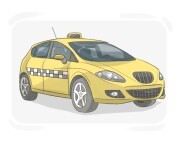
taxi
taxi
[nom]

a car that has a driver whom we pay to take us to different places

taxi

taxi

Ex: The taxi dropped me off at the entrance of the restaurant .

Le taxi m'a déposé à l'entrée du restaurant.

idea
idea
[nom]

a suggestion or thought about something that we could do

idée

idée

Ex: The manager welcomed any ideas from the employees to enhance workplace morale .

Le manager a accueilli toutes les idées des employés pour améliorer le moral au travail.

and
and
[Conjonction]

used to connect two words, phrases, or sentences referring to related things

et

et

Ex: The sun was shining brightly , and the birds were singing .

Le soleil brillait intensément, et les oiseaux chantaient.

but
but
[Conjonction]

used for introducing a word, phrase, or idea that is different to what has already been said

mais

mais

Ex: They planned to go to the beach , but it was too windy .

Ils avaient prévu d'aller à la plage, mais il y avait trop de vent.

so
so
[Conjonction]

used to introduce a consequence or result of the preceding clause

donc, alors

donc, alors

Ex: I forgot her birthday , so she was upset with me .

J'ai oublié son anniversaire, alors elle était fâchée contre moi.

LanGeek
Télécharger l'application LanGeek