pattern

Cartea Interchange - Începător - Unitatea 4 - Partea 2

Aici veți găsi vocabularul din Unitatea 4 - Partea 2 din manualul Interchange Beginner, cum ar fi "a purta", "problemă", "sezon", etc.

Revizuire

Fișe de studiu

Ortografie

Chestionar
Începe să înveți
Interchange - Beginner
green
green
[adjectiv]

having the color of fresh grass or most plant leaves

verde

verde

Ex: His eyes were a striking green shade, like emeralds. 

Ochii lui erau de o nuanță verde izbitoare, ca smaraldele.

Închide
Conectare
blue
blue
[adjectiv]

having the color of the ocean or clear sky at daytime

albastru
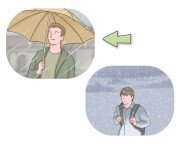
albastru

Ex: My mother has blue eyes and black hair. 

Mama mea are ochi albaștri și păr negru.

Închide
Conectare
dry
dry
[adjectiv]

lacking moisture or liquid

uscat, arid
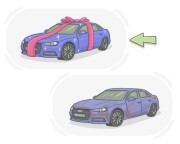
uscat, arid

Ex: She watered the dry plants in the garden. 

Ea a udat plantele uscate din grădină.

Închide
Conectare
new
new
[adjectiv]

recently invented, made, etc.

nou, proaspăt
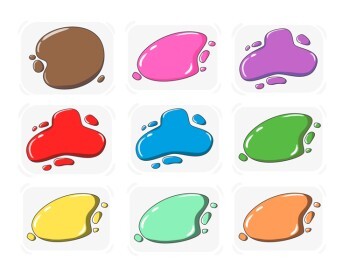
nou, proaspăt

Ex: He just moved into a new apartment downtown. 

Tocmai s-a mutat într-un apartament nou în centrul orașului.

Închide
Conectare
color
color
[substantiv]

a quality such as red, green, blue, yellow, etc. that we see when we look at something

culoare
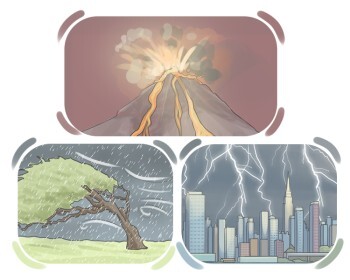
culoare

Ex: The artist mixed different colors to create a masterpiece. 

Artistul a amestecat diferite culori pentru a crea o capodoperă.

Închide
Conectare
disaster
disaster
[substantiv]

a sudden and unfortunate event that causes a great amount of death and destruction

dezastru,  catastrofă
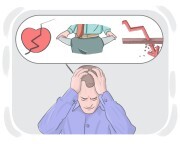
dezastru, catastrofă

Ex: After the disaster, the community came together to support each other. 

După dezastru, comunitatea s-a unit pentru a se sprijini reciproc.

Închide
Conectare
problem
problem
[substantiv]

something that causes difficulties and is hard to overcome

problemă, dificultate
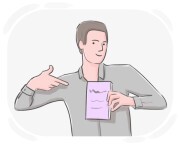
problemă, dificultate

Ex: Finding affordable housing in the city has become a significant problem for many people. 

Găsirea unei locuințe accesibile în oraș a devenit o problemă semnificativă pentru mulți oameni.

Închide
Conectare
my
my
[determinant]

(first-person singular possessive determiner) of or belonging to the speaker or writer

meu, mea

meu, mea

Ex: This is my house. 

Aceasta este casa mea.

Închide
Conectare
mine
mine
[pronume]

used to indicate that something belongs to or is associated with the speaker

al meu, a mea

al meu, a mea

Ex: This book is mine. 

Această carte este a mea.

Închide
Conectare
your
your
[determinant]

(second-person possessive determiner) of or belonging to the person or people being spoken or written to

tău, dumneavoastră

tău, dumneavoastră

Ex: Is this your backpack? 

Acesta este rucsacul tău?

Închide
Conectare
yours
yours
[pronume]

used for referring to something that belongs to or is related to the person who is being spoken to

al tău, a ta
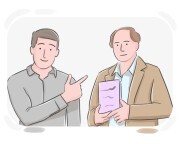
al tău, a ta

Închide
Conectare
his
his
[determinant]

(third-person singular possessive determiner) of or belonging to a man or boy who has already been mentioned or is easy to identify

lui, său

lui, său

Ex: John wore his favorite hat to the party. 

John și-a purtat pălăria lui preferată la petrecere.

Închide
Conectare
her
her
[pronume]

(objective third-person singular pronoun) used when referring to a female human or animal that is the object of a sentence

o, ei

o, ei

Ex: He offered her a piece of cake. 

I-a oferit ei o bucată de tort.

Închide
Conectare
hers
hers
[pronume]

used for referring to something that belongs to or is related to a female person or animal that has already been mentioned or is known

a ei, sa

a ei, sa

Închide
Conectare
our
our
[determinant]

(first-person plural possessive determiner) of or belonging to a speaker when they want to talk or write about themselves and at least one other person

nostru, noastră

nostru, noastră

Ex: Let's all contribute to our community project. 

Să contribuim cu toții la nostru proiect comunitar.

Închide
Conectare
ours
ours
[pronume]

used for referring to something that belongs to or is related to a group of people that includes the speaker

al nostru, a noastră
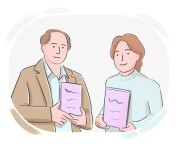
al nostru, a noastră

Închide
Conectare
their
their
[determinant]

(third-person plural possessive determiner) of or belonging to people, animals, or things that have already been mentioned or are easy to identify

lor

lor

Ex: The students are proud of their achievements. 

Studenții sunt mândri de realizările lor.

Închide
Conectare
theirs
theirs
[pronume]

used for referring to something that belongs to or is related to a group of people who are not the speaker or the listener

lor, al lor

lor, al lor

Închide
Conectare
whose
whose
[pronume]

used in questions to ask who an item belongs to

al cui, căruia îi aparține

al cui, căruia îi aparține

Închide
Conectare
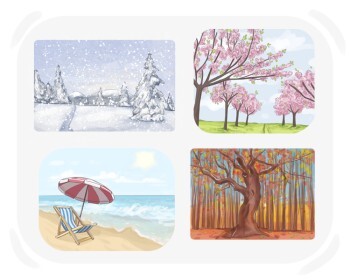
season
season
[substantiv]

a period of time that a year is divided into, such as winter and summer, with each having three months

sezon
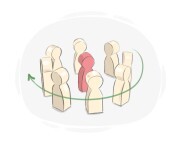
sezon

Ex: During the spring season, my son enjoys swimming in the pool. 

În timpul sezonului de primăvară, fiul meu se bucură să înoate în piscină.

Închide
Conectare
around
around
[adverb]

in a way that encompasses or is present on multiple sides or throughout an area

în jur, pretutindeni

în jur, pretutindeni

Ex: The cabin had trees all around. 

Cabana avea copaci în jur.

Închide
Conectare
world
world
[substantiv]

the planet earth, where we all live

lume, pământ
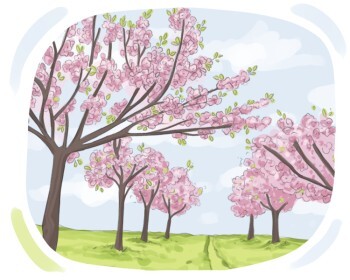
lume, pământ

Ex: His dream is to sail around the world. 

Visul lui este să navigheze în jurul lumii.

Închide
Conectare
spring
spring
[substantiv]

the season that comes after winter, when in most countries the trees and flowers begin to grow again

primăvară, primăvara
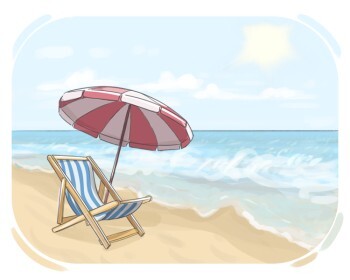
primăvară, primăvara

Ex: His favorite season is spring, when the weather is mild and the flowers are in full bloom. 

Anotimpul său preferat este primăvara, când vremea este blândă și florile sunt în floare.

Închide
Conectare
summer
summer
[substantiv]

the season that comes after spring and in most countries summer is the warmest season

vară, sezonul de vară
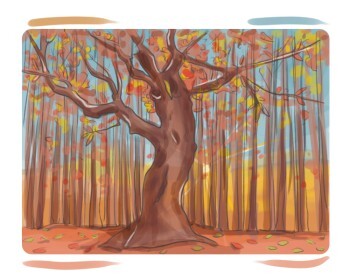
vară, sezonul de vară

Ex: I enjoy eating ice cream to cool down in the hot summer months. 

Îmi place să mănânc înghețată pentru a mă răcori în lunile calde ale verii.

Închide
Conectare
fall
fall
[substantiv]

the season that comes after summer, when in most countries the color of the leaves change and they fall from the trees

toamnă
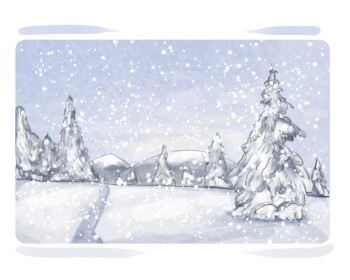
toamnă

Ex: Fall is the season when students go back to school after summer break. 

Toamna este anotimpul în care elevii se întorc la școală după vacanța de vară.

Închide
Conectare
winter
winter
[substantiv]

the season that comes after fall and in most countries winter is the coldest season

iarnă
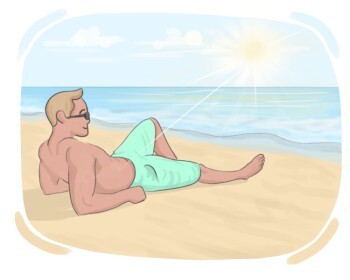
iarnă

Ex: It's fun to go skiing or snowboarding on the mountains in winter. 

Este distractiv să mergi la schi sau snowboard în munți în iarnă.

Închide
Conectare
sunny
sunny
[adjectiv]

very bright because there is a lot of light coming from the sun

însorit, strălucitor
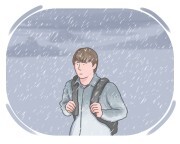
însorit, strălucitor

Ex: It's a beautiful sunny day, perfect for a picnic in the park. 

Este o frumoasă zi însorită, perfectă pentru un picnic în parc.

Închide
Conectare
to rain
to rain
[verb]

(of water) to fall from the sky in the shape of small drops

ploua
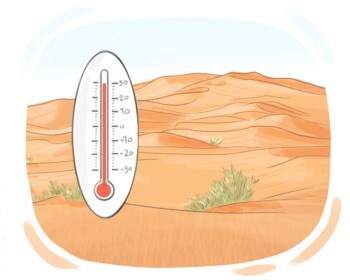
ploua

Ex: It looks like it's going to rain; better bring an umbrella. 

Se pare că va ploua; mai bine să iei o umbrelă.

Închide
Conectare
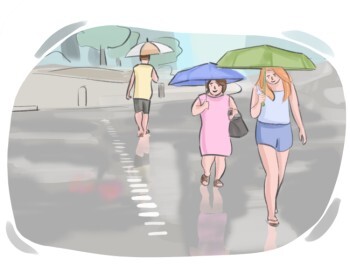
hot
hot
[adjectiv]

having a higher than normal temperature

fierbinte, cald
fierbinte, cald

Ex: I turned on the air conditioner because it was getting too hot inside. 

Am pornit aerul condiționat pentru că în interior se făcea prea cald.

Închide
Conectare
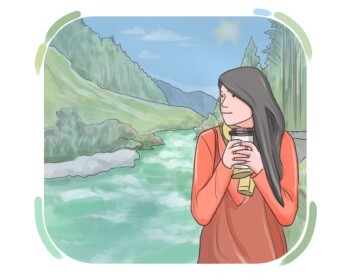
humid
humid
[adjectiv]

(of the climate) having a lot of moisture in the air, causing an uncomfortable and sticky feeling

umed, înăbușitor

umed, înăbușitor

Ex: The humid weather made the air feel heavy and sticky. 

Vremea umedă a făcut aerul să se simtă greu și lipicios.
Închide
Conectare
cool
cool
[adjectiv]

having a pleasantly mild, low temperature

răcoros, răcoritor

răcoros, răcoritor

Ex: She appreciated the cool interior of the museum on the hot day. 

Ea a apreciat interiorul rece al muzeului în ziua caldă.

Închide
Conectare
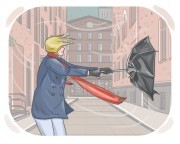
cloudy
cloudy
[adjectiv]

having many clouds up in the sky

noros, înnorat
noros, înnorat

Ex: I carried an umbrella with me because the weather looked cloudy. 

Am luat o umbrelă cu mine pentru că vremea părea înnorată.

Închide
Conectare
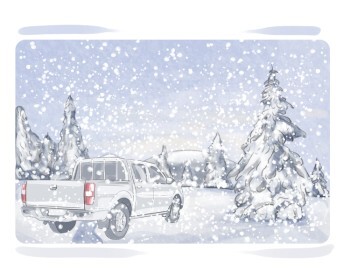
windy
windy
[adjectiv]

having a lot of strong winds

vântos, vântoasă

vântos, vântoasă

Ex: He had to secure his hat due to the windy conditions. 

A trebuit să-și securizeze pălaria din cauza condițiilor vântoase.
Închide
Conectare
to snow
to snow
[verb]

(of water) to fall from the sky in the shape of small and soft ice crystals

a ninge

a ninge

Ex: If it snows tomorrow, school might be cancelled. 

Dacă ninge mâine, școala ar putea fi anulată.

Închide
Conectare
matter
matter
[substantiv]

a situation or subject that needs to be dealt with or considered

problemă, chestiune
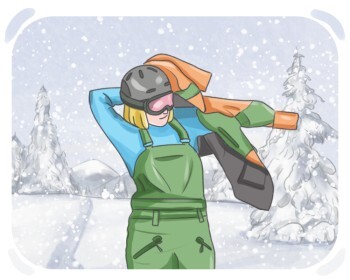
problemă, chestiune

Ex: Climate change is a pressing matter that requires immediate attention from global leaders. 

Schimbările climatice sunt o problemă urgentă care necesită atenție imediată din partea liderilor globali.

Închide
Conectare
to wear
to wear
[verb]

to have something such as clothes, shoes, etc. on your body

purta, îmbrăca
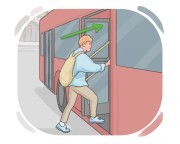
purta, îmbrăca

Ex: She decided to wear a beautiful dress to the party. 

Ea a decis să poarte o rochie frumoasă la petrecere.

Închide
Conectare
to take
to take
[verb]

to use a particular route or means of transport in order to go somewhere

a lua, a folosi
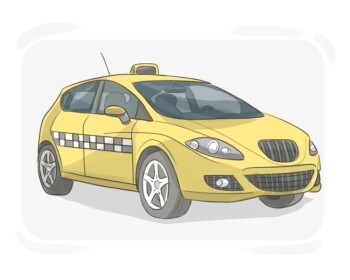
a lua, a folosi

Ex: I usually take the subway to work. 

De obicei iau metroul la muncă.

Închide
Conectare
taxi
taxi
[substantiv]

a car that has a driver whom we pay to take us to different places

taxi, mașină de închiriat

taxi, mașină de închiriat

Ex: I called a taxi to pick me up from my hotel. 

Am chemat un taxi să mă ia de la hotel.

Închide
Conectare
idea
idea
[substantiv]

a suggestion or thought about something that we could do

idee, sugestie

idee, sugestie

Ex: Sarah proposed a brilliant idea for the upcoming fundraiser 

Sarah a propus o idee strălucitoare pentru viitoarea strângere de fonduri.

Închide
Conectare
and
and
[Conjuncție]

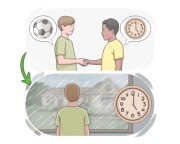
used to connect two words, phrases, or sentences referring to related things

și

și

Ex: I like to read books and watch movies. 

Îmi place să citesc cărți și să mă uit la filme.
Închide
Conectare
but
but
[Conjuncție]

used for introducing a word, phrase, or idea that is different to what has already been said

dar, însă

dar, însă

Ex: She loves to play soccer, but her sister prefers basketball. 

Ea iubește să joace fotbal, dar sora ei preferă baschetul.

Închide
Conectare
so
so
[Conjuncție]

used to introduce a consequence or result of the preceding clause

așadar, deci

așadar, deci

Ex: It was still painful, so I went to see a specialist. 

Încă era dureros, așa că m-am dus să văd un specialist.

Închide
Conectare
LanGeek
Descarcă aplicația LanGeek