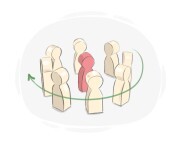
pattern

Книга Interchange - Начальный - Блок 4 - Часть 2

Здесь вы найдете словарь из Раздела 4 - Части 2 учебника Interchange Beginner, такие как "носить", "проблема", "сезон" и т.д.

Обзор

Флэш-карточки

формы

Правописание

Тест

Начать учиться
Interchange - Beginner
green
green
[прилагательное]

having the color of fresh grass or most plant leaves

зеленый

зеленый

Ex: The salad bowl was full with fresh , crisp green vegetables .

Салатная миска была полна свежих, хрустящих зеленых овощей.

Закрыть
Войти
blue
blue
[прилагательное]

having the color of the ocean or clear sky at daytime

голубой, синий

голубой, синий

Ex: They wore blue jeans to the party.

Они надели синие джинсы на вечеринку.

Закрыть
Войти
dry
dry
[прилагательное]

lacking moisture or liquid

сухой

сухой

Ex: After the rain stopped , the pavement quickly became dry under the heat .

После того как дождь прекратился, тротуар быстро стал сухим под воздействием тепла.

Закрыть
Войти
new
new
[прилагательное]

recently invented, made, etc.

новый

новый

Ex: A new energy-efficient washing machine was introduced to reduce household energy consumption .

Была представлена новая энергоэффективная стиральная машина для сокращения потребления энергии в домашних хозяйствах.

Закрыть
Войти
color
color
[существительное]

a quality such as red, green, blue, yellow, etc. that we see when we look at something

цвет
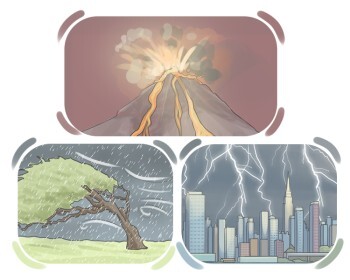
цвет

Ex: The traffic light has three colors: red, yellow, and green.

Светофор имеет три цвета: красный, желтый и зеленый.

Закрыть
Войти
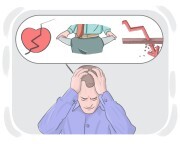
disaster
disaster
[существительное]

a sudden and unfortunate event that causes a great amount of death and destruction

катастрофа

катастрофа

Ex: The outbreak of the disease was a public health disaster.

Вспышка болезни стала катастрофой для общественного здравоохранения.

Закрыть
Войти
problem
problem
[существительное]

something that causes difficulties and is hard to overcome

проблема

проблема

Ex: There was a problem with the delivery , and the package did n't arrive on time .

Возникла проблема с доставкой, и посылка не прибыла вовремя.

Закрыть
Войти
my
my
[определитель]

(first-person singular possessive determiner) of or belonging to the speaker or writer

мой

мой

Ex: My favorite color is blue .

Мой любимый цвет — синий.

Закрыть
Войти
mine
mine
[местоимение]

used to indicate that something belongs to or is associated with the speaker

мой,  моя

мой, моя

Ex: The last piece of cake is mine.

Последний кусок торта мой.

Закрыть
Войти
your
your
[определитель]

(second-person possessive determiner) of or belonging to the person or people being spoken or written to

ваш

ваш

Ex: Your opinion matters to us .

Ваше мнение важно для нас.

Закрыть
Войти
yours
yours
[местоимение]

used for referring to something that belongs to or is related to the person who is being spoken to

твой,  твоя

твой, твоя

Закрыть
Войти
his
his
[определитель]

(third-person singular possessive determiner) of or belonging to a man or boy who has already been mentioned or is easy to identify

его

его

Ex: The king waved to the crowd from his balcony .

Король помахал толпе с своего балкона.

Закрыть
Войти
her
her
[местоимение]

(objective third-person singular pronoun) used when referring to a female human or animal that is the object of a sentence

ее, ей

ее, ей

Ex: They presented her with a bouquet of flowers.

Ей подарили букет цветов.

Закрыть
Войти
hers
hers
[местоимение]

used for referring to something that belongs to or is related to a female person or animal that has already been mentioned or is known

её

её

Закрыть
Войти
our
our
[определитель]

(first-person plural possessive determiner) of or belonging to a speaker when they want to talk or write about themselves and at least one other person

наш

наш

Ex: Thank you for our invitation to the party .

Спасибо за наше приглашение на вечеринку.

Закрыть
Войти
ours
ours
[местоимение]

used for referring to something that belongs to or is related to a group of people that includes the speaker

наш,  наша

наш, наша

Закрыть
Войти
their
their
[определитель]

(third-person plural possessive determiner) of or belonging to people, animals, or things that have already been mentioned or are easy to identify

их

их

Ex: The athletes trained hard to improve their skills .

Спортсмены усердно тренировались, чтобы улучшить свои навыки.

Закрыть
Войти
theirs
theirs
[местоимение]

used for referring to something that belongs to or is related to a group of people who are not the speaker or the listener

их

их

Закрыть
Войти
whose
whose
[местоимение]

used in questions to ask who an item belongs to

чей

чей

Закрыть
Войти
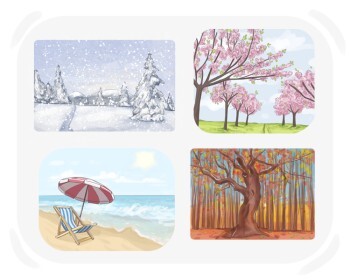
season
season
[существительное]

a period of time that a year is divided into, such as winter and summer, with each having three months

время года

время года

Ex: Winter is the perfect season to build snowmen and have snowball fights .

Зима — идеальное время года для строительства снеговиков и снежных боёв.

Закрыть
Войти
around
around
[наречие]

in a way that encompasses or is present on multiple sides or throughout an area

кругом

кругом

Ex: A quiet buzz of conversation spread around.

Тихий гул разговоров распространился вокруг.

Закрыть
Войти
world
world
[существительное]

the planet earth, where we all live

мир

мир

Ex: We must take care of the world for future generations .

Мы должны заботиться о мире для будущих поколений.

Закрыть
Войти
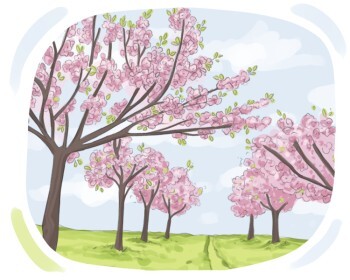
spring
spring
[существительное]

the season that comes after winter, when in most countries the trees and flowers begin to grow again

весна

весна

Ex: The spring semester at school starts in January and ends in May , with a break for spring break in March .

Весенний семестр в школе начинается в январе и заканчивается в мае, с перерывом на весенние каникулы в марте.

Закрыть
Войти
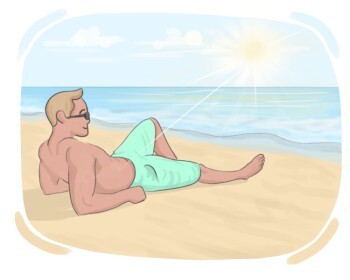
summer
summer
[существительное]

the season that comes after spring and in most countries summer is the warmest season

лето

лето

Ex: Summer is the season for outdoor concerts and festivals .

Лето - это сезон для концертов и фестивалей на открытом воздухе.

Закрыть
Войти
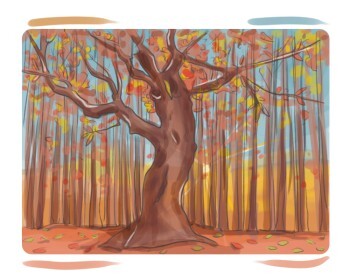
fall
fall
[существительное]

the season that comes after summer, when in most countries the color of the leaves change and they fall from the trees

осень
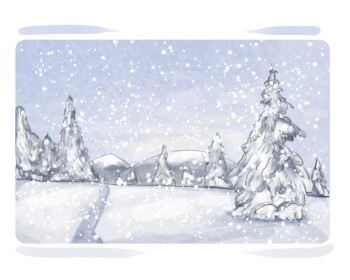
осень

Ex: The sound of crunching leaves underfoot is a characteristic of the fall season .

Звук хрустящих под ногами листьев — это характерная черта осени.

Закрыть
Войти
winter
winter
[существительное]

the season that comes after fall and in most countries winter is the coldest season

зима

зима

Ex: Winter is the time when people celebrate holidays like Christmas and New Year 's .

Зима — это время, когда люди празднуют такие праздники, как Рождество и Новый год.

Закрыть
Войти
sunny
sunny
[прилагательное]

very bright because there is a lot of light coming from the sun

солнечный

солнечный

Ex: The sunny weather melted the snow , revealing patches of green grass .

Солнечная погода растопила снег, обнажив участки зеленой травы.

Закрыть
Войти
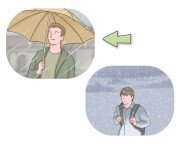
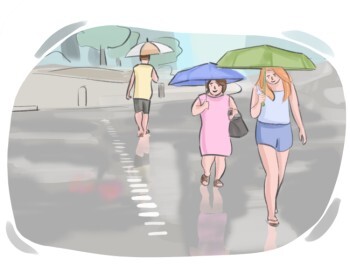
to rain
to rain
[глагол]

(of water) to fall from the sky in the shape of small drops

идет дождь

идет дождь

Ex: They stayed indoors because it was raining all day .

Они остались дома, потому что весь день дождь.

Закрыть
Войти
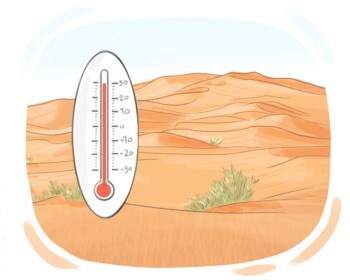
hot
hot
[прилагательное]

having a higher than normal temperature

горячий

горячий

Ex: The soup was too hot to eat right away .

Суп был слишком горячим, чтобы есть его сразу.

Закрыть
Войти
humid
humid
[прилагательное]

(of the climate) having a lot of moisture in the air, causing an uncomfortable and sticky feeling

влажный

влажный

Ex: The humid air made it difficult to dry laundry outside .

Влажный воздух затруднял сушку белья на улице.

Закрыть
Войти
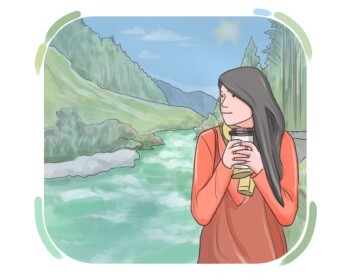
cool
cool
[прилагательное]

having a pleasantly mild, low temperature

прохладный

прохладный

Ex: They relaxed in the cool shade of the trees during the picnic .

Они отдыхали в прохладной тени деревьев во время пикника.

Закрыть
Войти
cloudy
cloudy
[прилагательное]

having many clouds up in the sky

облачный

облачный

Ex: We decided to postpone our outdoor plans due to the cloudy weather .

Мы решили отложить наши планы на открытом воздухе из-за облачной погоды.

Закрыть
Войти
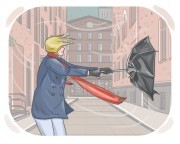
windy
windy
[прилагательное]

having a lot of strong winds

ветреный

ветреный

Ex: The windy weather is perfect for flying kites .

Ветреная погода идеально подходит для запуска воздушных змеев.

Закрыть
Войти
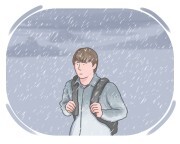
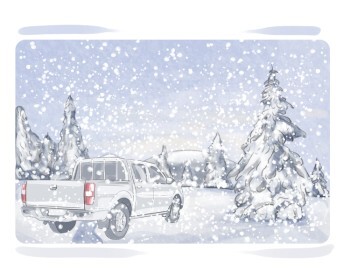
to snow
to snow
[глагол]

(of water) to fall from the sky in the shape of small and soft ice crystals

идет снег

идет снег

Ex: The weather report said it might snow tonight .

В прогнозе погоды сказали, что сегодня вечером может идти снег.

Закрыть
Войти
matter
matter
[существительное]

a situation or subject that needs to be dealt with or considered

вопрос, дело
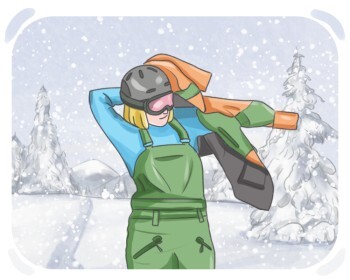
вопрос, дело

Ex: The matter of budget allocation was discussed during the meeting .

Вопрос распределения бюджета обсуждался во время встречи.

Закрыть
Войти
to wear
to wear
[глагол]

to have something such as clothes, shoes, etc. on your body

носить
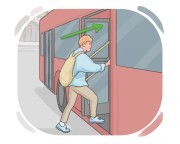
носить

Ex: She wears a hat to protect herself from the sun during outdoor activities .

Она носит шляпу, чтобы защитить себя от солнца во время мероприятий на открытом воздухе.

Закрыть
Войти
to take
to take
[глагол]

to use a particular route or means of transport in order to go somewhere

ехать
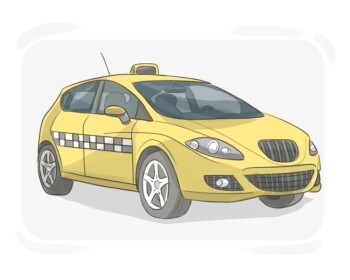
ехать

Ex: Take the second exit after the traffic light .

Возьмите второй выход после светофора.

Закрыть
Войти
taxi
taxi
[существительное]

a car that has a driver whom we pay to take us to different places

такси

такси

Ex: The taxi dropped me off at the entrance of the restaurant .

Такси высадило меня у входа в ресторан.

Закрыть
Войти
idea
idea
[существительное]

a suggestion or thought about something that we could do

идея

идея

Ex: The manager welcomed any ideas from the employees to enhance workplace morale .

Менеджер приветствовал любые идеи от сотрудников для повышения морального духа на рабочем месте.

Закрыть
Войти
and
and
[союз]

used to connect two words, phrases, or sentences referring to related things

и

и

Ex: The sun was shining brightly , and the birds were singing .

Солнце ярко светило, и птицы пели.

Закрыть
Войти
but
but
[союз]

used for introducing a word, phrase, or idea that is different to what has already been said

но

но

Ex: They planned to go to the beach , but it was too windy .

Они планировали поехать на пляж, но было слишком ветрено.

Закрыть
Войти
so
so
[союз]

used to introduce a consequence or result of the preceding clause

так что, так

так что, так

Ex: I forgot her birthday , so she was upset with me .

Я забыл её день рождения, поэтому она была расстроена мной.

Закрыть
Войти
LanGeek
Скачать приложение LanGeek