
Liste de Mots Niveau A2 - Blessures et maladies
Apprenez le vocabulaire anglais A2 des blessures, douleurs, symptômes, lésions courantes et de la description simple de l'état physique.
Réviser
Flashcards
Orthographe
Quiz
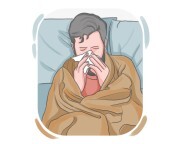
(of a person) sick or unwell

mauvais
Il a mangé trop de bonbons et maintenant il se sent mal.
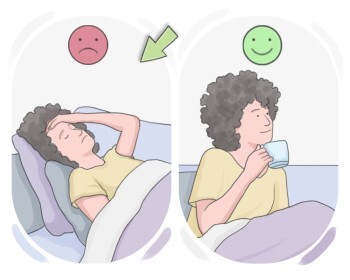
not in a good and healthy physical or mental state
malade
Mon chien est malade et nous avons rendu visite au vétérinaire.
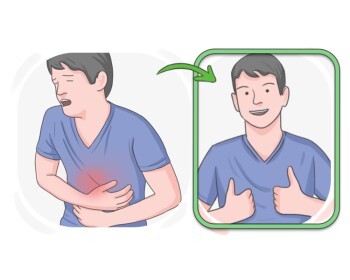
recovered from a physical or mental health problem completely or compared to the past
meilleur
Il va mieux maintenant et peut retourner à l'école.
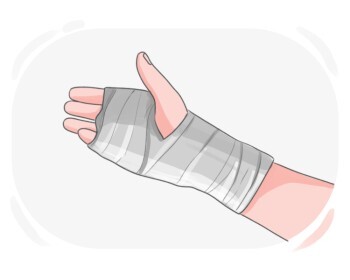
(of a thing) physically divided into pieces, because of being damaged, dropped, etc.
cassé, cassée
Elle ne peut pas jouer dans le match demain parce que son bras est cassé.
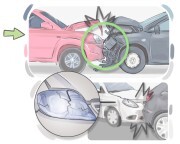
severe or dangerous enough to cause significant harm or concern
sérieux
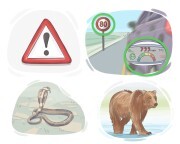
capable of destroying or causing harm to a person or thing
dangereux
Il conduisait à une vitesse dangereuse sur l'autoroute.
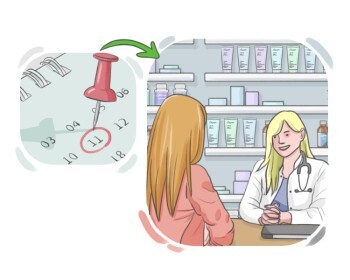
a planned meeting with someone, typically at a particular time and place, for a particular purpose
rendez-vous
Il a pris un rendez-vous pour discuter de ses notes avec le professeur.
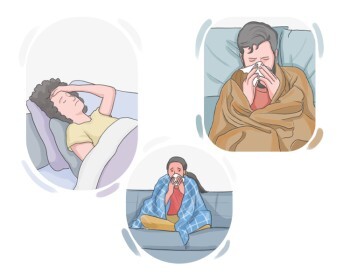
the state of being ill or in poor health
maladie
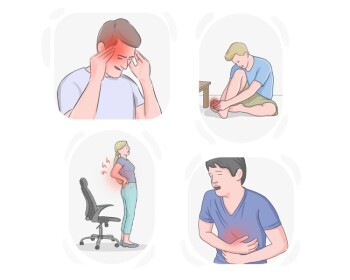
the unpleasant feeling caused by an illness or injury
douleur
J'ai cogné mon coude et la douleur est intense.
an unexpected and unpleasant event that happens by chance, usually causing damage or injury
accident
Elle a laissé tomber le vase, mais ce n'était qu'un accident.
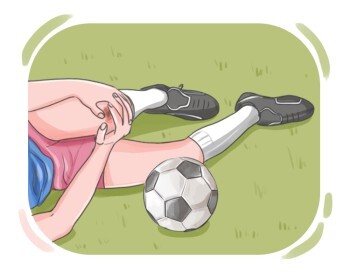
any physical damage to a part of the body caused by an accident or attack
blessure
Il a eu une blessure en jouant au football hier.
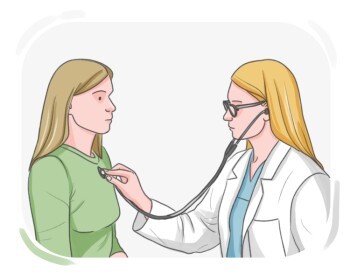
to check someone's health condition to find possible problems or concerns
faire passer un test de dépistage
Le dermatologue va tester un petit morceau de peau pour diagnostiquer les allergies.
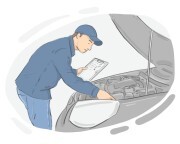
to look closely at someone or something to check their condition or discover problems
examiner
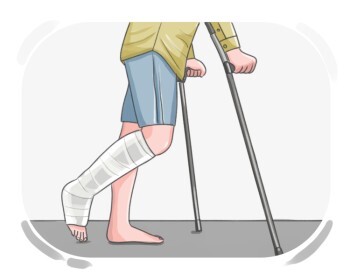
to cause a crack and a separation in one of the bones of the body
casser,fracturer
Il s'était cassé le bras au niveau du coude.
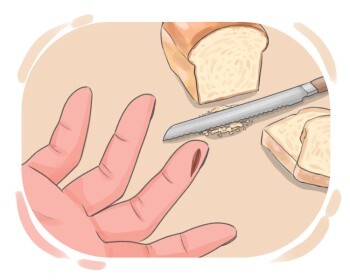
to accidentally wound and hurt yourself or others, especially with a sharp object, causing the skin to break and bleed
couper,entailler
Il s'est accidentellement coupé en se rasant ce matin.
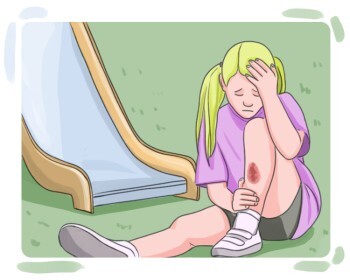
to cause injury or physical pain to yourself or someone else
faire mal à
Il n'a pas vu la marche et blessé son pied.
to cause physical harm or damage to a person or animal
blesser
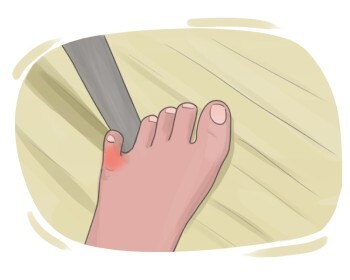
to accidentally strike a part of our body against something
heurter, frapper
Faites attention à ne pas cogner votre coude contre le cadre de la porte.
to have a meeting with a specialist for advice, examination, etc.
voir
Je dois voir un médecin pour ma toux persistante.
to get sick, usually with bacteria or a virus
attraper
Soyez prudent lorsque vous visitez l'hôpital, pour ne pas attraper une infection.
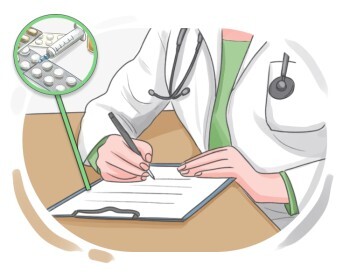
to officially recommend or order a medicine, treatment, or other form of medical care for a patient
prescrire
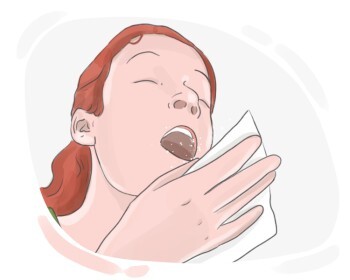
to blow air out of our nose and mouth in a sudden way
éternuer
J'éternue de manière incontrôlable quand j'ai un rhume.
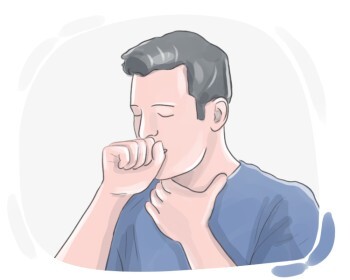
to force air suddenly out of the lungs through the throat with a short, sharp sound
tousser
to prevent someone or something from being damaged or harmed
protéger
Chaque entreprise se bat pour protéger ses propres intérêts commerciaux.
