pattern

Seznam Slovíček Úrovně A2 - Zranění a Nemoci

Zde se naučíte některá anglická slova o zraněních a nemocech, jako jsou "zlomený", "schůzka" a "kýchání", připravená pro studenty úrovně A2.

Revize

Kartičky

tvary

Pravopis

Kvíz

Začněte se učit
CEFR A2 Vocabulary
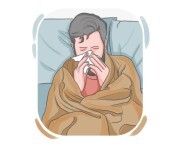
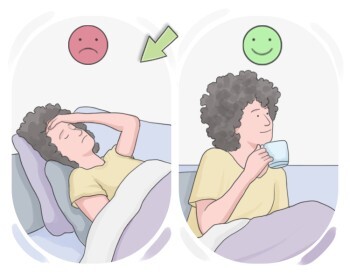
bad
bad
[Přídavné jméno]

(of a person) sick or unwell

nemocný, špatně
nemocný, špatně

Ex: She looks bad; did she eat something wrong ?

Vypadá špatně; snědla něco špatného?

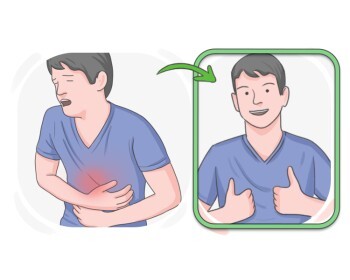
sick
sick
[Přídavné jméno]

not in a good and healthy physical or mental state

nemocný, nevolno
nemocný, nevolno

Ex: She was so sick, she missed the trip .

Byla tak nemocná, že zmeškala výlet.

better
better
[Přídavné jméno]

recovered from a physical or mental health problem completely or compared to the past

lepší, uzdravený

lepší, uzdravený

Ex: The fresh air made her feel instantly better.

Čerstvý vzduch jí okamžitě udělal lépe.
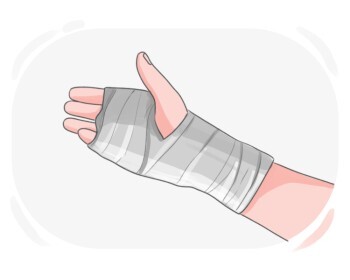
broken
broken
[Přídavné jméno]

(of a thing) physically divided into pieces, because of being damaged, dropped, etc.

zlomený, rozbitý

zlomený, rozbitý

Ex: She looked at the broken vase , saddened by the broken pieces on the ground .

Podívala se na rozbitou vázu, zarmoucená rozbitými kousky na podlaze.
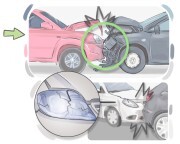
serious
serious
[Přídavné jméno]

needing attention and action because of possible danger or risk

vážný, těžký

vážný, těžký

Ex: The storm caused serious damage to the homes in the area .

Bouře způsobila vážné škody na domech v oblasti.

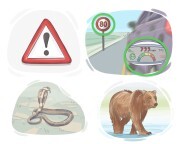
dangerous
dangerous
[Přídavné jméno]

capable of destroying or causing harm to a person or thing

nebezpečný

nebezpečný

Ex: The mountain path is slippery and considered dangerous.

Horská stezka je kluzká a považuje se za nebezpečnou.
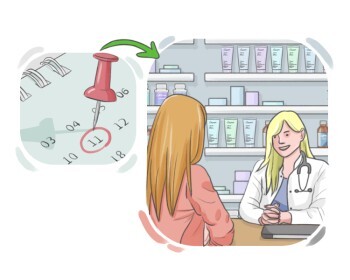
appointment
appointment
[Podstatné jméno]

a planned meeting with someone, typically at a particular time and place, for a particular purpose

schůzka, setkání
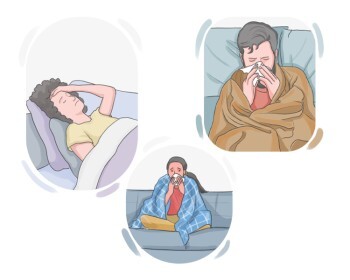
schůzka, setkání

Ex: They set an appointment to finalize the contract on Friday .

Dohodli schůzku, aby v pátek dokončili smlouvu.

sickness
sickness
[Podstatné jméno]

the state of being unwell

nemoc, nevolnost

nemoc, nevolnost

Ex: The village experienced a wave of sickness last month .

Vesnice zažila minulý měsíc vlnu nemoci.

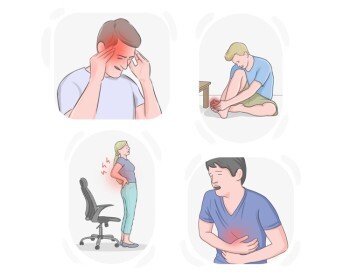
pain
pain
[Podstatné jméno]

the unpleasant feeling caused by an illness or injury

bolest
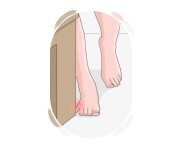
bolest

Ex: The pain from his sunburn made it hard to sleep .

Bolest z jeho spálení sluncem ztěžovala usínání.

accident
accident
[Podstatné jméno]

an unexpected and unpleasant event that happens by chance, usually causing damage or injury

nehoda, incident
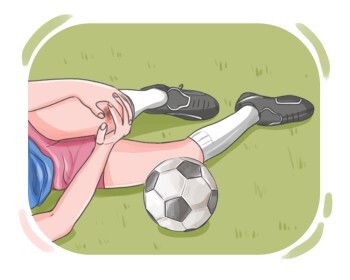
nehoda, incident

Ex: Despite taking precautions , accidents can still happen in the workplace .

I přes přijetí opatření se na pracovišti mohou stále stávat nehody.

injury
injury
[Podstatné jméno]

any physical damage to a part of the body caused by an accident or attack

zranění, poškození
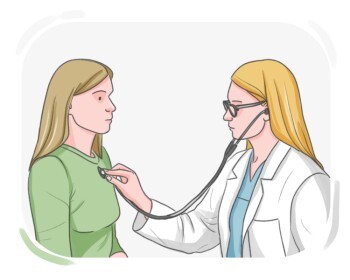
zranění, poškození

Ex: The soldier received an award for bravery after an injury in battle .

Voják obdržel ocenění za statečnost po zranění v bitvě.

to test
to test
[sloveso]

to check someone's health condition to find possible problems or concerns

testovat, zkoumat
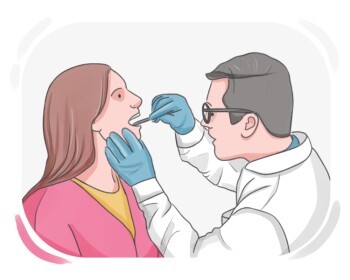
testovat, zkoumat

Ex: The physiotherapist will test your range of motion to design a personalized exercise plan .

Fyzioterapeut otestuje váš rozsah pohybu, aby navrhl personalizovaný cvičební plán.

to examine
to examine
[sloveso]

to look at something or someone carefully to find potential issues

zkoumat, prohlížet
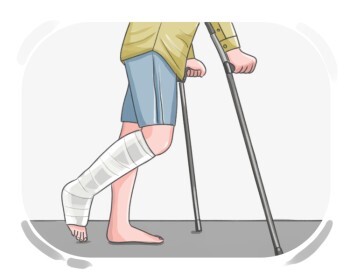
zkoumat, prohlížet

Ex: He examined the crops to ensure they were growing well after the storm .

Prozkoumal plodiny, aby se ujistil, že po bouři dobře rostou.

to break
to break
[sloveso]

to cause a crack and a separation in one of the bones of the body

zlomit, způsobit zlomeninu
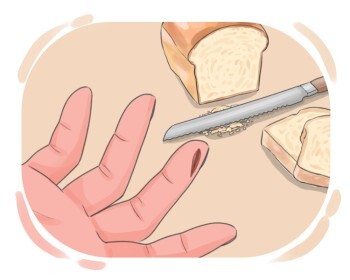
zlomit, způsobit zlomeninu

Ex: She fell and broke her arm while skiing .

Spadla a zlomila si ruku při lyžování.

to cut
to cut
[sloveso]

to accidentally wound and hurt yourself or others, especially with a sharp object, causing the skin to break and bleed

řezat, poranit
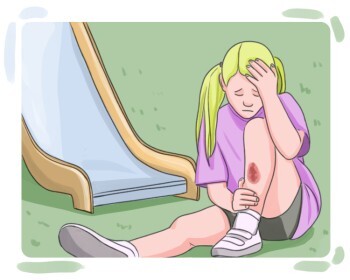
řezat, poranit

Ex: She cut herself on the broken glass while cleaning .

Při úklidu se řízla do rozbitého skla.

to hurt
to hurt
[sloveso]

to cause injury or physical pain to yourself or someone else

zranit, způsobit bolest

zranit, způsobit bolest

Ex: She was running and hurt her thigh muscle .

Běhala a poranila si sval na stehně.

to injure
to injure
[sloveso]

to physically cause harm to a person or thing

zranit, poškodit

zranit, poškodit

Ex: The horse kicked and injured the farmer .

Kůň kopnul a zranil farmáře.

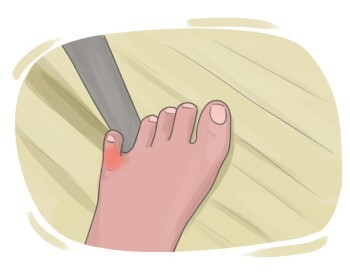
to hit
to hit
[sloveso]

to accidentally strike a part of our body against something

narazit, udeřit

narazit, udeřit

Ex: As he reached for the book on the top shelf , he hit his head on the cupboard .

Když sahal po knize na horní polici, udeřil se hlavou do skříně.

to see
to see
[sloveso]

to have a meeting with a specialist for advice, examination, etc.

vidět, konzultovat
vidět, konzultovat

Ex: I'm seeing a therapist to work through some personal issues.

Vidím se s terapeutem, abych pracoval na některých osobních problémech.

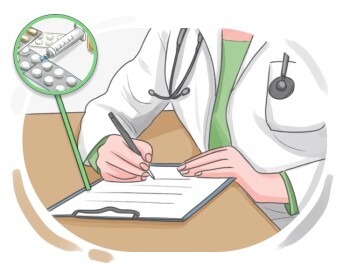
to catch
to catch
[sloveso]

to get sick, usually with bacteria or a virus

chytit, nakazit se
chytit, nakazit se

Ex: The crowded train is a place where you can easily catch a cold .

Přeplněný vlak je místo, kde můžete snadno chytit nachlazení.

to prescribe
to prescribe
[sloveso]

(of a healthcare professional) to tell someone what drug or treatment they should get

předepsat, ordinovat

předepsat, ordinovat

Ex: The specialist prescribed a special cream for my skin rash .

Specialista předepsal speciální krém na mou kožní vyrážku.

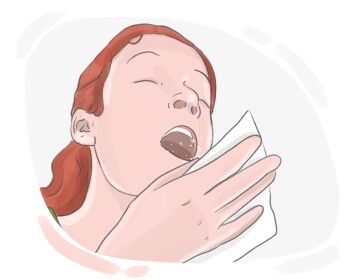
to sneeze
to sneeze
[sloveso]

to blow air out of our nose and mouth in a sudden way

kýchat, kýchat

kýchat, kýchat

Ex: Whenever I dust my house , I sneeze a lot .

Kdykoli utírám prach v domě, hodně kýchám.
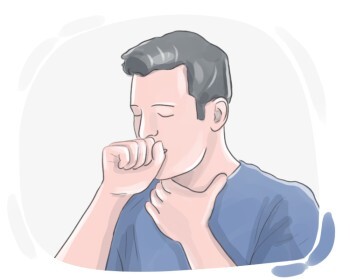
to cough
to cough
[sloveso]

to push air out of our mouth with a sudden noise

kašlat, dostat kašel

kašlat, dostat kašel

Ex: When he began to cough during his speech , someone offered him a glass of water .

Když během svého projevu začal kašlat, někdo mu nabídl sklenici vody.

to protect
to protect
[sloveso]

to prevent someone or something from being damaged or harmed

chránit, zachovat

chránit, zachovat

Ex: Troops have been sent to protect aid workers against attack .

Byly vyslány jednotky, aby chránily pracovníky humanitární pomoci před útoky.

LanGeek
Stáhnout aplikaci LanGeek