pattern

Lista Słówek Poziomu A2 - Urazy i Choroby

Tutaj nauczysz się niektórych angielskich słów dotyczących urazów i chorób, takich jak "złamany", "wizyta" i "kichanie", przygotowanych dla uczących się na poziomie A2.

Przegląd

Fiszki

formy

Pisownia

Test
Zacznij naukę
CEFR A2 Vocabulary
bad
bad
[przymiotnik]

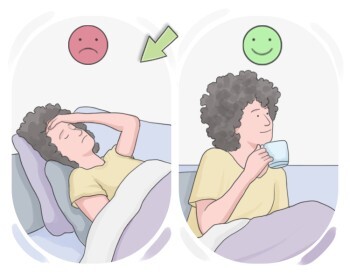
(of a person) sick or unwell

chory, źle się czujący
chory, źle się czujący

Ex: After the long run, he felt really bad. 
sick
sick
[przymiotnik]

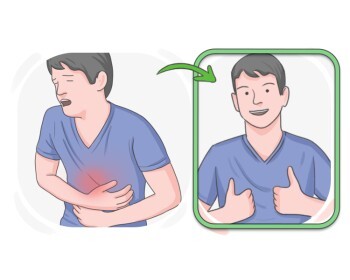
not in a good and healthy physical or mental state

chory, mdłości
chory, mdłości

Ex: I think the milk was bad; it made me sick. 
better
better
[przymiotnik]

recovered from a physical or mental health problem completely or compared to the past

lepszy, wyzdrowiały

lepszy, wyzdrowiały

Ex: The doctor said she is better and can go home tomorrow. 

Lekarz powiedział, że jest lepiej i może jutro wrócić do domu.
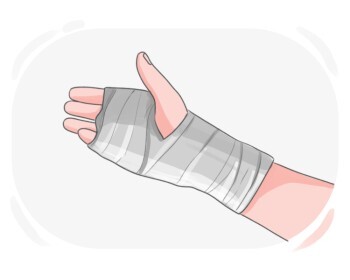
broken
broken
[przymiotnik]

(of a thing) physically divided into pieces, because of being damaged, dropped, etc.

złamany, stłuczony

złamany, stłuczony

Ex: The storm left a trail of destruction, with broken branches and fallen trees everywhere. 

Burza pozostawiła ślad zniszczenia, z połamanymi gałęziami i powalonymi drzewami wszędzie.
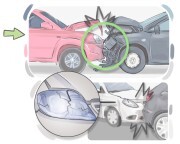
serious
serious
[przymiotnik]

needing attention and action because of possible danger or risk

poważny, ciężki

poważny, ciężki

Ex: The doctor said the injury was serious and needed immediate surgery. 

Lekarz powiedział, że obrażenie było poważne i wymagało natychmiastowej operacji.
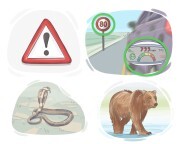
dangerous
dangerous
[przymiotnik]

capable of destroying or causing harm to a person or thing

niebezpieczny

niebezpieczny

Ex: The coast guard warned us against swimming during a storm because it's very dangerous. 

Straż przybrzeżna ostrzegła nas przed pływaniem podczas burzy, ponieważ jest to bardzo niebezpieczne.
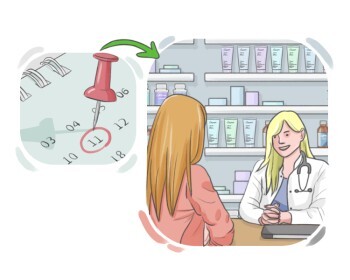
appointment
appointment
[Rzeczownik]

a planned meeting with someone, typically at a particular time and place, for a particular purpose

spotkanie, wizyta
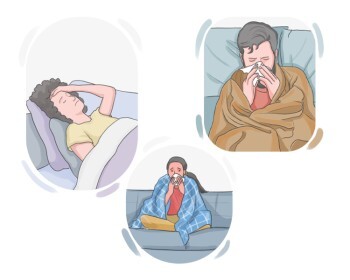
spotkanie, wizyta

Ex: Do you have any appointments available in the afternoon? 
sickness
sickness
[Rzeczownik]

the state of being ill or in poor health

choroba,  dolegliwość
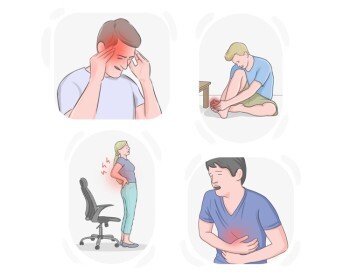
choroba, dolegliwość

Ex: Poor sanitation contributed to widespread sickness in the camp. 
pain
pain
[Rzeczownik]

the unpleasant feeling caused by an illness or injury

ból
ból

Ex: I have a sharp pain in my side when I breathe. 
accident
accident
[Rzeczownik]

an unexpected and unpleasant event that happens by chance, usually causing damage or injury

wypadek, incydent
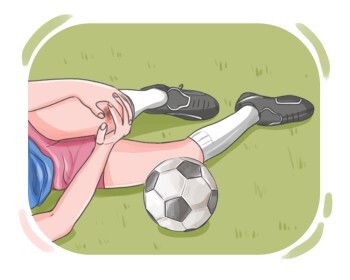
wypadek, incydent

Ex: She had a minor accident in the kitchen and hurt her foot. 
injury
injury
[Rzeczownik]

any physical damage to a part of the body caused by an accident or attack

uraz, uszkodzenie
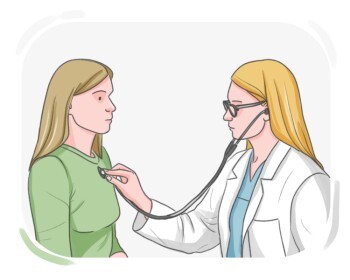
uraz, uszkodzenie

Ex: After the attack, she had a serious head injury. 
to test
to test
[Czasownik]

to check someone's health condition to find possible problems or concerns

testować, badać
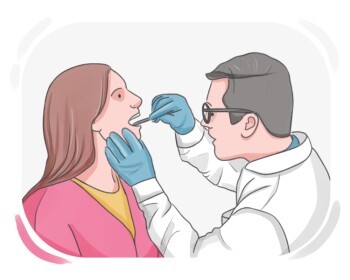
testować, badać

Ex: Before starting the treatment, the dentist will test your teeth and gums. 
to examine
to examine
[Czasownik]

to look at something or someone carefully to find potential issues

badać, sprawdzać
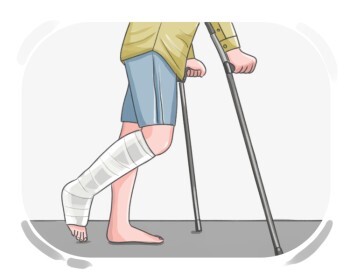
badać, sprawdzać

Ex: Be patient; the doctor will examine your eyes soon. 
to break
to break
[Czasownik]

to cause a crack and a separation in one of the bones of the body

złamać, spowodować złamanie
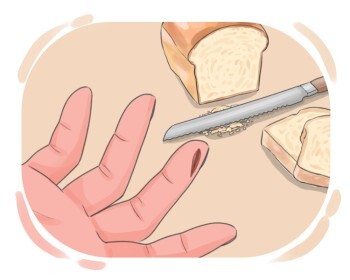
złamać, spowodować złamanie

Ex: The skier had a bad fall and broke several ribs. 
to cut
to cut
[Czasownik]

to accidentally wound and hurt yourself or others, especially with a sharp object, causing the skin to break and bleed

ciąć, zranić
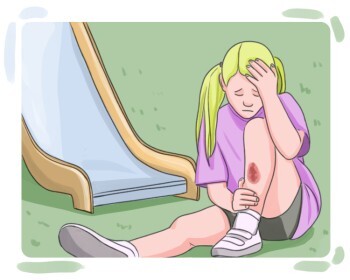
ciąć, zranić

Ex: Be careful with that glass; it can cut your hand. 
to hurt
to hurt
[Czasownik]

to cause injury or physical pain to yourself or someone else

zranić, sprawiać ból

zranić, sprawiać ból

Ex: Be careful with that toy; it could hurt someone. 
to injure
to injure
[Czasownik]

to cause physical harm or damage to a person or animal

ranić,  uszkodzić
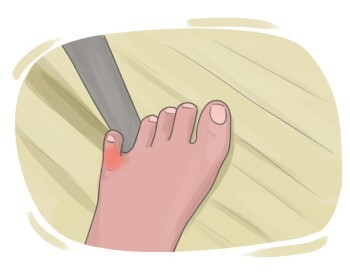
ranić, uszkodzić

Ex: Daniel was injured during Saturday's soccer match. 
to hit
to hit
[Czasownik]

to accidentally strike a part of our body against something

uderzyć, trącić

uderzyć, trącić

Ex: Ouch!  I hit my toe on the corner of the bed. 
to see
to see
[Czasownik]

to have a meeting with a specialist for advice, examination, etc.

widzieć, konsultować
widzieć, konsultować

Ex: I have an appointment to see the dentist next week. 
to catch
to catch
[Czasownik]

to get sick, usually with bacteria or a virus

złapać, zarazić się
złapać, zarazić się

Ex: Be careful around him; you don't want to catch the flu. 
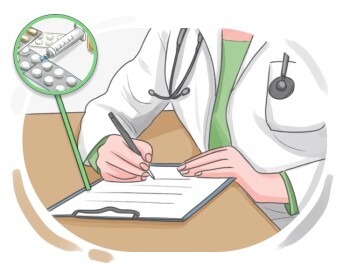
to prescribe
to prescribe
[Czasownik]

to officially recommend or order a medicine, treatment, or other form of medical care for a patient

przepisać
przepisać

Ex: Doctors sometimes prescribe exercise as part of a treatment plan. 
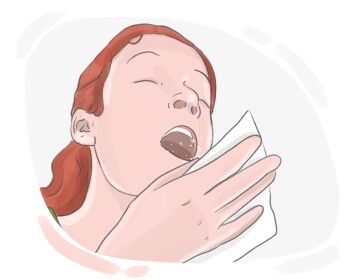
to sneeze
to sneeze
[Czasownik]

to blow air out of our nose and mouth in a sudden way

kichać, kichnąć

kichać, kichnąć

Ex: She began to sneeze due to the dust in the room. 

Zaczęła kichać z powodu kurzu w pokoju.
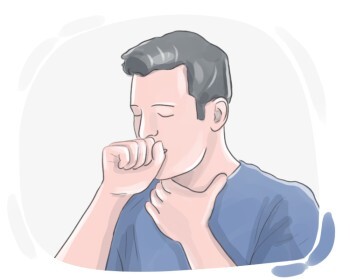
to cough
to cough
[Czasownik]

to force air suddenly out of the lungs through the throat with a short, sharp sound

kaszleć
kaszleć

Ex: She coughed loudly to get his attention. 
to protect
to protect
[Czasownik]

to prevent someone or something from being damaged or harmed

chronić, zabezpieczać

chronić, zabezpieczać

Ex: A majority of Democrats believe that such regulations protect the public. 
LanGeek
Pobierz aplikację LanGeek