pattern

Lista de Palabras Nivel A2 - Salud y Enfermedad 2

Aquí aprenderás algunas palabras en inglés sobre salud y enfermedad, como "broken", "appointment", "injury", etc. preparadas para estudiantes de A2.

Revisión

Tarjetas de memoria

formas

Ortografía

Cuestionario

Empezar a aprender
CEFR A2 Vocabulary
bad
bad
[Adjetivo]

(of a person) sick or unwell

malo

malo

Ex: I know you wanted to come to work, but you look bad. Go home. 

Sé que querías venir a trabajar, pero te ves mal. Vete a casa.

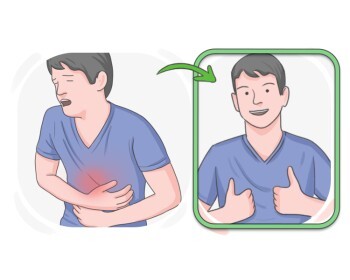
sick
sick
[Adjetivo]

not in a good and healthy physical or mental state

enfermo
enfermo

Ex: My father was so sick that he couldn't even get out of bed. 

Mi padre estaba tan enfermo que ni siquiera podía salir de la cama.

better
better
[Adjetivo]

recovered from a physical or mental health problem completely or compared to the past

mejor

mejor

Ex: I hope you get better soon! 

¡Espero que te mejores pronto!

broken
broken
[Adjetivo]

(of a thing) physically divided into pieces, because of being damaged, dropped, etc.

roto

roto

Ex: She was sad because her favorite mug was broken. 

Ella estaba triste porque su taza favorita estaba rota.
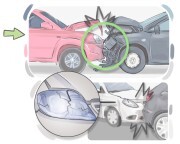
serious
serious
[Adjetivo]

needing attention and action because of possible danger or risk

grave

grave

Ex: The doctor said his condition is serious and needs immediate attention. 

El médico dijo que su condición es grave y necesita atención inmediata.
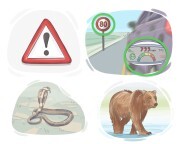
dangerous
dangerous
[Adjetivo]

capable of destroying or causing harm to a person or thing

peligroso

peligroso

Ex: She's allergic to bees; a sting can be dangerous for her. 

Ella es alérgica a las abejas; una picadura puede ser peligrosa para ella.
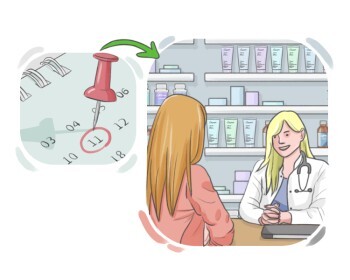
appointment
appointment
[Sustantivo]

a planned meeting with someone, typically at a particular time and place, for a particular purpose

cita
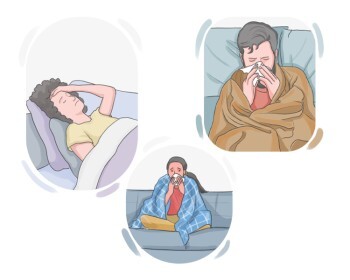
cita

Ex: I have a dentist appointment at 3 pm. 

Tengo una cita con el dentista a las 3 pm.

sickness
sickness
[Sustantivo]

the state of being unwell

enfermedad

enfermedad

Ex: She carried medicine for any unexpected sickness during her trip. 

Llevaba medicina para cualquier enfermedad inesperada durante su viaje.

pain
pain
[Sustantivo]

the unpleasant feeling caused by an illness or injury

dolor
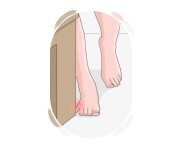
dolor

Ex: The dentist gave me medicine to ease the pain. 

El dentista me dio medicina para aliviar el dolor.

accident
accident
[Sustantivo]

an unexpected and unpleasant event that happens by chance, usually causing damage or injury

accidente
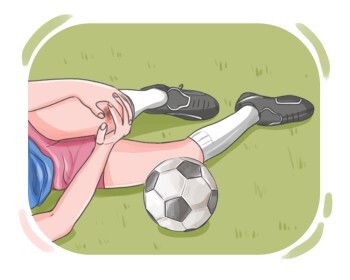
accidente

Ex: The factory made rules to stop accidents and keep workers safe. 

La fábrica estableció reglas para evitar accidentes y mantener a los trabajadores seguros.

injury
injury
[Sustantivo]

any physical damage to a part of the body caused by an accident or attack

herida
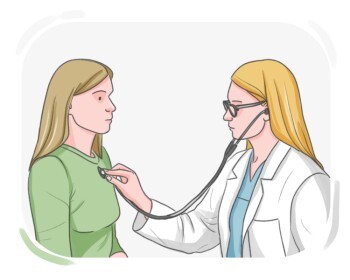
herida

Ex: She's been doing exercises to heal her shoulder injury. 

Ella ha estado haciendo ejercicios para sanar su lesión en el hombro.

to test
to test
[Verbo]

to check someone's health condition to find possible problems or concerns

probar, examinar
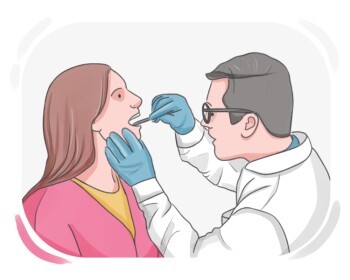
probar, examinar

Ex: The doctor will test your blood to check for any abnormalities. 

El médico analizará tu sangre para detectar cualquier anomalía.

to examine
to examine
[Verbo]

to look at something or someone carefully to find potential issues

examinar
examinar

Ex: The technician will examine the computer system to check for any issues. 

El técnico examinará el sistema informático para comprobar si hay algún problema.

to break
to break
[Verbo]

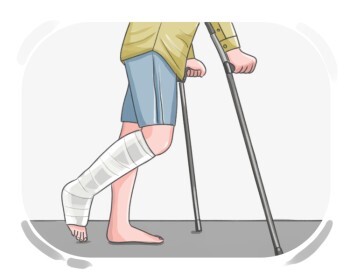
to cause a crack and a separation in one of the bones of the body

romper, fracturar
romper, fracturar

Ex: The athlete broke his leg during the soccer match. 

El atleta se rompió la pierna durante el partido de fútbol.

to cut
to cut
[Verbo]

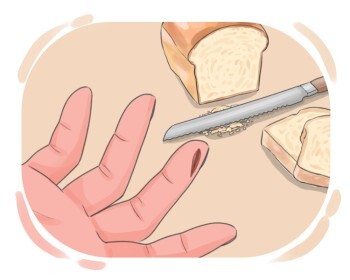
to accidentally wound and hurt yourself or others, especially with a sharp object, causing the skin to break and bleed

cortar, herir
cortar, herir

Ex: I accidentally cut my finger while I was chopping vegetables. 

Accidentalmente me corté el dedo mientras picaba verduras.

to hurt
to hurt
[Verbo]

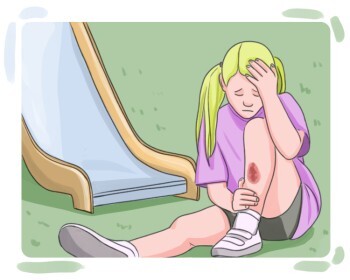
to cause injury or physical pain to yourself or someone else

hacer daño, lastimar

hacer daño, lastimar

Ex: I hurt my back lifting that heavy box. 

Me lastimé la espalda al levantar esa caja pesada.

to injure
to injure
[Verbo]

to physically cause harm to a person or thing

herir

herir

Ex: He injured his knee while playing soccer. 

Se lesionó la rodilla jugando al fútbol.

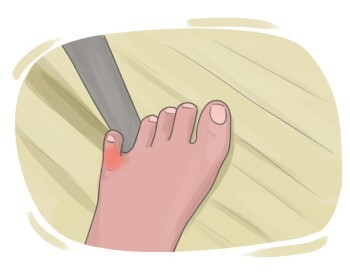
to hit
to hit
[Verbo]

to accidentally strike a part of our body against something

golpearse

golpearse

Ex: He hit his shin against the coffee table and it hurt. 

Se golpeó la espinilla contra la mesa de café y le dolió.

to see
to see
[Verbo]

to have a meeting with a specialist for advice, examination, etc.

ver
ver

Ex: I'm going to see a financial advisor to help me plan for retirement. 

Voy a ver a un asesor financiero para que me ayude a planificar mi jubilación.

to catch
to catch
[Verbo]

to get sick, usually with bacteria or a virus

coger
coger

Ex: Children in school often catch and spread germs quickly. 

Los niños en la escuela a menudo capturan y propagan gérmenes rápidamente.

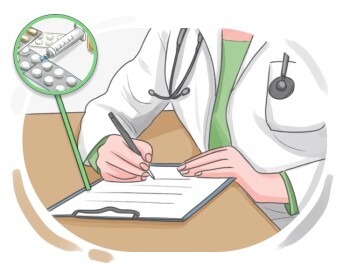
to prescribe

(of a healthcare professional) to tell someone what drug or treatment they should get

prescribir

prescribir

Ex: My therapist prescribed light exercises to help with my back pain. 

Mi terapeuta recetó ejercicios ligeros para ayudar con mi dolor de espalda.

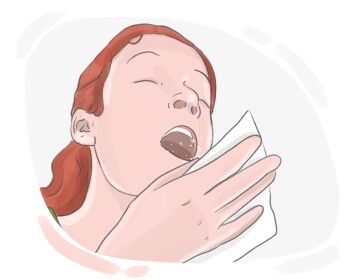
to sneeze
to sneeze
[Verbo]

to blow air out of our nose and mouth in a sudden way

estornudar

estornudar

Ex: If you sneeze into your hand, remember to wash it afterwards. 

Si estornudas en tu mano, recuerda lavarla después.
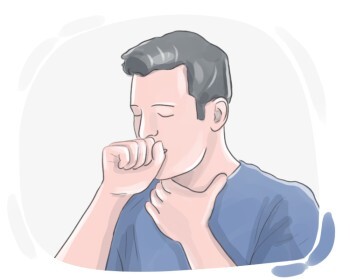
to cough
to cough
[Verbo]

to push air out of our mouth with a sudden noise

toser

toser

Ex: Please cover your mouth when you cough. 

Por favor, cúbrase la boca cuando tosca.

to protect
to protect
[Verbo]

to prevent someone or something from being damaged or harmed

proteger

proteger

Ex: Our aim is to protect the jobs of our members. 

Nuestro objetivo es proteger los empleos de nuestros miembros.

LanGeek
Descargar la aplicación LanGeek