pattern

Liste de Mots Niveau A2 - Émotions

Apprenez les mots et adjectifs anglais A2 pour exprimer la joie, la tristesse, la peur, l'inquiétude, l'enthousiasme, la colère et d'autres émotions.

Réviser

Flashcards

formes

Orthographe

Quiz

Commencer à apprendre
CEFR A2 Vocabulary
emotion
emotion
[nom]

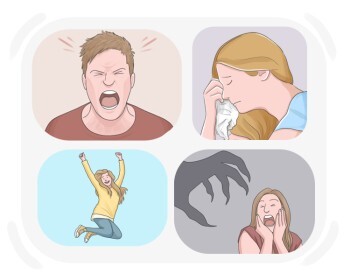
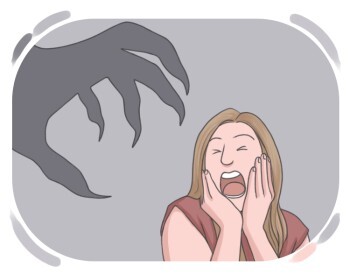
a strong feeling such as love, anger, etc.

émotion
émotion

Ex: Her eyes filled with tears as a wave of emotion swept over her. 
fear
fear
[nom]

a bad feeling that we get when we are afraid or worried

peur
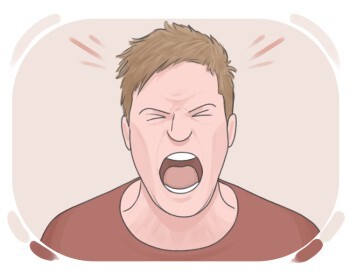
peur

Ex: She experienced a rush of fear when she heard a strange noise in the dark. 
anger
anger
[nom]

a strong feeling that we have when something bad has happened, so we might be unkind to someone or harm them

colère

colère

Ex: She struggled to control her anger after receiving an unfair criticism from her boss. 
sadness
sadness
[nom]

the feeling of being sad and not happy

tristesse

tristesse

Ex: The movie's ending left me with a profound sense of sadness. 

La fin du film m'a laissé un profond sentiment de tristesse.

happiness

the feeling or state of being happy

bonheur

bonheur

Ex: Spending time with his children brings Daniel great happiness. 
joy
joy
[nom]

the feeling of great happiness

joie

joie

Ex: Walking barefoot on the beach at sunset filled him with a sense of peace and joy. 
disgust
disgust
[nom]

a strong feeling of distaste for someone or something

dégoût

dégoût

Ex: The character's actions in the movie elicited disgust from the audience. 

Les actions du personnage dans le film ont suscité du dégoût chez le public.

surprise

a mild feeling of shock we have when something unusual happens

surprise
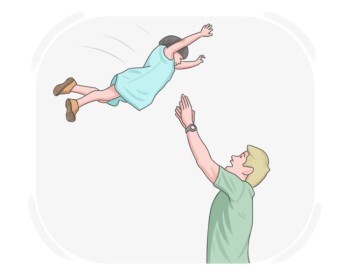
surprise

Ex: The sudden appearance of fireworks in the night sky filled the crowd with awe and surprise. 
trust
trust
[nom]

the strong belief that someone is honest or something is true and so we can count on them

confiance

confiance

Ex: Open communication and transparency are essential for building trust in relationships. 
shame
shame
[nom]

a painful feeling of embarrassment, guilt, or humiliation caused by one's own or another person's actions or circumstances

honte
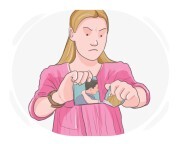
honte

Ex: She lowered her head in shame. 
hatred
hatred
[nom]

a very strong feeling of dislike

haine
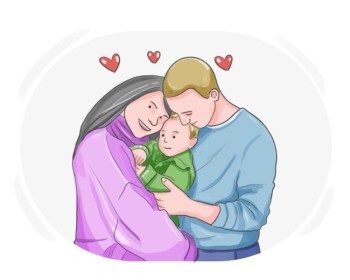
haine

Ex: His hatred towards injustice motivated him to become an activist for social change. 
love
love
[nom]

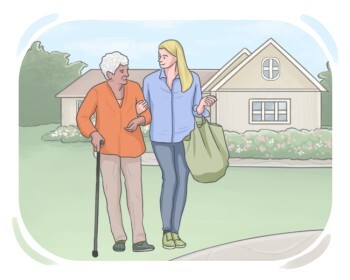
the very strong emotion we have for someone or something that is important to us and we like a lot and want to take care of

amour
amour

Ex: Her love for animals led her to become a passionate advocate for wildlife conservation. 
kindness

the quality of being caring toward people, animals, or plants

gentillesse

gentillesse

Ex: The organization's mission is to promote kindness and compassion towards all living beings. 

La mission de l'organisation est de promouvoir la gentillesse et la compassion envers tous les êtres vivants.
sympathy

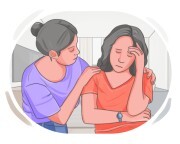
a feeling of care, concern, and understanding for someone who is suffering or experiencing difficulties

compassion
compassion

Ex: I have a great deal of sympathy for families facing financial difficulties. 
amusement

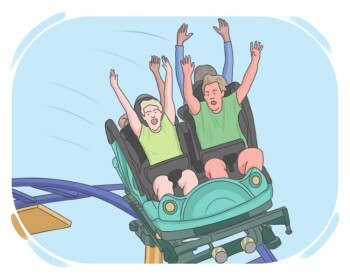
a feeling we get when somebody or something is funny and exciting

amusement, divertissement
amusement, divertissement

Ex: Watching a comedy show on television provided hours of amusement for the family. 
confusion

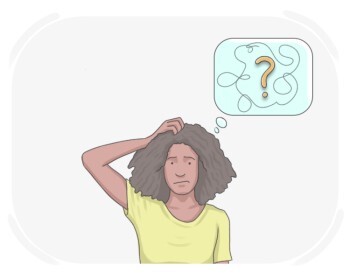
a state of being unable to think clearly or understand something

confusion

confusion

Ex: The sudden change left Daniel in a state of confusion. 
to laugh
to laugh
[verbe]

to make happy sounds and move our face like we are smiling because something is funny

rire
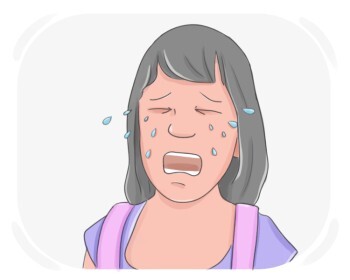
rire

Ex: We laughed so much that our stomachs hurt. 
to cry
to cry
[verbe]

to have tears coming from your eyes as a result of a strong emotion such as sadness, pain, or sorrow

pleurer
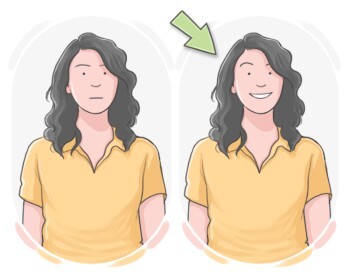
pleurer

Ex: She couldn't help but cry when she received the heartbreaking news. 
to smile
to smile
[verbe]

to make our mouth curve upwards, often in a way that our teeth can be seen, to show that we are happy or amused

sourire
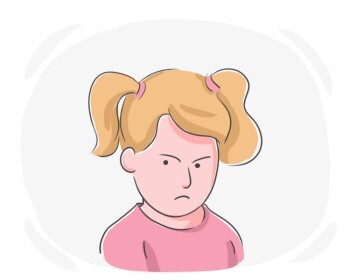
sourire

Ex: The children smiled with joy as they played in the park. 
to frown
to frown
[verbe]

to bring the eyebrows together and wrinkle the forehead, especially to show anger, worry, confusion, or disapproval

foncer les sourcils
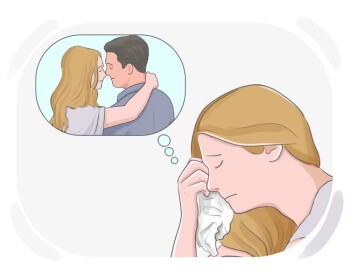
foncer les sourcils

Ex: Daniel frowned in confusion at the complicated instructions. 
to miss
to miss
[verbe]

to feel sad because we no longer can see someone or do something

manquer, regretter
manquer, regretter

Ex: He missed his best friend who had moved away to another country. 
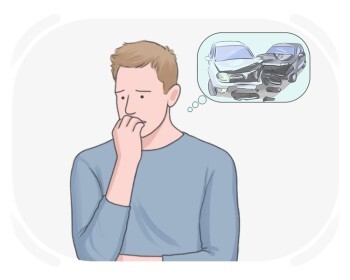
to worry
to worry
[verbe]

to feel upset and nervous because we think about bad things that might happen to us or our problems

s'inquiéter

s'inquiéter

Ex: Don't worry, I'll take care of everything while you're away. 
to surprise

to make someone feel mildly shocked

surprendre

surprendre

Ex: As the magician performed his tricks, the audience watched in anticipation, waiting for something to surprise them. 
surprised
surprised
[Adjectif]

feeling or showing shock or amazement

surpris

surpris

Ex: Surprised faces filled the room when the announcement was made. 

Des visages surpris ont rempli la pièce lorsque l'annonce a été faite.
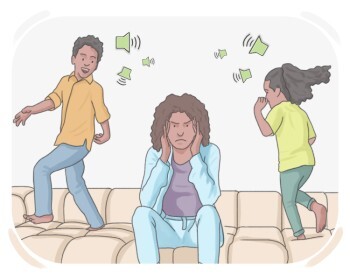
to annoy
to annoy
[verbe]

to make a person feel a little angry

énerver, ennuyer, agacer

énerver, ennuyer, agacer

Ex: His constant interruptions annoy me. 

Ses interruptions constantes agacent.

scared
scared
[Adjectif]

feeling frightened or anxious

terrifié, effrayé

terrifié, effrayé

Ex: The loud noise made the children feel scared. 

Le bruit fort a rendu les enfants effrayés.

LanGeek
Télécharger l'application LanGeek