pattern

Daftar Kata Level A2 - Emosi

Di sini Anda akan mempelajari beberapa kata dalam bahasa Inggris tentang emosi, seperti "takut", "marah", dan "sedih", yang disiapkan untuk pelajar tingkat A2.

Tinjauan

Kartu flash

bentuk

Ejaan

Kuis

Mulai belajar
CEFR A2 Vocabulary
emotion
emotion
[Kata benda]

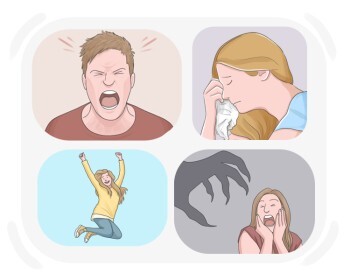
a strong feeling such as love, anger, etc.

emosi
emosi

Ex: He struggled to control his emotions and maintain a calm demeanor. 
Tutup
Masuk
fear
fear
[Kata benda]

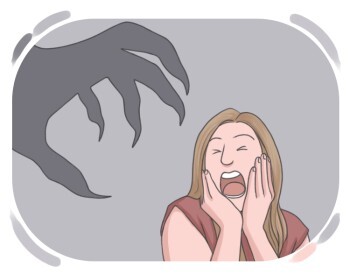
a bad feeling that we get when we are afraid or worried

ketakutan, kekhawatiran

ketakutan, kekhawatiran

Ex: The fear of heights prevented him from climbing the ladder. 
Tutup
Masuk
anger
anger
[Kata benda]

a strong feeling that we have when something bad has happened, so we might be unkind to someone or harm them

kemarahan, amarah

kemarahan, amarah

Ex: His anger flared up when he discovered that his car had been vandalized. 
Tutup
Masuk
sadness
sadness
[Kata benda]

the feeling of being sad and not happy

kesedihan

kesedihan

Ex: The loss of his pet brought overwhelming sadness to the entire family. 

Kehilangan hewan peliharaannya membawa kesedihan yang luar biasa bagi seluruh keluarga.

Tutup
Masuk
happiness
happiness
[Kata benda]

the feeling or state of being happy

kebahagiaan

kebahagiaan

Ex: Sarah's face was filled with happiness after hearing the good news. 
Tutup
Masuk
joy
joy
[Kata benda]

the feeling of great happiness

kegembiraan, sukacita

kegembiraan, sukacita

Ex: The sight of her newborn baby filled her heart with overwhelming joy. 
Tutup
Masuk
disgust
disgust
[Kata benda]

a strong feeling of distaste for someone or something

jijik, muak

jijik, muak

Ex: The taste of the spoiled milk left a lingering sense of disgust in his mouth. 

Rasa susu yang basi meninggalkan perasaan jijik yang berkepanjangan di mulutnya.

Tutup
Masuk
surprise
surprise
[Kata benda]

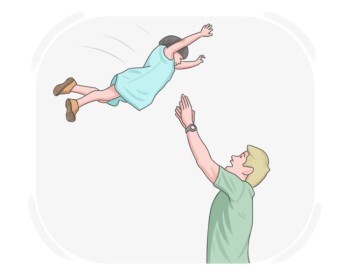
a mild feeling of shock we have when something unusual happens

kejutan
kejutan

Ex: She couldn't hide her surprise when she received a bouquet of flowers from a secret admirer. 
Tutup
Masuk
trust
trust
[Kata benda]

the strong belief that someone is honest or something is true and so we can count on them

kepercayaan

kepercayaan

Ex: The child's trust in her parents was unwavering, knowing they would always be there for her. 
Tutup
Masuk
shame
shame
[Kata benda]

a painful feeling of embarrassment, guilt, or humiliation caused by one's own or another person's actions or circumstances

rasa malu,  aib

rasa malu, aib

Ex: To his shame, he had forgotten his friend's birthday. 
Tutup
Masuk
hatred
hatred
[Kata benda]

a very strong feeling of dislike

kebencian, permusuhan

kebencian, permusuhan

Ex: The dictator's regime ruled with an iron fist, instilling fear and hatred among the citizens. 

Rezim diktator memerintah dengan tangan besi, menanamkan rasa takut dan kebencian di antara warga.
Tutup
Masuk
love
love
[Kata benda]

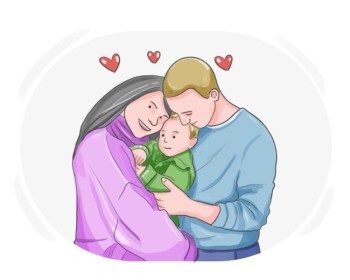
the very strong emotion we have for someone or something that is important to us and we like a lot and want to take care of

cinta

cinta

Ex: The love between a parent and a child is often considered one of the strongest bonds. 
Tutup
Masuk
kindness
kindness
[Kata benda]

the quality of being caring toward people, animals, or plants

kebaikan, keramahan

kebaikan, keramahan

Ex: She showed kindness to the stray cat by providing it with food and shelter. 

Dia menunjukkan kebaikan kepada kucing liar dengan memberinya makanan dan tempat tinggal.
Tutup
Masuk
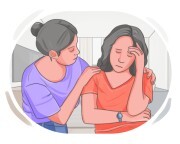
sympathy
sympathy
[Kata benda]

a feeling of care, concern, and understanding for someone who is suffering or experiencing difficulties

simpati,  belas kasihan
simpati, belas kasihan

Ex: Daniel showed little sympathy for his friend's situation. 
Tutup
Masuk
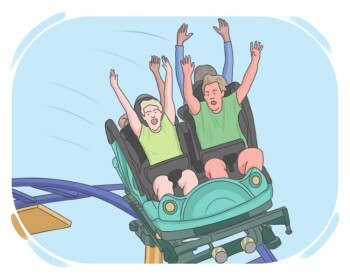
amusement
amusement
[Kata benda]

a feeling we get when somebody or something is funny and exciting

hiburan, kesenangan

hiburan, kesenangan

Ex: The children squealed with delight and amusement as they played with their toys. 

Anak-anak berteriak kegirangan dan kesenangan saat bermain dengan mainan mereka.
Tutup
Masuk
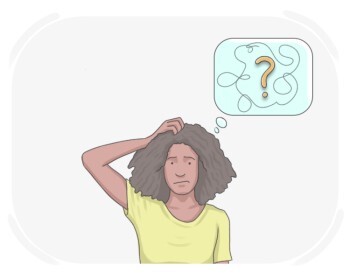
confusion
confusion
[Kata benda]

a state of being unable to think clearly or understand something

kebingungan,  kekacauan

kebingungan, kekacauan

Ex: There is still considerable confusion about how the new system works. 
Tutup
Masuk
to laugh
to laugh
[kata kerja]

to make happy sounds and move our face like we are smiling because something is funny

tertawa, tertawa terbahak-bahak
tertawa, tertawa terbahak-bahak

Ex: Your reaction was so funny, I laughed for minutes. 
Tutup
Masuk
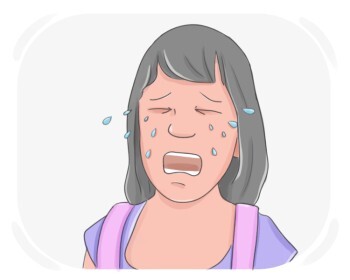
to cry
to cry
[kata kerja]

to have tears coming from your eyes as a result of a strong emotion such as sadness, pain, or sorrow

menangis, mengeluarkan air mata
menangis, mengeluarkan air mata

Ex: The little girl cried uncontrollably after losing her favorite toy. 
Tutup
Masuk
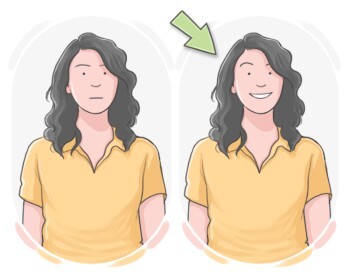
to smile
to smile
[kata kerja]

to make our mouth curve upwards, often in a way that our teeth can be seen, to show that we are happy or amused

tersenyum
tersenyum

Ex: She couldn't help but smile when she received a compliment. 
Tutup
Masuk
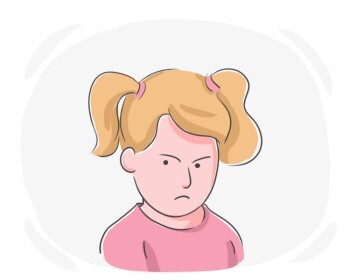
to frown
to frown
[kata kerja]

to bring the eyebrows together and wrinkle the forehead, especially to show anger, worry, confusion, or disapproval

mengerutkan dahi,  mengerutkan kening
mengerutkan dahi, mengerutkan kening

Ex: He frowned at the noisy children across the room. 
Tutup
Masuk
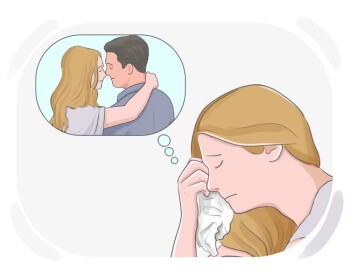
to miss
to miss
[kata kerja]

to feel sad because we no longer can see someone or do something

merindukan, merasa kehilangan
merindukan, merasa kehilangan

Ex: She missed her childhood home after moving to a new city. 
Tutup
Masuk
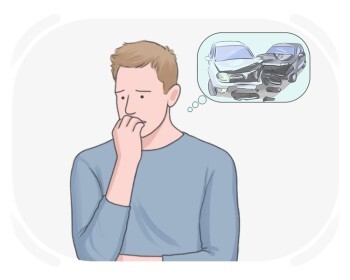
to worry
to worry
[kata kerja]

to feel upset and nervous because we think about bad things that might happen to us or our problems

khawatir, cemas

khawatir, cemas

Ex: She tends to worry about upcoming exams. 
Tutup
Masuk
to surprise
to surprise
[kata kerja]

to make someone feel mildly shocked

mengejutkan, mengherankan

mengejutkan, mengherankan

Ex: The unexpected news seemed to surprise her, and she couldn't hide her reaction. 
Tutup
Masuk
surprised
surprised
[Adjektiva]

feeling or showing shock or amazement

terkejut, kagum

terkejut, kagum

Ex: She looked surprised when they threw her a birthday party. 

Dia terlihat terkejut ketika mereka mengadakan pesta ulang tahun untuknya.
Tutup
Masuk
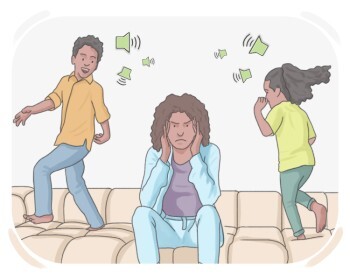
to annoy
to annoy
[kata kerja]

to make a person feel a little angry

mengganggu, menjengkelkan

mengganggu, menjengkelkan

Ex: The ongoing noise is annoying her. 

Kebisingan yang terus-menerus mengganggu dia.

Tutup
Masuk
scared
scared
[Adjektiva]

feeling frightened or anxious

takut, ketakutan

takut, ketakutan

Ex: She was scared to walk alone in the dark. 

Dia takut berjalan sendirian dalam kegelapan.

Tutup
Masuk
LanGeek
Unduh aplikasi LanGeek