Listă de Cuvinte Nivel A2 - Emoții
Aici veți învăța câteva cuvinte în engleză despre emoții, cum ar fi "frică", "furie" și "tristețe", pregătite pentru cursanții de nivel A2.
Revizuire
Fișe de studiu
forme
Ortografie
Chestionar

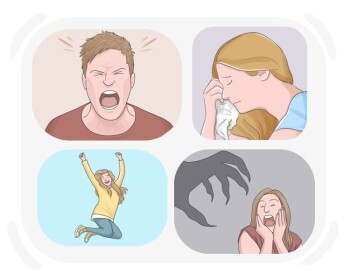
a strong feeling such as love, anger, etc.

emoție
El a luptat să-și controleze emoțiile și să mențină o atitudine calmă.
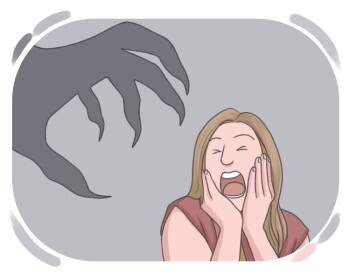
a bad feeling that we get when we are afraid or worried
frică, teamă
A simțit un val de frică când a auzit un zgomot ciudat în întuneric.
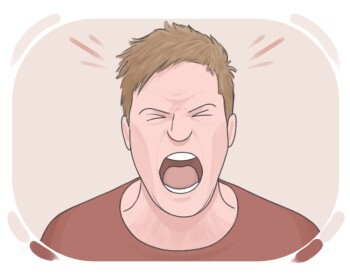
a strong feeling that we have when something bad has happened, so we might be unkind to someone or harm them
furie, mânie
Furia lui a izbucnit când a descoperit că mașina lui fusese vandalizată.
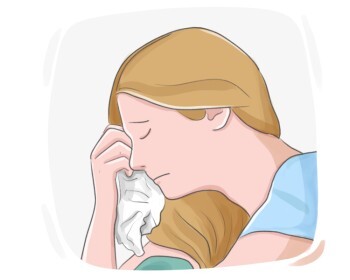
the feeling of being sad and not happy
tristețe
Nu a putut ascunde tristețea din ochii ei după ce a auzit vestea morții bunicii sale.

the feeling of being happy and well
fericire, bucurie
Nașterea primului lor copil a adus tânărului cuplu o imensă fericire.
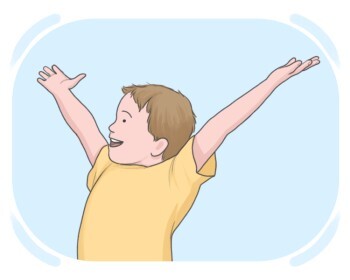
the feeling of great happiness
bucurie, veselie
Vederea nou-născutului ei i-a umplut inima de o bucurie copleșitoare.
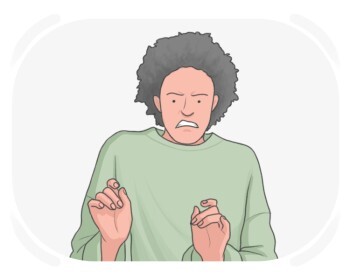
a strong feeling of distaste for someone or something
dezgust, repulsie
Vederea mâncării în descompunere din frigider a umplut-o de dezgust.
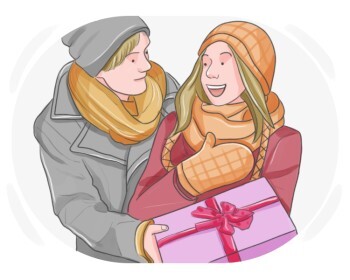
a mild feeling of shock we have when something unusual happens
surpriză
Ea nu și-a putut ascunde surpresa când a primit un buchet de flori de la un admirator secret.
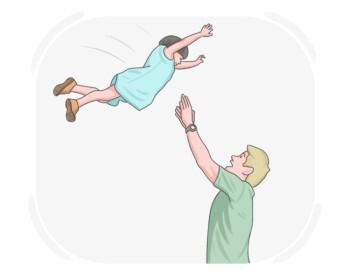
the strong belief that someone is honest or something is true and so we can count on them
încredere
Comunicarea deschisă și transparența sunt esențiale pentru construirea încrederii în relații.
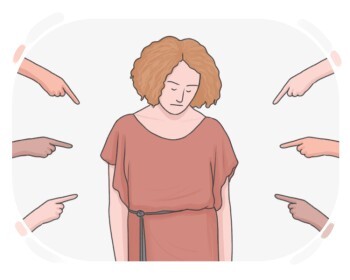
an uneasy feeling that we get because of our own or someone else's mistake or bad manner
rușine
Fața copilului s-a înroșit de rușine după ce a fost mustrat de profesor în fața clasei.
a very strong feeling of dislike
ură, aversiune
Conflictul a fost alimentat de o ură înrădăcinată între cele două facțiuni rivale.
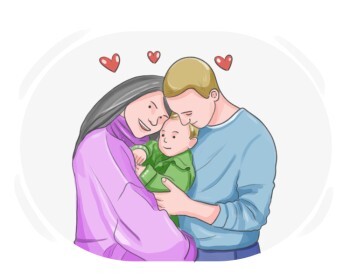
the very strong emotion we have for someone or something that is important to us and we like a lot and want to take care of
dragoste
Dragostea ei pentru animale a condus-o să devină un susținător pasionat al conservării faunei sălbatice.
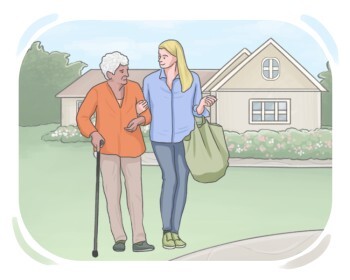
the quality of being caring toward people, animals, or plants
bunătate, amabilitate
Acte aleatorii de bunătate, cum ar fi ținerea ușii deschise pentru un străin, pot lumina ziua cuiva.
feelings of care and understanding toward other people's emotions, especially sadness or suffering
compasiune, simpatie
Ea și-a exprimat compasiunea pentru prietenul ei care a pierdut o persoană dragă.
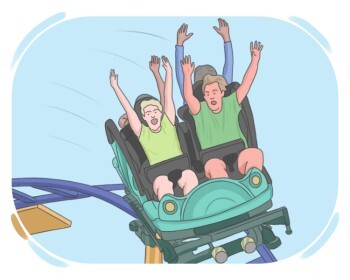
a feeling we get when somebody or something is funny and exciting
amuzament, plăcere
Glumele comediantului au adus valuri de râs și amuzament publicului.
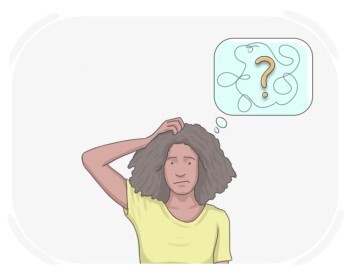
a state of being confused and not having a clear understanding of an action, behavior, etc.
confuzie
Confuzia studentului era evidentă când nu a putut rezolva problema de matematică.
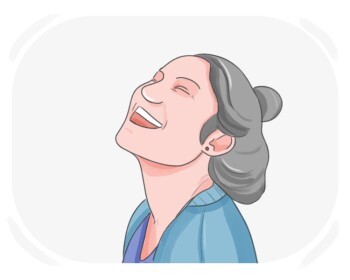
to make happy sounds and move our face like we are smiling because something is funny
râde, hohoti
Reacția ta a fost atât de amuzantă, am râs timp de minute.
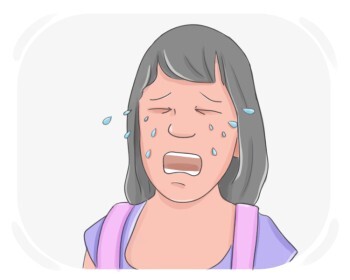
to have tears coming from your eyes as a result of a strong emotion such as sadness, pain, or sorrow
plânge, izbucni în lacrimi
Nu a putut să nu plângă când a primit vestea sfâșietoare.
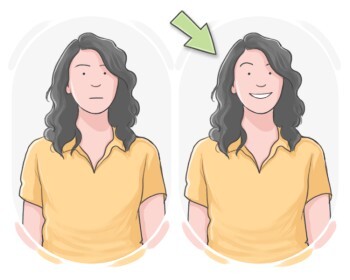
to make our mouth curve upwards, often in a way that our teeth can be seen, to show that we are happy or amused
zâmbi
Copiii zâmbeau de bucurie în timp ce se jucau în parc.
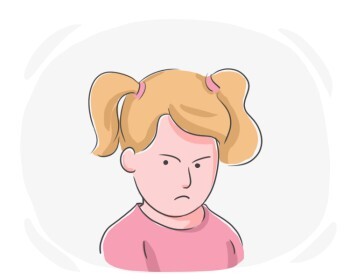
to bring your eyebrows closer together showing anger, sadness, or confusion
a se încrunta, a se posomorî
El tinde să se încrunte atunci când se concentrează profund asupra muncii sale.
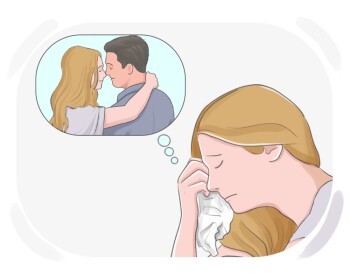
to feel sad because we no longer can see someone or do something
îi lipsi, dor de
I-a fost dor de cel mai bun prieten al său care se mutase în altă țară.
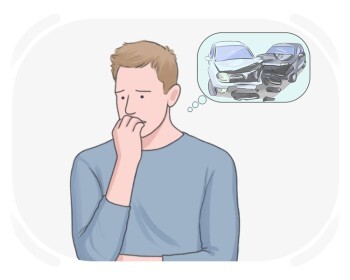
to feel upset and nervous because we think about bad things that might happen to us or our problems
a se îngrijora, a se neliniști
Ea tinde să se îngrijoreze din cauza examenelor viitoare.

to make someone feel mildly shocked
surprinde, uimi
Vestea neașteptată părea să o surprindă, și nu a putut să-și ascundă reacția.

feeling or showing shock or amazement
surprins, uimit
Fețe surprinse au umplut camera când a fost făcut anunțul.