فهرست واژگان سطح A2 - احساسات
در اینجا شما برخی از کلمات انگلیسی درباره احساسات، مانند "ترس"، "خشم" و "اندوه" را یاد خواهید گرفت، که برای زبان آموزان سطح A2 آماده شده است.
مرور
فلشکارتها
صورتها
املای کلمه
آزمون
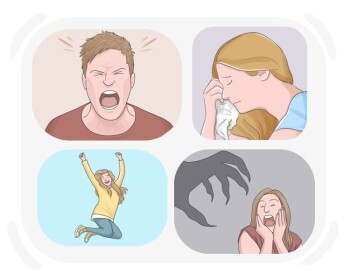
a strong feeling such as love, anger, etc.

احساس, عاطفه
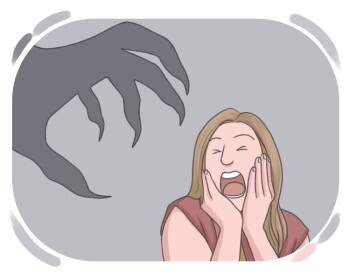
a bad feeling that we get when we are afraid or worried
ترس
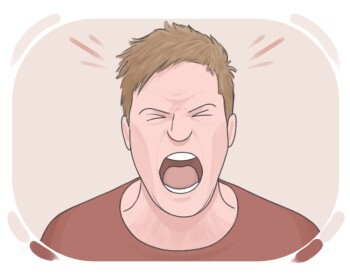
a strong feeling that we have when something bad has happened, so we might be unkind to someone or harm them
خشم, عصبانیت
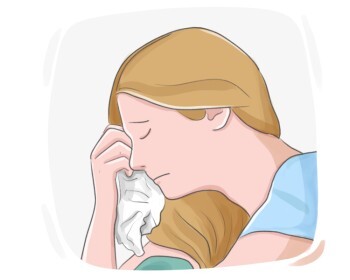
the feeling of being sad and not happy
ناراحتی, غم
پایان فیلم در من احساس عمیقی از اندوه برجای گذاشت.

the feeling or state of being happy
خوشحالی, شادی
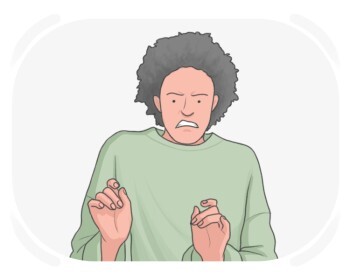
a strong feeling of distaste for someone or something
انزجار, نفرت
اقدامات شخصیت در فیلم انزجار را در تماشاگران برانگیخت.

a mild feeling of shock we have when something unusual happens
غافلگیری, تعجب، شگفتی
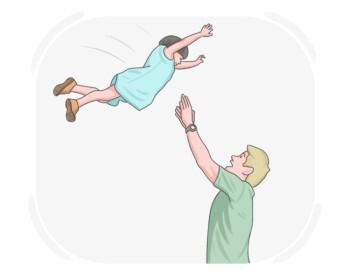
the strong belief that someone is honest or something is true and so we can count on them
اعتماد
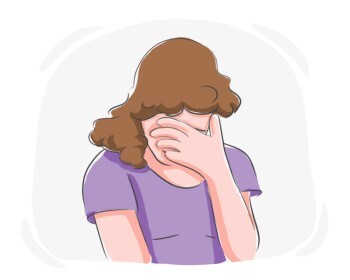
a painful feeling of embarrassment, guilt, or humiliation caused by one's own or another person's actions or circumstances
شرم, خجالت
a very strong feeling of dislike
نفرت
نفرت او از بیعدالتی او را به یک فعال تغییرات اجتماعی تبدیل کرد.
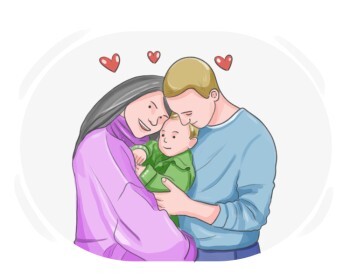
the very strong emotion we have for someone or something that is important to us and we like a lot and want to take care of
عشق
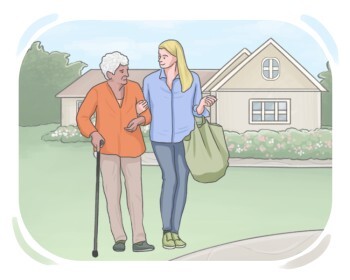
the quality of being caring toward people, animals, or plants
مهربانی
ماموریت سازمان ترویج مهربانی و دلسوزی نسبت به همه موجودات زنده است.
a feeling of care, concern, and understanding for someone who is suffering or experiencing difficulties
همدردی, دلسوزی
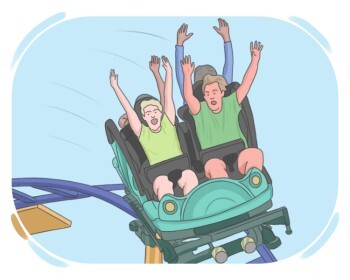
a feeling we get when somebody or something is funny and exciting
سرگرمی, خوشی
تماشای یک نمایش کمدی در تلویزیون ساعتها سرگرمی برای خانواده فراهم کرد.
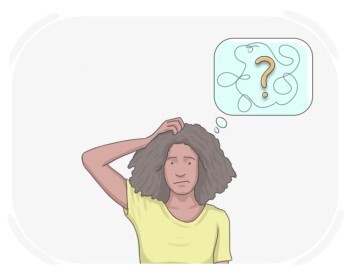
a state of being unable to think clearly or understand something
سردرگمی, گیجی
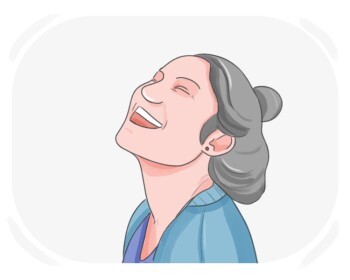
to make happy sounds and move our face like we are smiling because something is funny
خندیدن
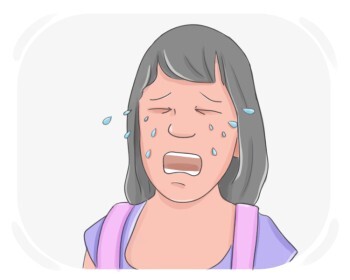
to have tears coming from your eyes as a result of a strong emotion such as sadness, pain, or sorrow
گریه کردن, گریستن
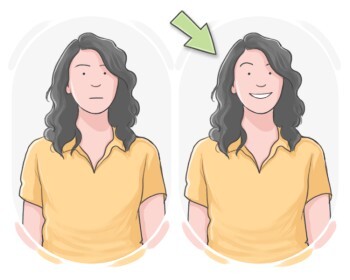
to make our mouth curve upwards, often in a way that our teeth can be seen, to show that we are happy or amused
لبخند زدن
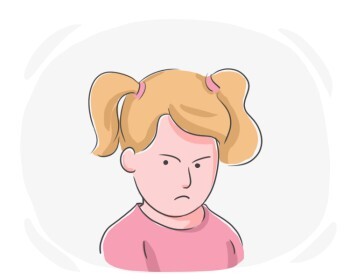
to bring the eyebrows together and wrinkle the forehead, especially to show anger, worry, confusion, or disapproval
اخم کردن, درهم کشیدن ابروها
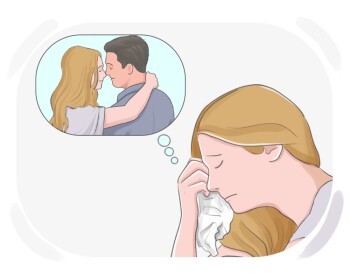
to feel sad because we no longer can see someone or do something
دلتنگ بودن
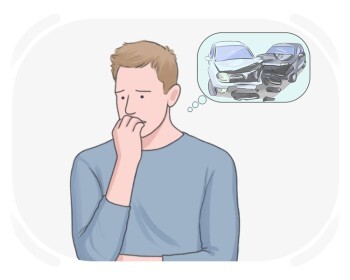
to feel upset and nervous because we think about bad things that might happen to us or our problems
نگران شدن, نگران بودن

to make someone feel mildly shocked
غافلگیر کردن, متعجب کردن، شگفتزده کردن
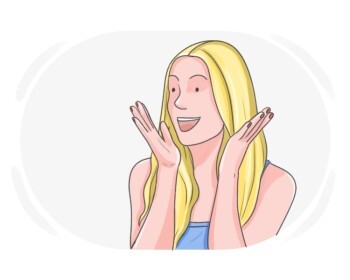
feeling or showing shock or amazement
متعجب, شگفتزده
او واقعاً تعجب کرده بود که چقدر ارائه خوب پیش رفته بود.