
Lista de Palabras Nivel A2 - Emociones
Aquí aprenderás algunas palabras en inglés sobre emociones, como "fear", "sadness", "anger", etc. preparadas para estudiantes de A2.
Revisión
Tarjetas de memoria
formas
Ortografía
Cuestionario

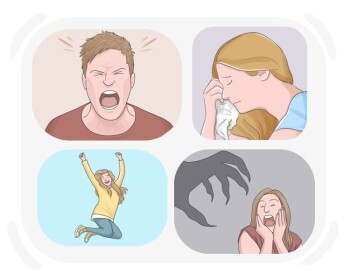
a strong feeling such as love, anger, etc.

emoción
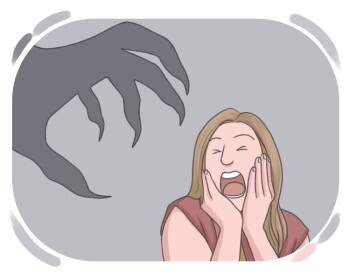
a bad feeling that we get when we are afraid or worried
miedo
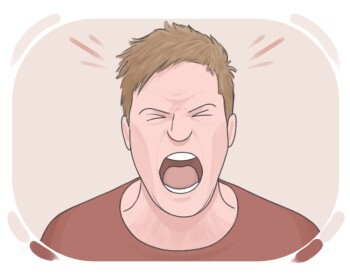
a strong feeling that we have when something bad has happened, so we might be unkind to someone or harm them
ira

the feeling of being sad and not happy
tristeza
La pérdida de su mascota trajo una tristeza abrumadora a toda la familia.

the feeling or state of being happy
alegría
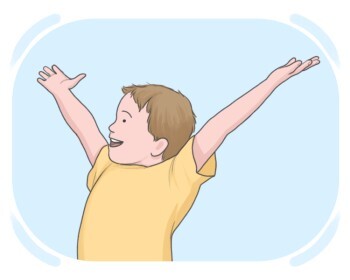
the feeling of great happiness
alegría
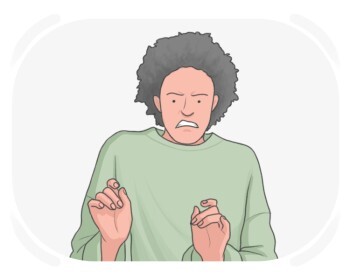
a strong feeling of distaste for someone or something
asco
El sabor de la leche en mal estado dejó una sensación persistente de asco en su boca.

a mild feeling of shock we have when something unusual happens
sorpresa
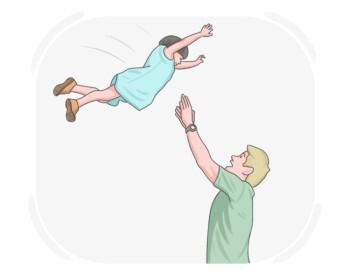
the strong belief that someone is honest or something is true and so we can count on them
confianza
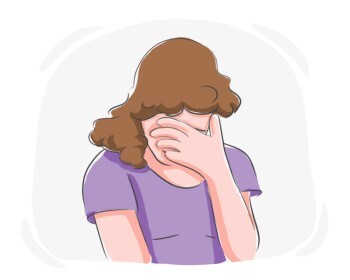
a painful feeling of embarrassment, guilt, or humiliation caused by one's own or another person's actions or circumstances
vergüenza
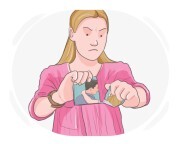
a very strong feeling of dislike
odio
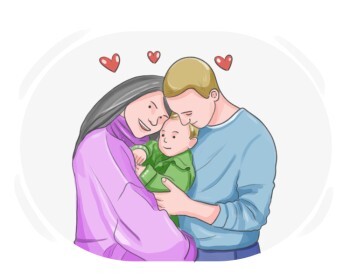
the very strong emotion we have for someone or something that is important to us and we like a lot and want to take care of
amor
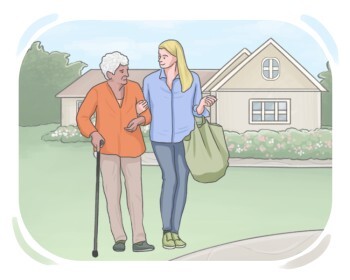
the quality of being caring toward people, animals, or plants
amabilidad
Ella mostró amabilidad hacia el gato callejero al proporcionarle comida y refugio.
a feeling of care, concern, and understanding for someone who is suffering or experiencing difficulties
solidaridad, apoyo
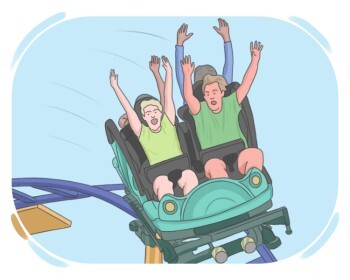
a feeling we get when somebody or something is funny and exciting
diversión
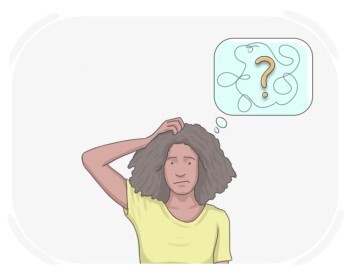
a state of being unable to think clearly or understand something
confusión

to make happy sounds and move our face like we are smiling because something is funny
reírse
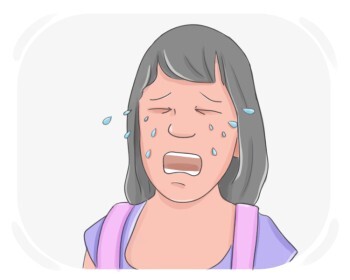
to have tears coming from your eyes as a result of a strong emotion such as sadness, pain, or sorrow
llorar
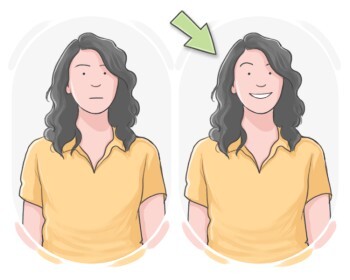
to make our mouth curve upwards, often in a way that our teeth can be seen, to show that we are happy or amused
sonreír
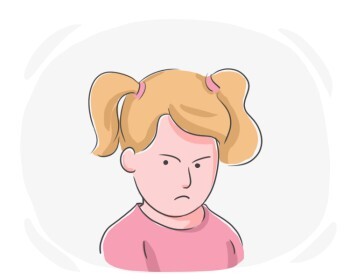
to bring the eyebrows together and wrinkle the forehead, especially to show anger, worry, confusion, or disapproval
fruncir el ceño, fruncir el entrecejo
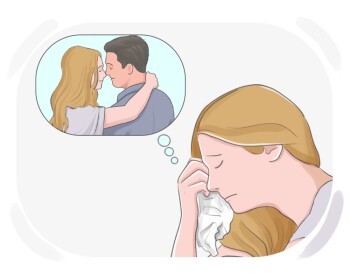
to feel sad because we no longer can see someone or do something
extrañar, echar de menos
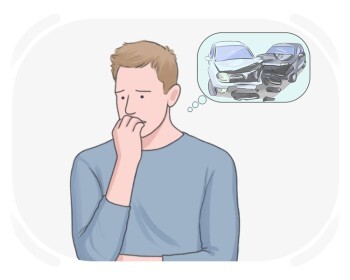
to feel upset and nervous because we think about bad things that might happen to us or our problems
preocuparse

to make someone feel mildly shocked
sorprender

feeling or showing shock or amazement
sorprendido
Actuó sorprendido, pero ya sabía del plan.
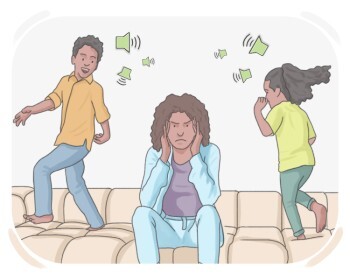
to make a person feel a little angry
molestar, fastidiar, enojar
El ruido constante la está molestando.
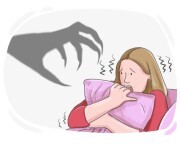
feeling frightened or anxious
asustado
El cachorro fue asustado por la tormenta y se escondió debajo de la cama.
