pattern

A2 수준 단어 목록 - 감정

기쁨, 슬픔, 두려움, 걱정, 흥분, 화 등 다양한 감정을 표현하는 A2 영어 단어와 형용사를 배워 보세요.

리뷰

플래시카드

형태

철자법

퀴즈

학습 시작
CEFR A2 Vocabulary
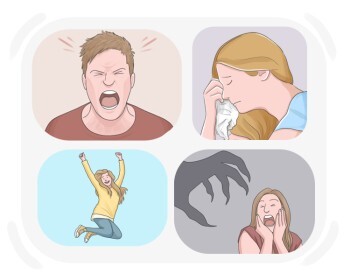
emotion
emotion
[명사]

a strong feeling such as love, anger, etc.

감정
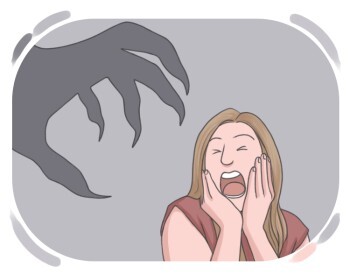
감정

Ex: Her voice was full of emotion as she spoke. 
닫기
로그인
fear
fear
[명사]

a bad feeling that we get when we are afraid or worried

두려움, 걱정

두려움, 걱정

Ex: She felt a sudden fear when she heard footsteps behind her. 
닫기
로그인
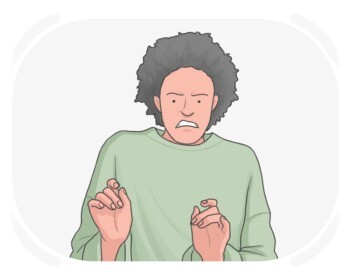
anger
anger
[명사]

a strong feeling that we have when something bad has happened, so we might be unkind to someone or harm them

분노, 화
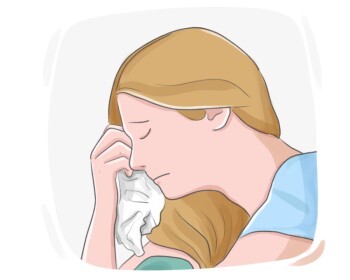
분노, 화

Ex: His anger grew as the argument continued. 
닫기
로그인
sadness
sadness
[명사]

the feeling of being sad and not happy

슬픔

슬픔

Ex: The loss of his pet brought overwhelming sadness to the entire family. 

그의 애완동물을 잃은 것은 가족 전체에게 압도적인 슬픔을 가져다주었다.

닫기
로그인
happiness
happiness
[명사]

the feeling or state of being happy

행복
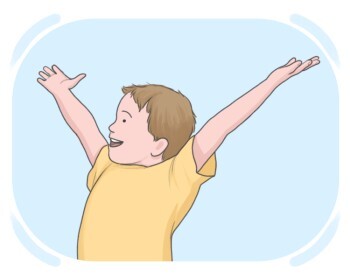
행복

Ex: Sarah's face was filled with happiness after hearing the good news. 
닫기
로그인
joy
joy
[명사]

the feeling of great happiness

기쁨, 환희

기쁨, 환희

Ex: She cried with joy when she heard the news. 
닫기
로그인
disgust
disgust
[명사]

a strong feeling of distaste for someone or something

혐오, 역겨움

혐오, 역겨움

Ex: The taste of the spoiled milk left a lingering sense of disgust in his mouth. 

상한 우유의 맛은 그의 입에 지속적인 역겨움을 남겼다.

닫기
로그인
surprise
surprise
[명사]

a mild feeling of shock we have when something unusual happens

놀라움
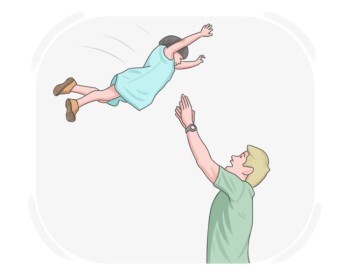
놀라움

Ex: She could not hide her surprise when she received the flowers. 
닫기
로그인
trust
trust
[명사]

the strong belief that someone is honest or something is true and so we can count on them

신뢰

신뢰

Ex: The child's trust in her parents was unwavering, knowing they would always be there for her. 
닫기
로그인
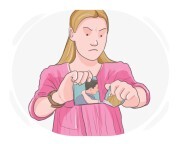
shame
shame
[명사]

a painful feeling of embarrassment, guilt, or humiliation caused by one's own or another person's actions or circumstances

수치심,  부끄러움
수치심, 부끄러움

Ex: To his shame, he had forgotten his friend's birthday. 
닫기
로그인
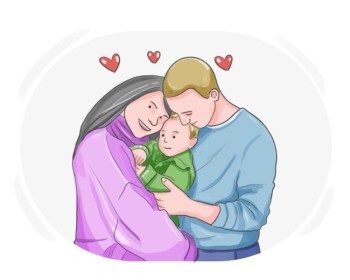
hatred
hatred
[명사]

a very strong feeling of dislike

증오, 혐오

증오, 혐오

Ex: The dictator's regime ruled with an iron fist, instilling fear and hatred among the citizens. 

독재자의 정권은 철권으로 통치하며 시민들 사이에 두려움과 증오를 심었습니다.
닫기
로그인
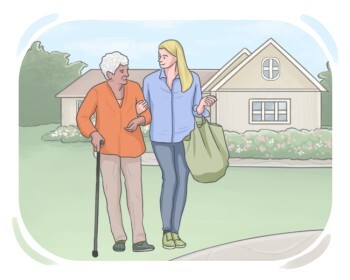
love
love
[명사]

the very strong emotion we have for someone or something that is important to us and we like a lot and want to take care of

사랑
사랑

Ex: She has a deep love for her family. 
닫기
로그인
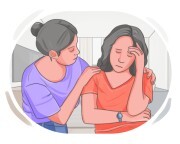
kindness
kindness
[명사]

the quality of being caring toward people, animals, or plants

친절, 자비

친절, 자비

Ex: She showed kindness to the stray cat by providing it with food and shelter. 

그녀는 길고양이에게 음식과 쉼터를 제공함으로써 친절을 보여주었습니다.
닫기
로그인
sympathy
sympathy
[명사]

a feeling of care, concern, and understanding for someone who is suffering or experiencing difficulties

동정,  연민
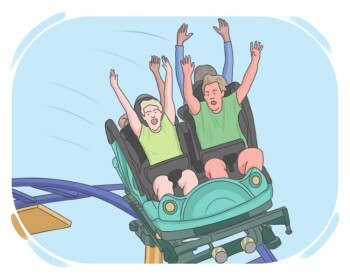
동정, 연민

Ex: Daniel showed little sympathy for his friend's situation. 
닫기
로그인
amusement
amusement
[명사]

a feeling we get when somebody or something is funny and exciting

오락, 즐거움

오락, 즐거움

Ex: The children squealed with delight and amusement as they played with their toys. 

아이들은 장난감을 가지고 놀면서 기쁨과 즐거움으로 비명을 질렀다.

닫기
로그인
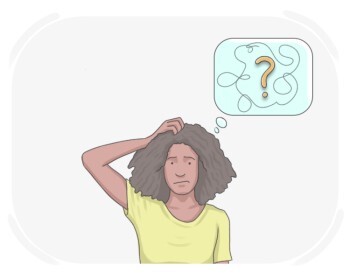
confusion
confusion
[명사]

a state of being unable to think clearly or understand something
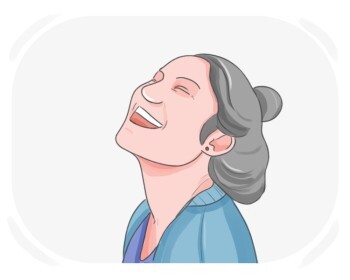
Ex: There is still considerable confusion about how the new system works. 
닫기
로그인
to laugh
to laugh
[동사]

to make happy sounds and move our face like we are smiling because something is funny

웃다, 폭소하다
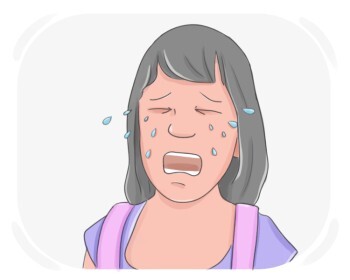
웃다, 폭소하다

Ex: Your reaction was so funny that I laughed for several minutes. 
닫기
로그인
to cry
to cry
[동사]

to have tears coming from your eyes as a result of a strong emotion such as sadness, pain, or sorrow

울다, 눈물을 흘리다
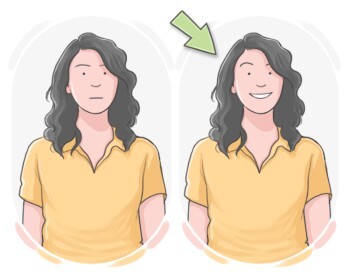
울다, 눈물을 흘리다

Ex: The little girl cried uncontrollably after losing her favorite toy. 
닫기
로그인
to smile
to smile
[동사]

to make our mouth curve upwards, often in a way that our teeth can be seen, to show that we are happy or amused

미소를 짓다
미소를 짓다

Ex: He smiled at me across the room. 
닫기
로그인
to frown
to frown
[동사]

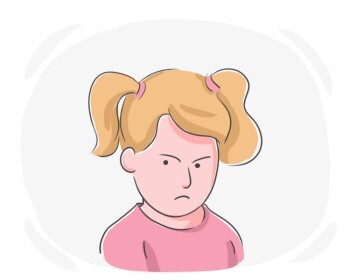
to bring the eyebrows together and wrinkle the forehead, especially to show anger, worry, confusion, or disapproval

눈살을 찌푸리다,  이마를 찌푸리다
눈살을 찌푸리다, 이마를 찌푸리다

Ex: He frowned at the noisy children across the room. 
닫기
로그인
to miss
to miss
[동사]

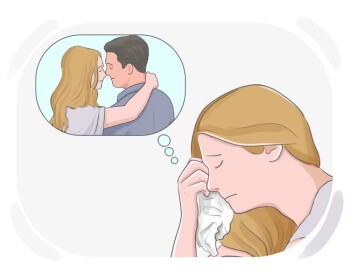
to feel sad because we no longer can see someone or do something

그리워하다, 보고 싶다
그리워하다, 보고 싶다

Ex: I really miss my family when I'm away. 
닫기
로그인
to worry
to worry
[동사]

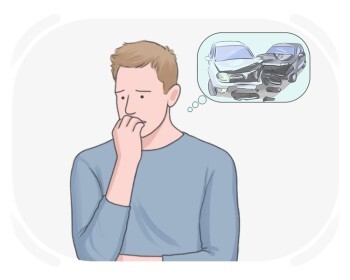
to feel upset and nervous because we think about bad things that might happen to us or our problems

걱정하다, 염려하다

걱정하다, 염려하다

Ex: Don't worry about things you cannot control. 
닫기
로그인
to surprise
to surprise
[동사]

to make someone feel mildly shocked

놀라게 하다, 깜짝 놀라게 하다

놀라게 하다, 깜짝 놀라게 하다

Ex: The unexpected news surprised her. 
닫기
로그인
surprised
surprised
[형용사]

feeling or showing shock or amazement

놀란, 깜짝 놀란

놀란, 깜짝 놀란

Ex: She was genuinely surprised at how well the presentation went. 

그녀는 프레젠테이션이 얼마나 잘 진행되었는지 진심으로 놀랐다.

닫기
로그인
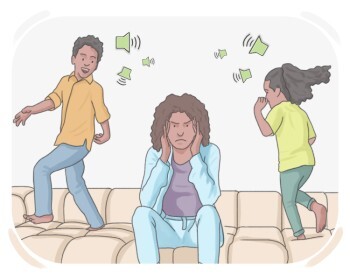
to annoy
to annoy
[동사]

to make a person feel a little angry

짜증나게 하다, 성가시게 하다

짜증나게 하다, 성가시게 하다

Ex: The ongoing noise is annoying her. 

계속되는 소음이 그녀를 짜증나게 하고 있다.

닫기
로그인
scared
scared
[형용사]

feeling frightened or anxious

겁에 질린, 두려운

겁에 질린, 두려운

Ex: He looked scared when he realized he had lost his wallet. 

지갑을 잃어버렸다는 것을 깨달았을 때 그는 겁에 질린 것처럼 보였다.

닫기
로그인
LanGeek
LanGeek 앱 다운로드