
Cambridge IELTS 18 - Academic - Test 1 - Écoute - Partie 4 (1)
Apprenez le vocabulaire de la première partie du Cambridge IELTS 18 Academic, Test 1 Listening Part 4, avec des mots et expressions utiles de cette section.
Réviser
Flashcards
formes
Orthographe
Quiz

to go and reside in a place as a permanent home

s’établir sur
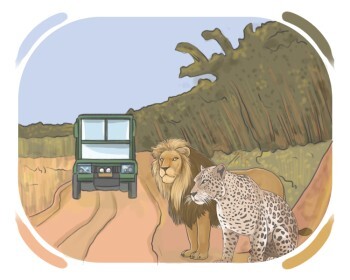
an area in which animals, etc. are protected
réserve
to complete or conduct a task, job, etc.
effectuer, accomplir une tâche ou un travail
Il est essentiel de effectuer une analyse approfondie des tendances du marché avant de lancer un nouveau produit.
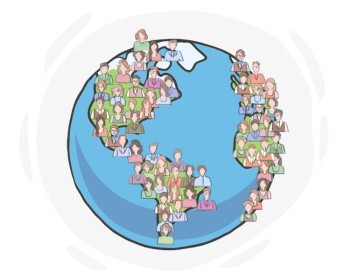
a situation where the number of people living in a particular area is more than the capacity of the environment to support them
surpopulation
Les gouvernements se concentrent sur des politiques pour résoudre le problème de surpopulation dans les zones rurales.
a small, pointed object designed to be thrown or shot, often used in games or hunting
fléchette, dard
Les fléchettes empoisonnées étaient utilisées par les chasseurs dans les temps anciens.
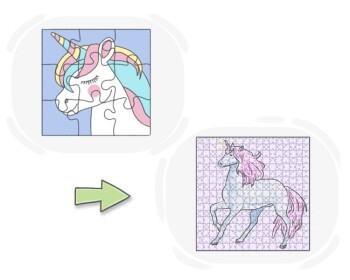
difficult to do or handle and requiring skill or caution
difficile, délicat
Résoudre un puzzle difficile nécessite une réflexion attentive et des compétences en résolution de problèmes.
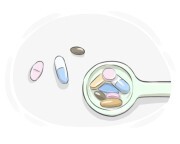
a measured amount of medicine or a drug taken or given at one time
dose
a medication that induces a state of calmness and relaxation, often prescribed to alleviate anxiety or promote sleep
tranquillisant, sédatif
Le pharmacien a expliqué l'utilisation correcte du tranquillisant prescrit.
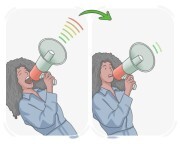
to reduce something to the lowest possible degree or amount, particularly something unpleasant
réduire au maximum, minimiser
L'équipe travaille actuellement à minimiser les erreurs dans la nouvelle version du logiciel.
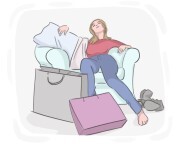
to fall or collapse suddenly and heavily, either intentionally or unintentionally
s'effondrer, tomber lourdement
L'enfant fatigué s'est effondré sur le lit après une journée de jeu, s'endormant instantanément.
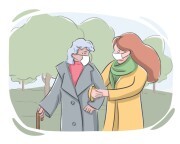
to look after or manage someone or something, ensuring their needs are met
s'occuper de
a state of dangerously inadequate oxygen caused by impaired breathing
suffocation, asphyxie
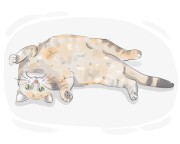
(of a person or animal) to be in a resting position on a flat surface, not standing or sitting
s'allonger, se coucher
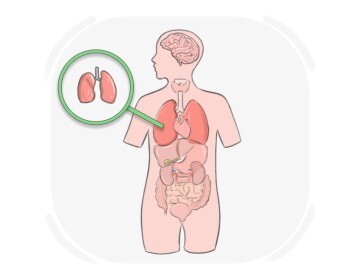
either of the two organs in the chest that allow people and many animals to breathe
poumon
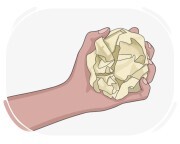
to become damaged, flattened, or deformed as a result of pressure
s'écraser, se froisser
the posture of the body and its limbs
posture, position
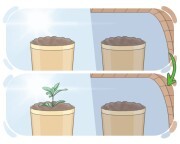
to be likely to develop or occur in a certain way because that is the usual pattern
avoir tendance, être enclin
an area under the protection of a government, where people can visit, for its wildlife, beauty, or historical sights
parc national
Yellowstone est le premier parc national aux États-Unis.
a group of organisms of the same species inhabiting a given area
population
to completely remove or destroy something so that it no longer exists
éliminer, anéantir
L'urbanisation rapide peut éliminer les habitats naturels de nombreuses espèces.
a person who illegally hunts or catches wildlife, typically for profit or personal gain
braconnier, chasseur illégal
Les braconniers ont décimé la population d'éléphants en Afrique pour leurs défenses en ivoire.
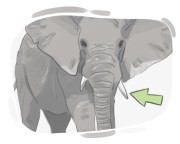
a hard smooth ivory colored dentine that makes up most of the tusks of elephants and walruses
ivoire, dentine ivoire
the activities carried out by individuals or organizations in ensuring that laws are obeyed, and offenders are brought to justice
application de la loi, maintien de l'ordre
Les agents de la loi ont arrêté le suspect.
to formally present a new law or proposal for discussion and consideration in a legislative body
présenter, proposer
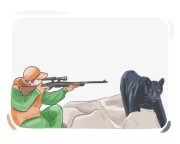
to illegally hunt, catch, or fish on another person's property or in prohibited areas
braconner, chasser illégalement
Les braconniers ont été pris avec des pièges illégaux, preuve de leurs tentatives de braconner des oiseaux dans la zone de conservation.

to grow, develop, or become successful very rapidly
prospérer, être en plein essor
the controlled reproduction of animals or plants, especially to produce offspring with desired characteristics
élevage
the rivalry between two or more organisms or species, as they actively compete for a scarce environmental resource
compétition, rivalité
to feel discomfort, distress, or unease due to a particular condition or situation
souffrir, endurer
beyond a certain point in space, indicating a greater distance from the starting location
plus loin
Le nouveau bâtiment est situé plus loin du campus principal que les structures plus anciennes.
away from one's usual place of residence
à l'étranger, loin de chez soi
De nombreux étudiants vont à l'étranger pour poursuivre des études supérieures.
in a regular or habitual manner, often following a fixed procedure or schedule
régulièrement, habituellement
Le médecin vérifie routinièrement les signes vitaux des patients pendant les rendez-vous.
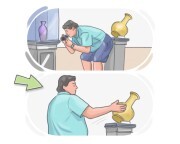
to cause something or someone to fall to the ground
faire tomber quelqu'un ou quelque chose au sol par un coup, mettre quelqu'un à terre d'un coup
Les vents forts ont renversé plusieurs arbres sur la route.
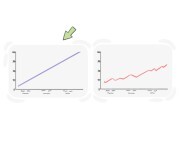
important or great enough to be noticed or have an impact
important
Ses contributions au projet ont été significatives pour en assurer le succès.
a large, unspecified number of something
douzaine, une multitude
Il y avait des dizaines d'oiseaux qui volaient au-dessus du lac.
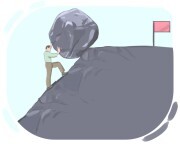
to try to complete or do something difficult
essayer, tenter
the act of applying or implementing an idea, theory, or plan into real-world actions or activities
pratique
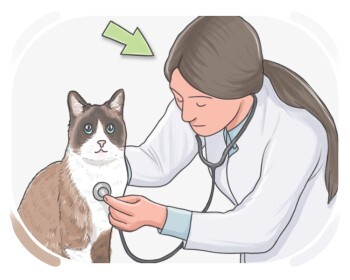
a doctor who is trained to treat animals
vétérinaire
Le vétérinaire a examiné le chien blessé et a administré un traitement approprié.
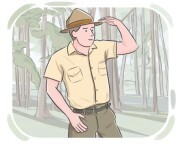
someone whose job is to take care of a forest, park, or an area of countryside
garde-forestier
En tant que gardien forestier, ses devoirs comprenaient la surveillance des sentiers et l'application des règlements de sécurité.
to aim or direct something, such as an action or effort, towards a specific goal or objective
viser, cibler
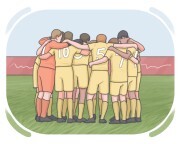
to gather people or things, often to organize or deal with them
rassembler, regrouper
La police a rassemblé les suspects lors du raid tôt le matin.
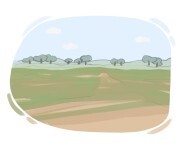
a vast area of flat land
plaine
the process of moving a person, animal, organism, or other thing from one place to another
translocation, transfert
to show or indicate the exact location of something
désigner, indiquer
to shoot a small, pointed object at an animal to give it medicine or make it sleep
tirer une fléchette, darder
