
Cambridge IELTS 17 - Academic - Test 2 - Lecture - Passage 2
Apprenez le vocabulaire du Cambridge IELTS 17 Academic, Test 2 Reading Passage 2, et révisez des mots et expressions utiles de ce texte de lecture.
Réviser
Flashcards
Orthographe
Quiz

the action or endeavor of trying to complete a task or achieve a goal, often one that is challenging

essai, tentative
La tentative des scientifiques de développer un remède a été couronnée de plusieurs percées.
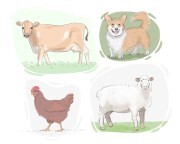
to change wild animals or plants for human use or cultivation
domestiquer
Les anciennes civilisations ont domestiqué des plantes comme le blé et le riz, les transformant en cultures de base pour l'agriculture.
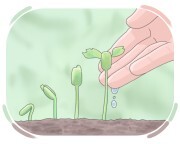
to grow plants or crops, especially for farming or commercial purposes
cultiver
Ils cultivent des fraises dans des serres pour les vendre au marché.
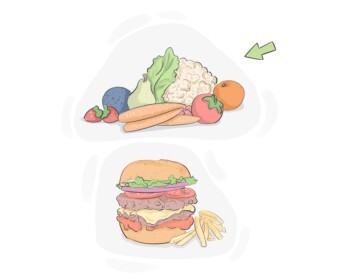
(of food) containing substances that are good for the growth and health of the body
nutritif
Elle a préparé un repas nutritif de saumon grillé et de légumes cuits à la vapeur pour le dîner.
to depend on someone or something for support and assistance
compter sur,se reposer sur
Il ne peut pas compter sur les transports en commun pour arriver à l'heure au travail, alors il a acheté une voiture.
causing or involving a complete, fundamental, or dramatic change
révolutionnaire,révolutionnaire
the complete set of genetic material of any living thing
génome
Le séquençage du génome de différents organismes aide les scientifiques à comprendre leurs relations évolutives et leur diversité génétique.

(biochemistry) a chemical substance that carries the genetic information, which is present in every cell and some viruses
ADN
Chaque molécule d'ADN est constituée de deux brins qui forment une forme de double hélice.
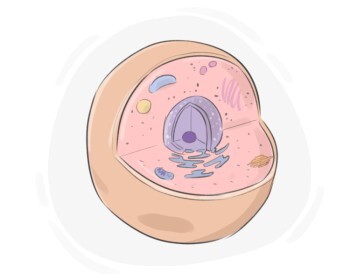
an organism's smallest unit, capable of functioning on its own
cellule
Les cellules peuvent être classées en deux catégories principales: les cellules procaryotes, dépourvues de noyau, et les cellules eucaryotes, qui possèdent un noyau enfermé dans une membrane.

to cause something to change
changer, modifier
Après avoir reçu des commentaires, elle a décidé de modifier sa présentation pour la rendre plus engageante.
a plant that is grown for food over large areas of land
culture
Le maïs est une culture vitale dans de nombreux pays à travers le monde.
pleasing and likely to arouse interest or desire
attirant, charmant
L'actrice avait un visage attrayant qui capturait le cœur du public à chaque performance.
the provided or available amount of something
réserve
Le gouvernement a mis en œuvre des mesures pour assurer un approvisionnement régulier en eau potable aux communautés rurales.
not easily affected by external influences or forces
résistant,imperméable
Ces plantes sont résistantes à la sécheresse, prospérant dans des conditions arides.
to cause extremely severe damage or destruction to a place, area, or environment
dévaster

safe or suitable for consumption as food
comestible
L'école a vérifié que toutes les collations fournies étaient comestibles.

a tall plant growing in Central America that produces yellow seeds, which are used in cooking
maïs
Dans le jardin de l'école, les élèves ont fièrement récolté le maïs qu'ils avaient planté.
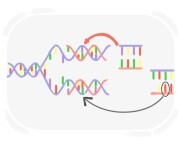
(biology) a change in the structure of the genes of an individual that causes them to develop different physical features
mutation
Les scientifiques étudient la mutation responsable de la résistance à la sécheresse de certaines plantes.
a distinguishing quality or characteristic, especially one that forms part of someone's personality or identity
trait, caractéristique
Sa gentillesse est un trait que tout le monde apprécie.
the state of including or containing many different types, characteristics, or elements
diversité
a genetic variant or subtype of a microorganism, typically within a species, that possesses distinct characteristics from other members of the same species
souche,variante
Les chercheurs étudient les souches bactériennes pour comprendre la résistance aux antibiotiques et développer des traitements efficaces.

to find a solution to a problem, often through analysis, experimentation, or mathematical calculation
résoudre,trouver une solution
Résoudre des problèmes de manière collaborative conduit souvent à de meilleures solutions.
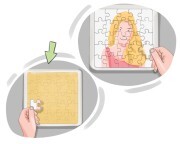
from the point at which something began
à partir de zéro, depuis le début
Elle a appris le français à partir de zéro.
a part of a living organism that is made up of cells and is designed to perform a specific function
structure,organe
La structure racinaire de la plante l'ancre dans le sol et absorbe l'eau.
to transmit traditions, knowledge, or skills from one generation to the next
transmettre quelque chose à la génération suivante ou à une autre personne, léguer quelque chose à quelqu'un d'autre
a chemical compound in plants, animals, or microbes that produces a characteristic color in cells or tissues
pigment,colorant naturel
Le plumage brillant de l'oiseau résulte d'une combinaison de pigments caroténoïdes déposés dans les plumes.

to make the amount, level, strength, or power of something greater
able to withstand particular environmental conditions or physiological stress
tolérant,résistant
Il cultive des cultures tolérantes au sol salin.
the point or degree to which something extends
étendue,ampleur
extending over a large area in an irregular or untidy way
étendu,dispersé
the general form or mode of growth (especially of a plant or crystal)
habitude,mode de croissance
a legal document that grants permission to do something that is otherwise restricted by law
licence, permis

creating and enforcing rules or regulations to control or govern a particular activity or industry
réglementaire
Le gouvernement a mis en œuvre de nouvelles mesures réglementaires pour protéger les consommateurs contre les pratiques frauduleuses.

not well known or widely recognized
obscur, méconnu
used or consumed regularly by many people as a fundamental part of daily life
de base,fondamental
Un costume noir est un élément fondamental de la garde-robe des professionnels.

the opinions, activities, or methods that are considered normal because they are accepted by a majority of people
courant principal, opinion majoritaire
La musique du groupe, autrefois considérée comme underground, fait désormais partie du grand public.
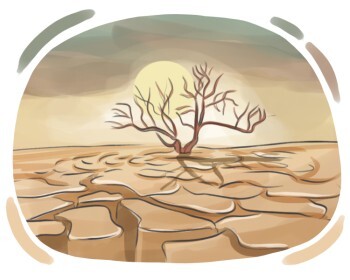
a long period of time when there is not much raining
sécheresse
La sécheresse a causé une grave perte de végétation.

(of an animal, child, or plant) to grow with strength, health, or energy
prospérer
Sous un bon ensoleillement et avec de l'eau, les plantes prospèrent dans le jardin.

to make previously unknown, hidden, or secret information known to others
révéler
a Latin phrase (or its abbreviation) used to indicate that special attention should be paid to something
nota bene,notez bien
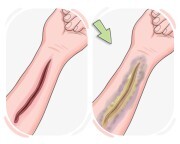
a condition in which harmful germs, such as bacteria or viruses, invade the body and cause harm, leading to symptoms such as fever, pain, and swelling
infection, contagion
Le médecin a prescrit des antibiotiques pour traiter l'infection de l'oreille.
to originate or come into being from a particular source or point
provenir,découler
Les cultures qui proviennent d'un sol bien entretenu poussent généralement plus vigoureusement.
in a manner that is related to genetics or genes
génétiquement
Le scientifique a étudié le trait génétiquement, explorant son origine dans l'ADN.
to change one's behavior or habits in order to deal successfully with a new situation or environment
s'adapter

the size, amount, or degree of one thing compared with another
échelle
Lors du choix d'une nouvelle voiture, il a considéré l'échelle de l'efficacité énergétique par rapport à la taille du véhicule.
better or recommended because it is wise in a given situation
conseillé,recommandé
Prendre une sauvegarde de vos fichiers est toujours recommandé.
to make partial changes to something, usually to improve it or make it more suitable
modifier
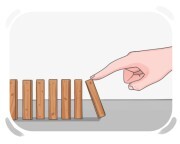
to cause a change in a person, thing, etc.
affecter
Le changement de temps peut affecter l'humeur et les niveaux d'énergie des gens.
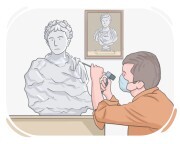
to copy the style, technique, or subject matter of another artist or artwork
imiter
Sa dernière sculpture a été conçue pour imiter les œuvres des artistes grecs classiques.
to develop a particular kind of animal or plant by choosing and mating specific ones to get certain qualities
élever,sélectionner
Le laboratoire élève des souris pour la recherche médicale.
a compact group of flowers or fruits growing together from a common point on a plant stem
to cause someone or something to rise quickly to a much higher level of success, importance, or attention
propulser,lancer
Leur performance les propulsera en finale.
within the range of a person's goals, plans, or ambitions
