
Cambridge IELTS 17 - Academic - Test 2 - Czytanie - Fragment 2
Ucz się słownictwa z Cambridge IELTS 17 Academic, Test 2 Reading Passage 2 i powtarzaj przydatne słowa i wyrażenia z tego tekstu do czytania.
Przegląd
Fiszki
formy
Pisownia
Test


the action or endeavor of trying to complete a task or achieve a goal, often one that is challenging

próba, wysiłek
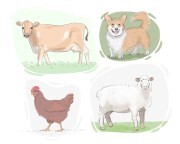
to change wild animals or plants for human use or cultivation
udomowić, oswoić
Proces udomowienia koni zrewolucjonizował transport i rolnictwo.
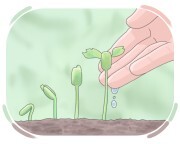
to grow plants or crops, especially for farming or commercial purposes
uprawiać, hodować
Firma uprawia kwiaty na eksport do różnych krajów.
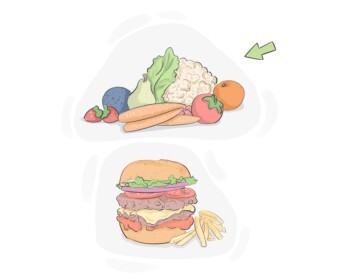
(of food) containing substances that are good for the growth and health of the body
odżywczy, pożywny
Spakował pożywne pudełko na lunch z kanapkami z pełnego ziarna, owocami i orzechami.
to depend on someone or something for support and assistance
polegać na, zależeć od
W kryzysie ludzie często polegają na swoich instynktach, aby podejmować szybkie decyzje.
causing or involving a complete, fundamental, or dramatic change
rewolucyjny, rewolucyjna
the complete set of genetic material of any living thing
genom
Genom muszki owocowej, Drosophila melanogaster, był szeroko badany jako model do zrozumienia zasad genetycznych.

(biochemistry) a chemical substance that carries the genetic information, which is present in every cell and some viruses
DNA, kwas deoksyrybonukleinowy
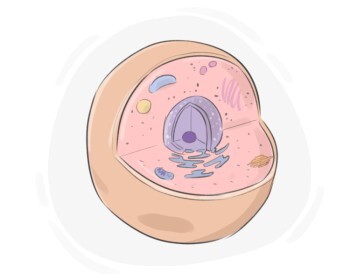
an organism's smallest unit, capable of functioning on its own
komórka

to cause something to change
zmieniać, modyfikować
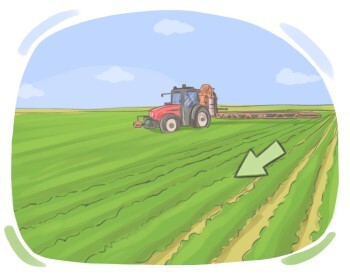
a plant that is grown for food over large areas of land
uprawa, plon
pleasing and likely to arouse interest or desire
atrakcyjny, pociągający
Jej ciepły, przyjazny uśmiech sprawiał, że była natychmiast atrakcyjna dla każdego, kogo spotkała.
the provided or available amount of something
zaopatrzenie, dostawa
not easily affected by external influences or forces
odporny, wodoodporny
Balsam do opalania jest odporny na wodę, co czyni go odpowiednim do pływania.
to destroy something completely
dewastować, niszczyć
Spowolnienia gospodarcze mogą zdziesiątkować małe firmy, które polegają na stałych wydatkach konsumentów.
safe or suitable for consumption as food
jadalny, nadający się do spożycia
Upewnij się, że mięso jest wystarczająco ugotowane, aby było jadalne.

a tall plant growing in Central America that produces yellow seeds, which are used in cooking
kukurydza, ziarno kukurydzy
Gdy letnie słońce zachodziło, rodzina zebrała się na podwórku, grillując szaszłyki z kukurydzy obok soczystych grillowanych mięs.
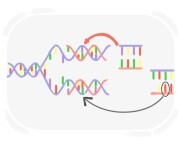
(biology) a change in the structure of the genes of an individual that causes them to develop different physical features
mutacja, zmiana genetyczna
Ryba wykazywała unikalny kształt płetwy, który później został zidentyfikowany jako wynik genetycznej mutacji.
a distinguishing quality or characteristic, especially one that forms part of someone's personality or identity
cecha, charakterystyka
Uczciwość to jedna z jej najbardziej podziwianych cech.
the state of including or containing many different types, characteristics, or elements
różnorodność, rozmaitość
a genetic variant or subtype of a microorganism, typically within a species, that possesses distinct characteristics from other members of the same species
szczep, wariant

to find a solution to a problem, often through analysis, experimentation, or mathematical calculation
rozwiązać, znaleźć rozwiązanie
On może szybko rozwiązać złożone problemy matematyczne.
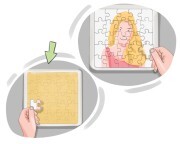
from the point at which something began
od zera, od początku
Założył swój biznes od zera.
a part of a living organism that is made up of cells and is designed to perform a specific function
struktura, narząd
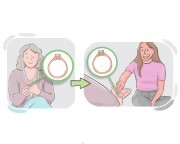
to transfer something to the next generation or another person
przekazać coś następnemu pokoleniu lub innej osobie, przekazać coś komuś w spadku
Mój ojciec przekazał mi ten zegarek.
a chemical compound in plants, animals, or microbes that produces a characteristic color in cells or tissues
pigment, barwnik naturalny
Czerwony pigment w pomidorach nasila się w miarę dojrzewania owocu i gromadzenia się likopenu.
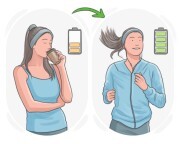
to increase the amount, level, strength, or power of something
zwiększać, podnosić
able to withstand particular environmental conditions or physiological stress
tolerancyjny, odporny
Zwierzęta odporne na surowe klimaty przetrwają na pustyniach.
the point or degree to which something extends
zakres, stopień
extending over a large area in an irregular or untidy way
rozległy, rozproszony
the general form or mode of growth (especially of a plant or crystal)
nawyk, sposób wzrostu
a legal document that grants permission to do something that is otherwise restricted by law
licencja, pozwolenie
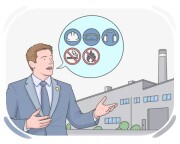
creating and enforcing rules or regulations to control or govern a particular activity or industry
regulacyjny, regulujący

not well known or widely recognized
niejasny, mało znany
used or consumed regularly by many people as a fundamental part of daily life
podstawowy, główny
Podstawowy produkt firmy jest znany ze swojej niezawodności i trwałości.
the opinions, activities, or methods that are considered normal because they are accepted by a majority of people
główny nurt, mainstream
Jego poglądy są dalekie od mainstreamu, często wywołując kontrowersje.
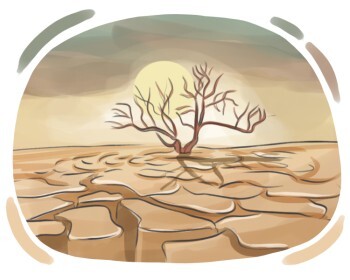
a long period of time when there is not much raining
susza, brak wody
Rząd ogłosił stan wyjątkowy z powodu suszy.

(of an animal, child, or plant) to grow with strength, health, or energy
rozkwitać, prosperować
W sprzyjającym środowisku dzieci mają tendencję do rozkwitu zarówno fizycznego, jak i emocjonalnego.

to make information that was previously unknown or kept in secrecy publicly known
ujawniać, odkrywać
a Latin phrase (or its abbreviation) used to indicate that special attention should be paid to something
nota bene, zauważ dobrze
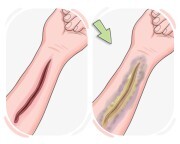
a condition in which harmful germs, such as bacteria or viruses, invade the body and cause harm, leading to symptoms such as fever, pain, and swelling
infekcja
to originate or come into being from a particular source or point
pochodzić, wynikać
in a manner that is related to genetics or genes
genetycznie, w sposób genetyczny
Cecha została określona genetycznie, pod wpływem genetycznej struktury jednostki.
to change one's behavior or habits in order to deal successfully with a new situation or environment
przystosować się, adaptować się

the size, amount, or degree of one thing compared with another
skala, rozmiar
better or recommended because it is wise in a given situation
wskazany, zalecany
Wcześniejsze przybycie jest zalecane, aby zapewnić sobie dobre miejsce.
to make partial changes to something, usually to improve it or make it more suitable
modyfikować
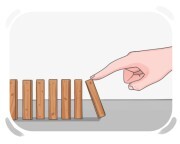
to cause a change in a person, thing, etc.
wpływać, zmieniać
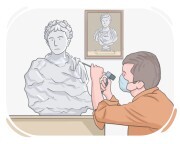
to copy the style, technique, or subject matter of another artist or artwork
naśladować, kopiować
Szef kuchni próbował naśladować prezentację dania z gwiazdką Michelin dla swojego menu.
to develop a particular kind of animal or plant by choosing and mating specific ones to get certain qualities
hodować, selekcjonować
a tight group of flowers or fruits that grow together on a single main stalk
grono, kiść
Roślina pomidora miała dużą kiść dojrzałych owoców.
to cause someone or something to rise quickly to a much higher level of success, importance, or attention
katapultować, wynieść
Ta jedna przemowa katapultowała go w politykę.
within the range of a person's goals, plans, or ambitions
