pattern

Cambridge IELTS 17 - Académico - Prueba 2 - Lectura - Pasaje 2

Aquí puedes encontrar el vocabulario del Test 2 - Lectura - Pasaje 2 del libro de curso Cambridge IELTS 17 - Academic, para ayudarte a preparar tu examen IELTS.

Revisión

Tarjetas de memoria

formas

Ortografía

Cuestionario
Empezar a aprender
Cambridge IELTS 17 - Academic
attempt
attempt
[Sustantivo]

the action or endeavor of trying to complete a task or achieve a goal, often one that is challenging

intento
intento

Ex: His attempt at cooking a gourmet meal resulted in a delicious dinner. 

Su intento de cocinar una comida gourmet resultó en una cena deliciosa.

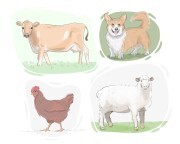
to domesticate

to change wild animals or plants for human use or cultivation

domesticar

domesticar

Ex: Cats were domesticated in ancient Egypt to control pests in grain stores. 

Los gatos fueron domesticados en el antiguo Egipto para controlar plagas en los almacenes de grano.
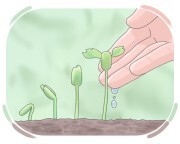
to cultivate

to grow plants or crops, especially for farming or commercial purposes

cultivar

cultivar

Ex: The region is known for cultivating rice in its fertile fields. 

La región es conocida por cultivar arroz en sus fértiles campos.
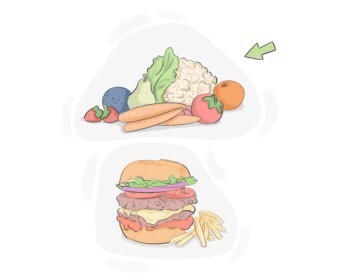
nutritious
nutritious
[Adjetivo]

(of food) containing substances that are good for the growth and health of the body

nutritivo, alimenticio

nutritivo, alimenticio

Ex: The smoothie was made with nutritious ingredients like spinach, berries, and yogurt. 

El batido estaba hecho con ingredientes nutritivos como espinacas, bayas y yogur.

to rely on
to rely on
[Verbo]

to depend on someone or something for support and assistance

contar con, depender de

contar con, depender de

Ex: Many students rely on scholarships to fund their education. 

Muchos estudiantes dependen de becas para financiar su educación.

revolutionary
revolutionary
[Adjetivo]

causing or involving a grand or fundamental change, particularly leading to major improvements

revolucionario

revolucionario

Ex: The adoption of renewable energy sources represents a revolutionary shift toward a more sustainable future. 

La adopción de fuentes de energía renovable representa un cambio revolucionario hacia un futuro más sostenible.

genome
genome
[Sustantivo]

the complete set of genetic material of any living thing

genoma

genoma

Ex: Researchers are studying the genome of the coronavirus to track its mutations and develop effective vaccines. 

Los investigadores están estudiando el genoma del coronavirus para rastrear sus mutaciones y desarrollar vacunas efectivas.

DNA
DNA
[Sustantivo]

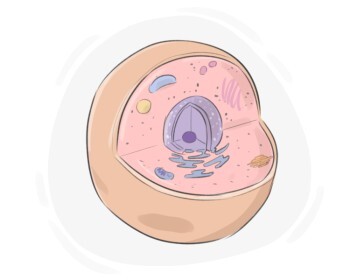
(biochemistry) a chemical substance that carries the genetic information, which is present in every cell and some viruses

ADN
ADN

Ex: DNA carries the information that determines traits like eye color and height. 

El ADN lleva la información que determina rasgos como el color de ojos y la altura.

cell
cell
[Sustantivo]

an organism's smallest unit, capable of functioning on its own

célula

célula

Ex: The discovery of cells and the development of cell theory by scientists such as Robert Hooke and Theodor Schwann revolutionized our understanding of living organisms. 

El descubrimiento de las células y el desarrollo de la teoría celular por científicos como Robert Hooke y Theodor Schwann revolucionaron nuestra comprensión de los organismos vivos.

to alter
to alter
[Verbo]

to cause something to change

modificar
modificar

Ex: A good haircut can completely alter one's appearance. 

Un buen corte de pelo puede alterar completamente la apariencia de una persona.

crop
crop
[Sustantivo]

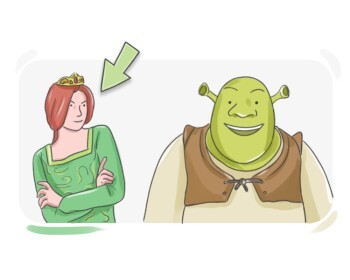
a plant that is grown for food over large areas of land

cultivo
cultivo

Ex: The crop of rice was abundant this year due to favorable weather conditions. 

La cosecha de arroz fue abundante este año debido a condiciones climáticas favorables.

appealing
appealing
[Adjetivo]

pleasing and likely to arouse interest or desire

atractivo, atrayente

atractivo, atrayente

Ex: Her bright smile and sparkling eyes made her instantly appealing to everyone she met. 

Su brillante sonrisa y sus ojos centelleantes la hacían instantáneamente atractiva para todos los que conocía.

fast-track
fast-track
[Adjetivo]

taking place or progressing faster than usual

vía rápida

vía rápida

supply
supply
[Sustantivo]

the provided or available amount of something

suministro

suministro

Ex: The company's supply chain was disrupted due to the delay in receiving raw materials. 

La cadena de suministro de la empresa se vio interrumpida debido al retraso en la recepción de materias primas.

resistant
resistant
[Adjetivo]

not easily affected by external influences or forces

resistente, impermeable

resistente, impermeable

Ex: The new alloy is resistant to high temperatures, making it ideal for aerospace applications. 

La nueva aleación es resistente a altas temperaturas, lo que la hace ideal para aplicaciones aeroespaciales.

to devastate

to destroy something completely

devastar, asolar

devastar, asolar

Ex: Economic downturns can devastate small businesses that rely on steady consumer spending. 

Las crisis económicas pueden devastar a las pequeñas empresas que dependen del gasto constante de los consumidores.

edible
edible
[Adjetivo]

safe or suitable for consumption as food

comestible

comestible

Ex: Some plants look pretty but are not edible. 

Algunas plantas lucen bonitas pero no son comestibles.

maize
maize
[Sustantivo]

a tall plant growing in Central America that produces yellow seeds, which are used in cooking

maíz

maíz

Ex: As the summer sun set, a family gathered in the backyard, grilling maize skewers alongside juicy grilled meats. 

Mientras el sol de verano se ponía, una familia se reunía en el patio trasero, asando brochetas de maíz junto a carnes asadas jugosas.
mutation
mutation
[Sustantivo]

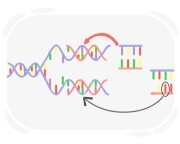
(biology) a change in the structure of the genes of an individual that causes them to develop different physical features

mutación

mutación

Ex: Due to a mutation in his genes, the child was born with blue eyes, even though both parents had brown eyes. 

Debido a una mutación en sus genes, el niño nació con ojos azules, aunque ambos padres tenían ojos marrones.

trait
trait
[Sustantivo]

a distinguishing quality or characteristic, especially one that forms part of someone's personality or identity

rasgo,  característica

rasgo, característica

Ex: Strong communication is a key trait for success in business. 

Una comunicación fuerte es un rasgo clave para el éxito en los negocios.

diversity
diversity
[Sustantivo]

the presence of a variety of distinct characteristics within a group

diversidad

diversidad

Ex: In our garden, the diversity of flowers creates a vibrant tapestry of colors and scents. 

En nuestro jardín, la diversidad de flores crea un tapiz vibrante de colores y aromas.

strain
strain
[Sustantivo]

a genetic variant or subtype of a microorganism, typically within a species, that possesses distinct characteristics from other members of the same species

cepa, variante

cepa, variante

Ex: Different strains of yeast are used in brewing beer to impart specific flavors and characteristics. 

Diferentes cepas de levadura se utilizan en la elaboración de cerveza para impartir sabores y características específicas.

to work out

to find a solution to a problem, often through analysis, experimentation, or mathematical calculation

resolver, encontrar una solución

resolver, encontrar una solución

Ex: He can quickly work out complex mathematical problems. 

Él puede resolver rápidamente problemas matemáticos complejos.

to reintroduce

introduce anew

reintroducir, presentar de nuevo

reintroducir, presentar de nuevo

from scratch

from the point at which something began

desde cero, desde el principio

desde cero, desde el principio

Ex: We rebuilt the system from scratch. 

Reconstruimos el sistema desde cero.

structure
structure
[Sustantivo]

a part of a living organism that is made up of cells and is designed to perform a specific function

estructura, órgano
estructura, órgano

Ex: The leaf's structure helps it absorb sunlight for photosynthesis. 

La estructura de la hoja le ayuda a absorber la luz solar para la fotosíntesis.

to pass down

to transfer something to the next generation or another person

transmitir, pasar

transmitir, pasar

Ex: The company's founder passed down his ethos and values to all his successors. 

El fundador de la empresa transmitió su ethos y valores a todos sus sucesores.

pigment
pigment
[Sustantivo]

a chemical compound in plants, animals, or microbes that produces a characteristic color in cells or tissues

pigmento, colorante natural

pigmento, colorante natural

Ex: Pathologists measured changes in skin pigment to monitor progression of the disorder. 

Los patólogos midieron los cambios en el pigmento de la piel para monitorear la progresión del trastorno.
to boost
to boost
[Verbo]

to increase or enhance the amount, level, or intensity of something

aumentar

aumentar

Ex: Adding fertilizer to the soil can boost the growth of plants and flowers. 

Añadir fertilizante al suelo puede aumentar el crecimiento de las plantas y las flores.

tolerant
tolerant
[Adjetivo]

able to withstand particular environmental conditions or physiological stress

tolerante, resistente

tolerante, resistente

Ex: This species is tolerant to high temperatures. 

Esta especie es tolerante a las altas temperaturas.

extent
extent
[Sustantivo]

the point or degree to which something extends

extensión, grado

extensión, grado

sprawling
sprawling
[Adjetivo]

spreading out in different directions or distributed irregularly

extendido, disperso

extendido, disperso

habit
habit
[Sustantivo]

the general form or mode of growth (especially of a plant or crystal)

hábito, modo de crecimiento

hábito, modo de crecimiento

licence
licence
[Sustantivo]

a legal document that grants permission to do something that is otherwise restricted by law

licencia,  permiso
licencia, permiso

regulatory
regulatory
[Adjetivo]

creating and enforcing rules or regulations to control or govern a particular activity or industry

regulador

regulador

Ex: The regulatory approval process for new drugs involves rigorous testing to assess their safety and efficacy. 

El proceso de aprobación regulatoria para nuevos medicamentos implica pruebas rigurosas para evaluar su seguridad y eficacia.

obscure
obscure
[Adjetivo]

not well-known or widely recognized

poco conocido, oscuro

poco conocido, oscuro

Ex: Many people are unaware of the obscure author who wrote the influential book that shaped modern literature. 

Mucha gente desconoce al autor oscuro que escribió el libro influyente que dio forma a la literatura moderna.

staple
staple
[Adjetivo]

used or consumed regularly by many people as a fundamental part of daily life

básico, fundamental

básico, fundamental

Ex: In Mediterranean cuisine, olive oil is a staple ingredient in many dishes. 

En la cocina mediterránea, el aceite de oliva es un ingrediente básico en muchos platos.

mainstream
mainstream
[Sustantivo]

the opinions, activities, or methods that are considered normal because they are accepted by a majority of people

corriente dominante

corriente dominante

Ex: His views are far from the mainstream, often sparking controversy. 

Sus opiniones están lejos de la corriente principal, a menudo generando controversia.
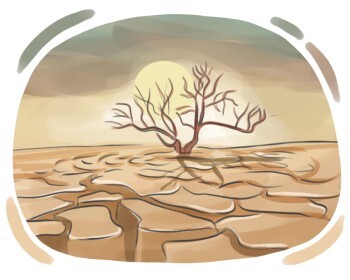
drought
drought
[Sustantivo]

a long period of time when there is not much raining

sequía

sequía

Ex: The farmers prayed for rain as the drought continued. 

Los agricultores rezaron por lluvia mientras continuaba la sequía.

to thrive
to thrive
[Verbo]

(of an animal, child, or plant) to grow with strength, health, or energy

prosperar

prosperar

Ex: The young lion thrived in the wild, becoming strong and majestic. 

El joven león prosperó en la naturaleza, volviéndose fuerte y majestuoso.

to reveal
to reveal
[Verbo]

to make information that was previously unknown or kept in secrecy publicly known

revelar

revelar

Ex: After years of speculation, the archaeologists finally revealed the hidden chamber beneath the pyramid. 

Después de años de especulación, los arqueólogos finalmente revelaron la cámara oculta debajo de la pirámide.

nota bene
nota bene
[Sustantivo]

a Latin phrase (or its abbreviation) used to indicate that special attention should be paid to something

nota bene, nótese bien
nota bene, nótese bien

infection
infection
[Sustantivo]

a condition in which harmful germs, such as bacteria or viruses, invade the body and cause harm, leading to symptoms such as fever, pain, and swelling

infección

infección

Ex: A flu infection can spread quickly in crowded environments like schools. 

Una infección de gripe puede propagarse rápidamente en entornos concurridos como las escuelas.

to arise
to arise
[Verbo]

to originate or come into being from a particular source or point

provenir, derivar

provenir, derivar

Ex: Creative ideas can arise from observing the natural world. 

Las ideas creativas pueden surgir de la observación del mundo natural.

genetically
genetically
[Adverbio]

in a manner that is related to genetics or genes

genéticamente

genéticamente

Ex: The disorder was analyzed genetically to identify any genetic mutations or abnormalities. 

El trastorno se analizó genéticamente para identificar cualquier mutación o anomalía genética.

to adapt
to adapt
[Verbo]

to adjust oneself to fit into a new environment or situation

adaptarse

adaptarse

Ex: It takes time to adapt to the changes in your daily routine. 

Lleva tiempo adaptarse a los cambios en tu rutina diaria.

scale
scale
[Sustantivo]

the size, amount, or degree of one thing compared with another

escala

escala

Ex: The scale of the forest fire was beyond anything the firefighters had ever encountered. 

La escala del incendio forestal superaba todo lo que los bomberos habían encontrado jamás.

advisable
advisable
[Adjetivo]

better or recommended because it is wise in a given situation

aconsejable, recomendable

aconsejable, recomendable

Ex: It may be advisable to consult a doctor before starting the treatment. 

Puede ser aconsejable consultar a un médico antes de comenzar el tratamiento.

to modify
to modify
[Verbo]

to alter or change the genetic makeup of an organism through genetic engineering techniques

modificar, alterar

modificar, alterar

Ex: In the lab, they modified the mosquito genome to reduce the spread of malaria. 

En el laboratorio, modificaron el genoma del mosquito para reducir la propagación de la malaria.

to affect
to affect
[Verbo]

to cause a change in a person, thing, etc.

afectar

afectar

Ex: The economic downturn is expected to affect businesses across various sectors. 

Se espera que la desaceleración económica afecte a las empresas de diversos sectores.

to mimic
to mimic
[Verbo]

to copy the style, technique, or subject matter of another artist or artwork

imitar

imitar

Ex: The band's early songs often mimicked the sound of their musical idols. 

Las primeras canciones de la banda a menudo imitaban el sonido de sus ídolos musicales.

to breed
to breed
[Verbo]

to develop a particular kind of animal or plant by choosing and mating specific ones to get certain qualities

criar, seleccionar

criar, seleccionar

Ex: Experts will breed plants that can survive cold weather. 

Los expertos criarán plantas que puedan sobrevivir al clima frío.

truss
truss
[Sustantivo]

a tight group of flowers or fruits that grow together on a single main stalk

racimo, tirso

racimo, tirso

Ex: He picked a truss of grapes from the garden. 

Cogió un racimo de uvas del jardín.

to catapult

to cause someone or something to rise quickly to a much higher level of success, importance, or attention

impulsar, lanzar

impulsar, lanzar

Ex: His invention catapulted him into the spotlight. 

Su invento lo catapultó al centro de atención.

in  {one's} sights

within the range of a person's goals, plans, or ambitions

Ex: The company has global markets in its sights. 
LanGeek
Descargar la aplicación LanGeek