
Vocabolario Avanzato per il GRE - Caratteristiche e attributi
Qui imparerai alcune parole inglesi su caratteristiche e attributi, come "fracasso", "privo", "appassionato", ecc. che sono necessari per l'esame GRE.
Revisione
Flashcard
Ortografia
Quiz

an insincere and unnatural manner of speaking, behaving, or writing that is intended to impress

affettazione
Il critico ha notato l'affettazione nella sua recitazione, criticando come ciò sminuisse l'autenticità della sua performance.
a combination or blend of different things
amalgama
Il romanzo è un amalgama di generi diversi, che combina elementi di mistero, romanticismo e fantascienza.
an unpleasant and loud noise that could be heard for an extended amount of time
tumulto
Mentre i bambini giocavano fuori, le loro grida e risate creavano un fracasso che si poteva sentire in tutto il quartiere.
an artful cleverness used to perform trickery, deception, and manipulation
astuzia
La sua astuzia era evidente quando ha manipolato la situazione per ottenere ciò che voleva.
the lack of seriousness that is wrongly suited to or respectful of the circumstances
leggerezza
Il suo tentativo di leggerezza durante la crisi ha solo reso la situazione più tesa.
to loudly complain about something or demand something
clamore
In classe, gli studenti iniziarono a reclamare a gran voce meno compiti, le loro voci diventando più forti.
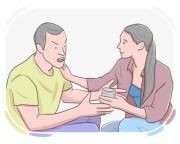
to do something that lessens someone's anger or sadness
placare
Il governo ha placato i manifestanti affrontando le loro preoccupazioni.
different from the usual and accepted way
aberranti
I modelli meteorologici di quest'anno sono stati aberranti per questa regione.
to behave in a wild, uncontrolled, and often violent manner
che schifo
behaving or acting in a way that is funny, energetic, or silly, it is usually annoying or strange
buffonate
I gesti buffi del clown hanno deliziato i bambini ma infastidito gli adulti.

(of clothes, colors, hairstyles etc.) enhancing the wearer's appearance and making them more attractive
grazioso
La collana elegante era lusinghiera e aggiungeva un tocco di grazia al suo abbigliamento.
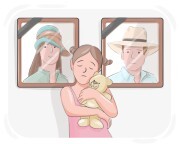
(of people) feeling very lonely and sorrowful, particularly as a result of a loss
addolorato
Perdere il lavoro l'ha lasciata sola e incerta riguardo al futuro.
(of situations) not giving any or much hope or encouragement
tetro
Le condizioni desolate del villaggio abbandonato raccontavano una storia di difficoltà.
(of a person) young and behaving in a manner that displays one's inexperience or immaturity
senza barba
Le tattiche inesperte della squadra furono facilmente superate dagli avversari.
easily angered or irritated
collerico
Il suo atteggiamento collerico spesso portava a situazioni tese nelle riunioni.
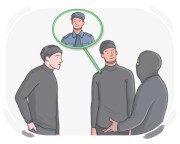
not displayed or acknowledged openly
occulto
Le azioni segrete dell'agente furono nascoste alla vista pubblica per garantire il successo della missione.
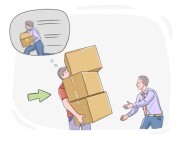
having a distrustful or negative outlook, often believing that people are motivated by self-interest
cinico
Affrontava ogni nuova opportunità con un atteggiamento cinico, aspettandosi di essere deluso.
lacking a regular or fixed pattern of movement
imprevedibile
Il percorso irregolare dell'auto sulla strada tortuosa rendeva difficile seguirla.
lacking deep thought and true understanding thus being superficial
semplice
Il suo approccio facile al progetto non ha tenuto conto delle sfide che si presentavano.
inseparable essential part or quality of someone or something that is in their nature
intrinseco
La libertà di espressione è un diritto inerente che dovrebbe essere protetto in una società democratica.
belonging to something or someone's character and nature
intrinseco
La motivazione intrinseca viene dall'interno e spinge le persone a raggiungere obiettivi personali.
(of senses) sharp and highly-developed
appassionato

new and unlike anything else
nuovo
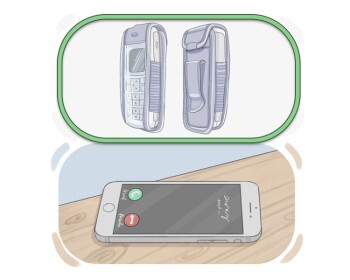
outdated and gone out of style, often replaced by more current trends or advancements
obsoleto
Molte tecnologie obsolete possono ancora essere trovate nei negozi di antiquariato.
most favorable or effective under specific conditions
ottimale
Una comunicazione chiara è la chiave per ottenere risultati ottimali nel lavoro di squadra.
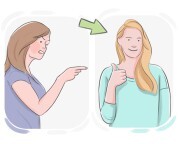
peaceful and calm, not easily excited, irritated, angered, or upset
placido
La sua natura placida gli ha permesso di affrontare le sfide inaspettate con facilità.
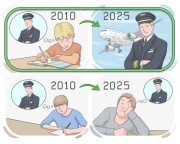
based on reasonable and practical considerations rather than theory
pragmatico, pratico
Di fronte a un problema complesso, l'ingegnere ha proposto una soluzione pragmatica che considerava sia l'efficienza che la fattibilità.
shy and not fond of being with others or being noticed
ritirato
Era conosciuta per i suoi modi riservati, uscendo sempre dalla stanza inosservata.
behaving in a playful, fun, and light-hearted way
frisky
La loro natura sportiva ha reso l'incontro più piacevole.
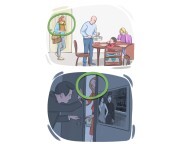
happening at exactly the best time possible
puntuale
L'arrivo tempestivo dell'ambulanza ha salvato la vita dell'escursionista ferito.
never having existed or happened before
precedenti
La nuova politica governativa ha portato cambiamenti senza precedenti nell'accessibilità sanitaria.

(of things) old but highly valued for the quality, excellent condition, or timeless design
classico
La sua collezione di gioielli vintage presentava pezzi di famiglia tramandati di generazione in generazione.
prone to unexpected and sudden changes, usually gets worse or dangerous
volatile
Il processo decisionale volatile del CEO ha causato instabilità all'interno dell'azienda.
driven by impulses and desires rather than logical necessity or reasoning
capriccioso
La sua decisione capricciosa di lasciare il lavoro e viaggiare per il mondo era guidata dal desiderio di libertà.
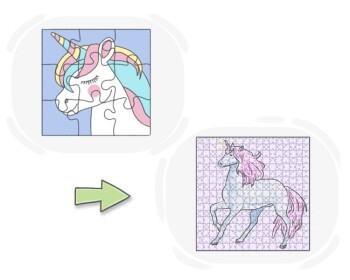
so detailed and complex that understanding becomes difficult
bizantino
Il codice fiscale bizantino era noto per la sua complessità, spesso richiedendo assistenza esperta per essere navigato.
