
Vocabulaire Avancé pour le GRE - Caractéristiques et Attributs
Ici, vous apprendrez quelques mots anglais sur les caractéristiques et les attributs, tels que "vacarme", "dépourvu", "enthousiaste", etc. qui sont nécessaires pour l'examen GRE.
Réviser
Flashcards
Orthographe
Quiz


an insincere and unnatural manner of speaking, behaving, or writing that is intended to impress

affectation
Tout le monde pouvait dire que la politesse qu'il montrait n'était qu'une affectation destinée à s'attirer les faveurs.
a combination or blend of different things
amalgame
Mélangeant les saveurs de l'Asie, de l'Europe et des Amériques, le nouveau restaurant offre un amalgame unique de cuisines.
an unpleasant and loud noise that could be heard for an extended amount of time
vacarme, tapage, chahut
La machinerie de l'usine générait un vacarme persistant qui rendait la conversation presque impossible.
an artful cleverness used to perform trickery, deception, and manipulation
ruse, malice, astuce
Lors des négociations, l'équipe a dû égaler la ruse de l'autre partie pour gagner un avantage.
the lack of seriousness that is wrongly suited to or respectful of the circumstances
manque de sérieux, légèreté
À la suite de l'accident, la légèreté que les dirigeants ont démontrée lors des interviews a ajouté l'insulte à la blessure.
to loudly complain about something or demand something
réclamer
Exigeant de meilleurs salaires, les travailleurs réclamaient bruyamment pendant la manifestation.
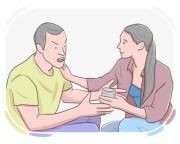
to do something that lessens someone's anger or sadness
amadouer, apaiser
La société a apaisé ses employés en leur offrant un bonus.
different from the usual and accepted way
aberrant
Elle portait une tenue aberrante à l'événement formel.
to behave in a wild, uncontrolled, and often violent manner
devenir incontrôlable, devenir fou furieux, devenir folle furieuse
behaving or acting in a way that is funny, energetic, or silly, it is usually annoying or strange
facétieux, facétieuse
Elle a fait une grimace antic pour remonter le moral de son amie.

(of clothes, colors, hairstyles etc.) enhancing the wearer's appearance and making them more attractive
seyant
Les accessoires bien choisis étaient flatteurs et lui donnaient un look chic sans effort.
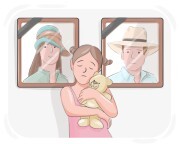
(of people) feeling very lonely and sorrowful, particularly as a result of a loss
endeuillé, démuni
L'enfant était privé de réconfort après la mort de l'animal de la famille.
(of situations) not giving any or much hope or encouragement
peu réjouissant, morne, peu prometteur
Leurs chances de gagner le match semblaient sombres après la blessure.
(of a person) young and behaving in a manner that displays one's inexperience or immaturity
novice, inexpérimenté, néophyte
Bien qu'il fût sincère, son approche naïve conduisait souvent à des malentendus.
easily angered or irritated
colérique, irascible
Même une petite erreur pourrait déclencher son tempérament colérique.
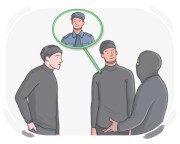
not displayed or acknowledged openly
secret
Elle a employé une stratégie discrète pour éviter d'alerter ses concurrents.
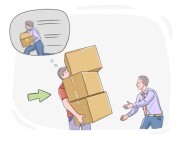
having a distrustful or negative outlook, often believing that people are motivated by self-interest
cynique
Ses remarques cyniques sur la politique reflétaient sa méfiance à l'égard des politiciens et de leurs motivations.
lacking a regular or fixed pattern of movement
imprévisible, incohérent
Le balancement erratique du bateau a fait que de nombreux passagers ont eu le mal de mer.
lacking deep thought and true understanding thus being superficial
simpliste, superficiel, superficielle
Son analyse du problème était trop superficielle et n'abordait pas les causes sous-jacentes.
inseparable essential part or quality of someone or something that is in their nature
inhérent, intrinsèque
Les risques inhérents à l'investissement en bourse doivent être soigneusement pris en compte.
belonging to something or someone's character and nature
intrinsèque, propre
Sa gentillesse était intrinsèque ; elle se souciait sincèrement d'aider les autres.
(of senses) sharp and highly-developed
affûté, vif

new and unlike anything else
nouveau
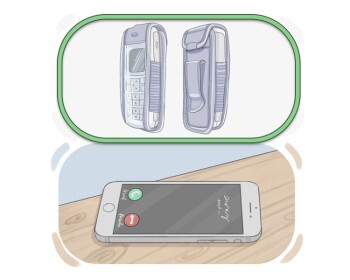
outdated and gone out of style, often replaced by more current trends or advancements
obsolète, désuet
Le design de la voiture semblait obsolète par rapport aux modèles élégants et modernes sur le marché.
most favorable or effective under specific conditions
optimal
Ajuster les paramètres à des niveaux optimaux a amélioré les performances de la machine.
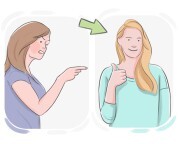
peaceful and calm, not easily excited, irritated, angered, or upset
placide, calme, serein
Il a parlé d'un ton placide, sans jamais élever la voix.
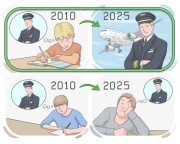
based on reasonable and practical considerations rather than theory
pragmatique
L'équipe a adopté une stratégie pragmatique, en se concentrant sur des objectifs pratiques et réalisables pour respecter les délais du projet.
shy and not fond of being with others or being noticed
réservé, réservée, effacé
L'étudiant timide était assis tranquillement au fond de la salle de classe.
behaving in a playful, fun, and light-hearted way
enjoué
Elle avait un esprit sportif qui la rendait populaire dans les fêtes.
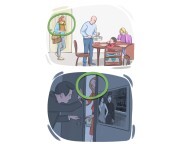
happening at exactly the best time possible
opportun, opportune
L'intervention opportune de l'enseignant a évité un conflit potentiel entre les élèves.
never having existed or happened before
sans précédent
La vague de chaleur sans précédent a entraîné des températures record dans toute la région.
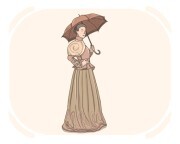
(of things) old but highly valued for the quality, excellent condition, or timeless design
classique, vintage, de collection, ancien, ancienne, rétro
Sa robe vintage, avec sa dentelle complexe et sa silhouette intemporelle, incarnait l'élégance de la mode des années 1950.
prone to unexpected and sudden changes, usually gets worse or dangerous
explosif
Son humeur est si volatile que personne ne sait quand il va exploser.
driven by impulses and desires rather than logical necessity or reasoning
capricieux
La nature capricieuse de ses actions la rendait imprévisible.
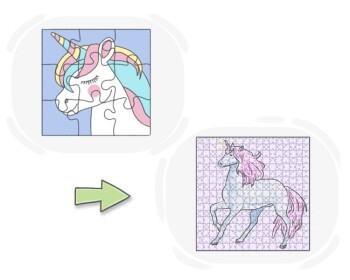
so detailed and complex that understanding becomes difficult
byzantin, recherché
Les réglementations byzantines du système juridique rendaient presque impossible pour les citoyens ordinaires de s'y retrouver.
