pattern

Il libro Four Corners 3 - Unità 2 Lezione C

Qui troverai il vocabolario dell'Unità 2 Lezione C del libro di corso Four Corners 3, come "disgusto", "divertito", "noia", ecc.

Revisione

Flashcard

forme

Ortografia

Quiz

Inizia a imparare
Four Corners 3
to disgust
to disgust
[Verbo]

to make someone feel upset, shocked, and sometimes offended about something

disgustare

disgustare

Ex: The offensive language used by the comedian disgusted many audience members. 

Il linguaggio offensivo usato dal comico ha disgustato molti membri del pubblico.

Chiudi
Accedi
disgusting
disgusting
[aggettivo]

extremely unpleasant

disgustoso

disgustoso

Ex: The disgusting behavior of the bullies made the other students feel uncomfortable. 

Il comportamento disgustoso dei bulli ha fatto sentire a disagio gli altri studenti.

Chiudi
Accedi
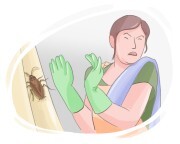
disgusted
disgusted
[aggettivo]

having or displaying great dislike for something

disgustato

disgustato

Ex: She felt disgusted by the dirty conditions of the public restroom. 

Si è sentita disgustata dalle condizioni sporche del bagno pubblico.
Chiudi
Accedi
to frighten

to cause a person or animal to feel scared

impaurire

impaurire

Ex: The unexpected sound of footsteps behind her frightened the woman walking alone at night. 
Chiudi
Accedi
frightening
frightening
[aggettivo]

causing one to feel fear

spaventoso

spaventoso

Ex: It was a frightening thought to think of living alone. 

Era un pensiero spaventoso pensare di vivere da soli.

Chiudi
Accedi
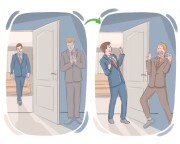
frightened
frightened
[aggettivo]

feeling afraid, often suddenly, due to danger, threat, or shock

spaventato

spaventato

Ex: She felt frightened by the ominous warnings of an approaching storm. 

Si sentì spaventata dai sinistri avvertimenti di una tempesta in arrivo.
Chiudi
Accedi
to embarrass

to make a person feel ashamed, uneasy, or nervous, especially in front of other people

imbarazzare

imbarazzare

Ex: Public speaking often embarrasses people, but with practice, it can become more comfortable. 

Parlare in pubblico spesso imbarazza le persone, ma con la pratica può diventare più confortevole.

Chiudi
Accedi
embarrassing
embarrassing
[aggettivo]

causing a person to feel ashamed or uneasy

imbarazzante

imbarazzante

Ex: Being caught in a lie can lead to an embarrassing situation. 

Essere colti in una bugia può portare a una situazione imbarazzante.

Chiudi
Accedi
embarrassed
embarrassed
[aggettivo]

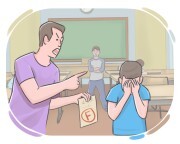
feeling ashamed and uncomfortable because of something that happened or was said

imbarazzato

imbarazzato

Ex: He was clearly embarrassed by the mistake he made. 

Era chiaramente imbarazzato per l'errore che aveva commesso.

Chiudi
Accedi
to challenge

to invite someone to compete or strongly suggest they should do something, often to test their abilities or encourage action

sfidare

sfidare

Ex: By this time, they have challenged each other in numerous debates. 
Chiudi
Accedi
challenging
challenging
[aggettivo]

difficult to accomplish, requiring skill or effort

impegnativo

impegnativo

Ex: Completing the obstacle course was challenging, pushing participants to their physical limits. 

Completare il percorso a ostacoli è stato impegnativo, spingendo i partecipanti ai loro limiti fisici.

Chiudi
Accedi
to excite
to excite
[Verbo]

to make a person feel interested or happy, particularly about something that will happen soon

eccitare

eccitare

Ex: The sight of snowflakes falling excited residents, heralding the arrival of winter. 

La vista dei fiocchi di neve che cadevano eccitava i residenti, annunciando l'arrivo dell'inverno.

Chiudi
Accedi
exciting
exciting
[aggettivo]

making us feel interested, happy, and energetic

eccitante

eccitante

Ex: They're going on an exciting road trip across the country next summer. 

Stanno per fare un emozionante viaggio in macchina attraverso il paese la prossima estate.

Chiudi
Accedi
excited
excited
[aggettivo]

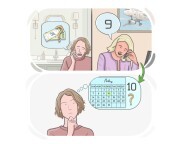
feeling very happy, interested, and energetic

eccitato, very happy and full of energy
eccitato, very happy and full of energy

Ex: They were excited to try the new roller coaster at the theme park. 
Chiudi
Accedi
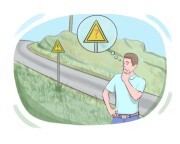
to confuse
to confuse
[Verbo]

to mistake one person or thing for another or fail to distinguish between them

confondere
confondere

Ex: Students sometimes confuse these two grammatical terms. 
Chiudi
Accedi
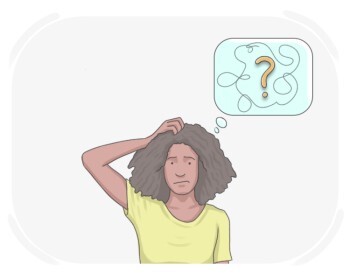
confusing
confusing
[aggettivo]

not clear or easily understood

confuso

confuso

Ex: The user interface of the app was confusing, making it difficult for users to navigate. 

L'interfaccia utente dell'app era confusa, rendendo difficile la navigazione per gli utenti.
Chiudi
Accedi
confused
confused
[aggettivo]

feeling uncertain or not confident about something because it is not clear or easy to understand

confuso

confuso

Ex: The instructions were so unclear that they left everyone feeling confused. 

Le istruzioni erano così poco chiare che hanno lasciato tutti confusi.

Chiudi
Accedi
to amuse
to amuse
[Verbo]

to make one's time enjoyable by doing something that is interesting and does not make one bored

divertire, intrattenere

divertire, intrattenere

Ex: She amused herself by reading a funny book on her commute. 

Si divertiva leggendo un libro divertente durante il suo tragitto.

Chiudi
Accedi
amusing
amusing
[aggettivo]

providing enjoyment or laughter

divertente

divertente

Ex: Reading funny comics is an amusing hobby that helps relieve stress. 

Leggere fumetti divertenti è un hobby divertente che aiuta ad alleviare lo stress.

Chiudi
Accedi
amused
amused
[aggettivo]

feeling entertained or finding something funny or enjoyable

divertire

divertire

Ex: His amused expression showed that he found the joke funny. 

La sua espressione divertita mostrava che trovava la battuta divertente.

Chiudi
Accedi
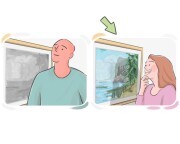
to interest

to find something attractive enough to want to know about it more or keep doing it

interesse
interesse

Ex: The potential career opportunities in technology interest many young professionals. 
Chiudi
Accedi
interesting
interesting
[aggettivo]

catching and keeping our attention because of being unusual, exciting, etc.

interessante

interessante

Ex: The teacher made the lesson interesting by including interactive activities. 

L'insegnante ha reso la lezione interessante includendo attività interattive.

Chiudi
Accedi
interested
interested
[aggettivo]

having a feeling of curiosity or attention toward a particular thing or person because one likes them

interessarsi di

interessarsi di

Ex: The children were very interested in the magician's tricks. 

I bambini erano molto interessati ai trucchi del mago.

Chiudi
Accedi
to surprise

to make someone feel mildly shocked

sorprendero

sorprendero

Ex: Walking into the room, the bright decorations and cheering friends truly surprised him. 
Chiudi
Accedi
surprising
surprising
[aggettivo]

causing a feeling of shock, disbelief, or wonder

sorprendente

sorprendente

Ex: The test results were surprising to the teacher. 

I risultati del test sono stati sorprendenti per l'insegnante.

Chiudi
Accedi
surprised
surprised
[aggettivo]

feeling or showing shock or amazement

sorpreso

sorpreso

Ex: They seemed genuinely surprised by the unexpected news. 

Sembravano genuinamente sorpresi dalla notizia inaspettata.

Chiudi
Accedi
to bore
to bore
[Verbo]

to do something that causes a person become uninterested, tired, or impatient

annoiare

annoiare

Ex: She has bored herself by staying indoors all day. 
Chiudi
Accedi
boring
boring
[aggettivo]

making us feel tired and unsatisfied because of not being interesting

noioso

noioso

Ex: The TV show was boring, so I switched the channel. 
Chiudi
Accedi
bored
bored
[aggettivo]

tired and unhappy because there is nothing to do or because we are no longer interested in something

annoiato

annoiato

Ex: The teacher's monotonous voice made the students feel bored. 

La voce monotona dell'insegnante ha fatto sentire gli studenti annoiati.

Chiudi
Accedi
LanGeek
Scarica l'app LanGeek