
Kniha Four Corners 3 - Jednotka 2 Lekce C
Zde najdete slovní zásobu z jednotky 2 lekce C v učebnici Four Corners 3, jako je "znechucení", "pobavený", "nuda" atd.
Revize
Kartičky
tvary
Pravopis
Kvíz

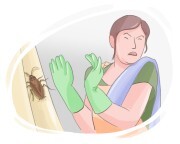
to make someone feel upset, shocked, and sometimes offended about something

zhnusit, pohoršit
Útočný jazyk používaný komikem znechutil mnoho členů publika.

extremely unpleasant
nechutný, odporný
Myšlenka jíst hmyz může být pro některé chutná, ale pro jiné je to naprosto odporné.
having or displaying great dislike for something
znechucený, odporný
Byli znechuceni nelidským zacházením se zvířaty na tovární farmě.
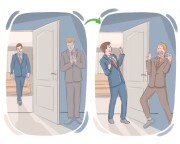
to cause a person or animal to feel scared
vyděsit, polekat
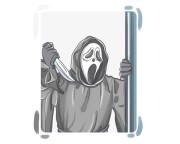
causing one to feel fear
děsivý, strašidelný
Děsivý hluk ji přiměl vyskočit.
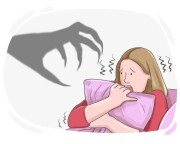
feeling afraid, often suddenly, due to danger, threat, or shock
vystrašený, vyděšený
Cítila se vyděšená, když slyšela podivné zvuky za svým oknem.
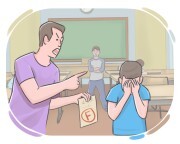
to make a person feel ashamed, uneasy, or nervous, especially in front of other people
zahanbit, uvést do rozpaků
Veřejné mluvení často zneklidňuje lidi, ale s praxí to může být pohodlnější.
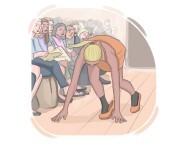
causing a person to feel ashamed or uneasy
trapný, rozpačitý
Jeho trapné uklouznutí na banánové slupce před všemi ho přimělo zčervenat hanbou.

feeling ashamed and uncomfortable because of something that happened or was said
rozpačitý, zahanbený
Byl očividně rozpačitý z chyby, kterou udělal.
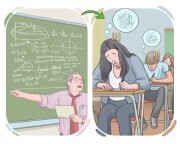
to invite someone to compete or strongly suggest they should do something, often to test their abilities or encourage action
vyzvat, pobízet k akci

difficult to accomplish, requiring skill or effort
náročný, obtížný
Dokončení překážkové dráhy bylo náročné, což účastníky přivedlo na hranice jejich fyzických možností.
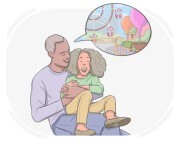
to make a person feel interested or happy, particularly about something that will happen soon
vzrušit, nadchnout
Pohled na padající sněhové vločky vzrušil obyvatele a ohlašoval příchod zimy.
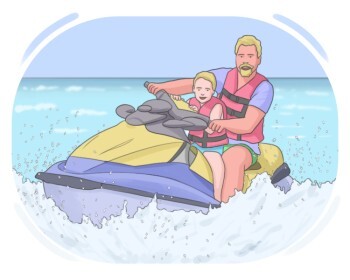
making us feel interested, happy, and energetic
vzrušující, nadšený
Příští léto se vydají na vzrušující cestu po celé zemi.

feeling very happy, interested, and energetic
nadšený,vzrušený, very happy and full of energy
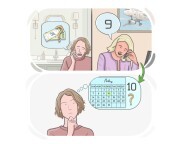
to mistake one person or thing for another or fail to distinguish between them
plést si, zaměňovat
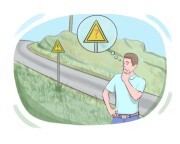
not clear or easily understood
matoucí, nejasný
Pokyny k sestavení nábytku byly matoucí a vedly k několika chybám.
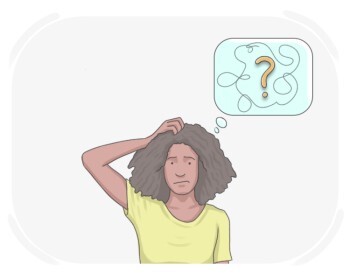
feeling uncertain or not confident about something because it is not clear or easy to understand
zmatený, nejistý
Pokyny byly tak nejasné, že všichni zůstali zmatení.
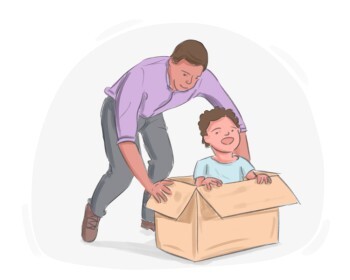
to make one's time enjoyable by doing something that is interesting and does not make one bored
bavit, pobavit
Bavila se čtením vtipné knihy při své cestě.
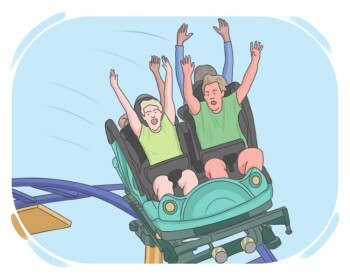
providing enjoyment or laughter
zábavný, legrační
Zábavné kousky klauna rozesmály děti nekontrolovatelně.
feeling entertained or finding something funny or enjoyable
pobavený, bavený
Pobavené chichotání publika zaplnilo divadlo během komediální show.

to find something attractive enough to want to know about it more or keep doing it
zajímat, uchvátit
catching and keeping our attention because of being unusual, exciting, etc.
zajímavý, poutavý
Učitel udělal lekci zajímavou zahrnutím interaktivních aktivit.
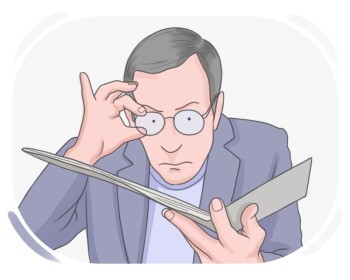
having a feeling of curiosity or attention toward a particular thing or person because one likes them
zaujatý, zvědavý
Děti byly velmi zajímavé o kouzelnické triky.
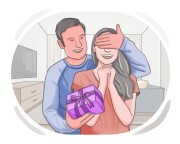
to make someone feel mildly shocked
překvapit, udivit
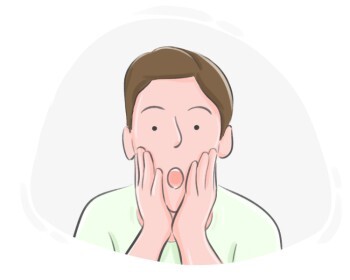
causing a feeling of shock, disbelief, or wonder
překvapující, úžasný
Jeho náhlé rozhodnutí opustit práci bylo docela překvapivé.

feeling or showing shock or amazement
překvapený, ohromený
Vypadala překvapeně, když jí uspořádali narozeninovou oslavu.

to do something that causes a person become uninterested, tired, or impatient
nudit, unavit
making us feel tired and unsatisfied because of not being interesting
nudný, únavný
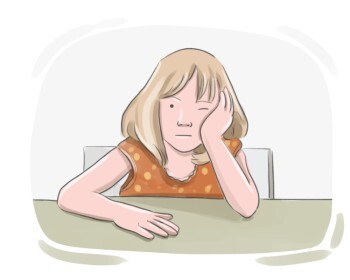
tired and unhappy because there is nothing to do or because we are no longer interested in something
znuděný, unavený
Je znuděný, protože doma nemá co dělat.
