pattern

El libro Four Corners 3 - Unidad 2 Lección C

Aquí encontrarás el vocabulario de la Unidad 2 Lección C del libro de curso Four Corners 3, como "asco", "divertido", "aburrimiento", etc.

Revisión

Tarjetas de memoria

formas

Ortografía

Cuestionario

Empezar a aprender
Four Corners 3
to disgust
to disgust
[Verbo]

to make someone feel upset, shocked, and sometimes offended about something

darle asco, repugnar

darle asco, repugnar

Ex: The politician's corrupt actions disgusted the citizens. 

Las acciones corruptas del político disgustaron a los ciudadanos.

disgusting
disgusting
[Adjetivo]

extremely unpleasant

asqueroso, repugnante

asqueroso, repugnante

Ex: The public restroom was filthy and smelled disgusting, causing me to hurry out as quickly as possible. 

El baño público estaba sucio y olía asqueroso, lo que me hizo salir lo más rápido posible.

disgusted
disgusted
[Adjetivo]

having or displaying great dislike for something

asqueado

asqueado

Ex: The disgusted expression on her face revealed her distaste for the offensive joke. 

La expresión disgustada en su rostro reveló su disgusto por el chiste ofensivo.
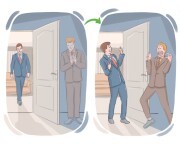
to frighten

to cause a person or animal to feel scared

asustar

asustar

Ex: The news of the approaching storm frightened the residents, who quickly prepared for evacuation. 

La noticia de la tormenta que se acercaba asustó a los residentes, quienes se prepararon rápidamente para la evacuación.

frightening
frightening
[Adjetivo]

causing one to feel fear

alarmante, aterrador

alarmante, aterrador

Ex: It was a frightening experience to be lost in the woods. 

Fue una experiencia aterradora estar perdido en el bosque.

frightened
frightened
[Adjetivo]

feeling afraid, often suddenly, due to danger, threat, or shock

asustado

asustado

Ex: The frightened expression on his face revealed his fear of heights. 

La expresión asustada en su rostro reveló su miedo a las alturas.
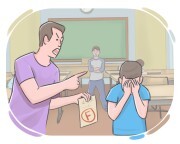
to embarrass

to make a person feel ashamed, uneasy, or nervous, especially in front of other people

avergonzar

avergonzar

Ex: It's important not to intentionally embarrass others with teasing or mocking. 

Es importante no avergonzar intencionalmente a otros con burlas o burlas.
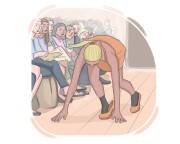
embarrassing
embarrassing
[Adjetivo]

causing a person to feel ashamed or uneasy

embarazoso

embarazoso

Ex: Accidentally sending a private text message to the wrong person is always embarrassing. 

Enviar accidentalmente un mensaje privado a la persona equivocada siempre es vergonzoso.

embarrassed
embarrassed
[Adjetivo]

feeling ashamed and uncomfortable because of something that happened or was said

avergonzado

avergonzado

Ex: She tried to act calm, but her embarrassed smile gave her away. 

Intentó actuar con calma, pero su sonrisa avergonzada la delató.

to challenge

to invite someone to compete or strongly suggest they should do something, often to test their abilities or encourage action

desafiar

desafiar

Ex: The professor challenges his students with thought-provoking assignments. 

El profesor desafía a sus estudiantes con tareas que invitan a la reflexión.

challenging
challenging
[Adjetivo]

difficult to accomplish, requiring skill or effort

retador, desafiante

retador, desafiante

Ex: Learning a new language can be challenging, especially mastering grammar and pronunciation. 

Aprender un nuevo idioma puede ser desafiante, especialmente dominar la grammaire y la pronunciación.

to excite
to excite
[Verbo]

to make a person feel interested or happy, particularly about something that will happen soon

entusiasmar, emocionar

entusiasmar, emocionar

Ex: The anticipation of meeting her favorite author excited the young bookworm. 

La anticipación de conocer a su autor favorito emocionó al joven ratón de biblioteca.

exciting
exciting
[Adjetivo]

making us feel interested, happy, and energetic

emocionante

emocionante

Ex: The fireworks display was really exciting and lit up the whole sky. 

El espectáculo de fuegos artificiales fue realmente emocionante e iluminó todo el cielo.

excited
excited
[Adjetivo]

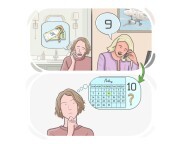
feeling very happy, interested, and energetic

entusiasmado, emocionado
entusiasmado, emocionado

Ex: The children were excited to open their presents on Christmas morning. 

Los niños estaban emocionados por abrir sus regalos en la mañana de Navidad.

to confuse
to confuse
[Verbo]

to misunderstand or mistake a thing as something else or a person for someone else

confundir

confundir

Ex: His thick accent occasionally led people to confuse his words, resulting in humorous misunderstandings during conversations. 

Su marcado acento ocasionalmente llevaba a la gente a confundir sus palabras, resultando en malentendidos humorísticos durante las conversaciones.

confusing
confusing
[Adjetivo]

not clear or easily understood

confuso, poco claro

confuso, poco claro

Ex: His explanation of the scientific theory was confusing, leaving the students with more questions than answers. 

Su explicación de la teoría científica fue confusa, dejando a los estudiantes con más preguntas que respuestas.
confused
confused
[Adjetivo]

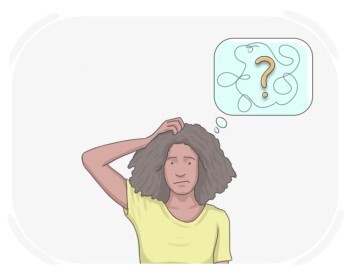
feeling uncertain or not confident about something because it is not clear or easy to understand

confundido

confundido

Ex: The students looked confused as they struggled to grasp the complex concept. 

Los estudiantes parecían confundidos mientras luchaban por comprender el concepto complejo.

to amuse
to amuse
[Verbo]

to make one's time enjoyable by doing something that is interesting and does not make one bored

divertir, entretener

divertir, entretener

Ex: The playful antics of the kittens amused the children for hours. 

Las travesuras juguetonas de los gatitos divirtieron a los niños durante horas.

amusing
amusing
[Adjetivo]

providing enjoyment or laughter

divertido

divertido

Ex: Playing board games with friends is always an amusing way to spend an evening. 

Jugar juegos de mesa con amigos siempre es una manera divertida de pasar una tarde.

amused
amused
[Adjetivo]

feeling entertained or finding something funny or enjoyable

divertido

divertido

Ex: The amused reaction of the crowd indicated their enjoyment of the street performer's act. 

La reacción divertida de la multitud indicaba su disfrute del acto del artista callejero.

to interest

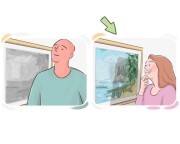
to find something attractive enough to want to know about it more or keep doing it

interesar, atraer
interesar, atraer

Ex: The intriguing plot of the novel interested him enough to read it in one sitting. 

La intrigante trama de la novela lo interesó lo suficiente como para leerla de una sentada.

interesting
interesting
[Adjetivo]

catching and keeping our attention because of being unusual, exciting, etc.

interesante

interesante

Ex: My neighbor has an interesting collection of vintage cars. 

Mi vecino tiene una colección interesante de coches vintage.

interested
interested
[Adjetivo]

having a feeling of curiosity or attention toward a particular thing or person because one likes them

interesado

interesado

Ex: He sounded interested when I mentioned the project. 

Parecía interesado cuando mencioné el proyecto.

to surprise

to make someone feel mildly shocked

sorprender

sorprender

Ex: The sudden appearance of a familiar face in the crowd managed to surprise me. 

La aparición repentina de un rostro familiar en la multitud logró sorprenderme.

surprising
surprising
[Adjetivo]

causing a feeling of shock, disbelief, or wonder

sorprendente

sorprendente

Ex: It's surprising how quickly the time has passed. 

Es sorprendente lo rápido que ha pasado el tiempo.

surprised
surprised
[Adjetivo]

feeling or showing shock or amazement

sorprendido

sorprendido

Ex: He acted surprised, but he already knew about the plan. 

Actuó sorprendido, pero ya sabía del plan.

to bore
to bore
[Verbo]

to do something that causes a person become uninterested, tired, or impatient

aburrir, cansar

aburrir, cansar

Ex: The monotonous presentation is boring the audience. 

La presentación monótona aburre al público.

boring
boring
[Adjetivo]

making us feel tired and unsatisfied because of not being interesting

aburrido

aburrido

Ex: The lecture was so boring that several students left early. 

La conferencia fue tan aburrida que varios estudiantes se fueron temprano.

bored
bored
[Adjetivo]

tired and unhappy because there is nothing to do or because we are no longer interested in something

aburrido

aburrido

Ex: She complained about being bored during the long flight. 

Se quejó de estar aburrida durante el largo vuelo.

LanGeek
Descargar la aplicación LanGeek