


pattern

Il libro Four Corners 3 - Unità 9 Lezione C

Qui troverai il vocabolario dell'Unità 9 Lezione C del libro di corso Four Corners 3, come "quasi mai", "contare su", "affidabile", ecc.

Revisione

Flashcard

forme

Ortografia

Quiz

Inizia a imparare
Four Corners 3
awful
awful
[aggettivo]

extremely unpleasant or disagreeable

terribile

terribile

Ex: They received some awful news about their friend 's accident .

Hanno ricevuto una terribile notizia sull'incidente del loro amico.

Chiudi
Accedi
to break up

to end a relationship, typically a romantic or sexual one

rompere, lasciarsi

rompere, lasciarsi

Ex: He found it hard to break up with her , but he knew it was the right decision .

Ha trovato difficile rompere con lei, ma sapeva che era la decisione giusta.

Chiudi
Accedi
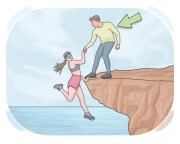
to count on

to put trust in something or someone

contare su

contare su

Ex: We can count on the public transportation system to be punctual and efficient .

Possiamo contare sul sistema di trasporto pubblico per essere puntuale ed efficiente.

Chiudi
Accedi
reliable
reliable
[aggettivo]

able to be trusted to perform consistently well and meet expectations

fidato

fidato

Ex: The reliable product has a reputation for durability and performance .

Il prodotto affidabile ha una reputazione di durata e prestazioni.

Chiudi
Accedi
to [stay] together

(of two people) to remain loyal or not leave each other

Ex: The family vowed to stay together and support each other during tough times.
Chiudi
Accedi
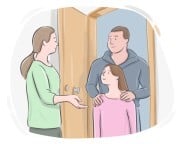
to drop by
to drop by
[Verbo]

to visit a place or someone briefly, often without a prior arrangement

passare

passare

Ex: Friends often drop by unexpectedly , turning an ordinary day into a pleasant visit .

Gli amici spesso passano inaspettatamente, trasformando una giornata ordinaria in una piacevole visita.

Chiudi
Accedi
to get along

to have a friendly or good relationship with someone or something

andare d’accordo

andare d’accordo

Ex: Our neighbors are very friendly, and we get along with them quite well.

I nostri vicini sono molto amichevoli e andiamo d'accordo molto bene con loro.

Chiudi
Accedi
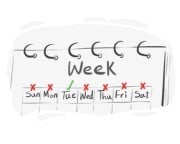
hardly ever
hardly ever
[avverbio]

in a manner that almost does not occur or happen

quasi mai

quasi mai

Ex: He hardly ever takes a day off from work .

Quasi mai si prende un giorno libero dal lavoro.

Chiudi
Accedi
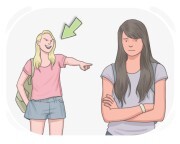
to argue
to argue
[Verbo]

to speak to someone often angrily because one disagrees with them

discutere

discutere

Ex: She argues with her classmates about the best football team.

Lei discute con i suoi compagni di classe sulla migliore squadra di calcio.

Chiudi
Accedi
to get together

to meet up with someone in order to cooperate or socialize

riunirsi

riunirsi

Ex: Families often get together during the holidays for a festive meal.

Le famiglie spesso si riuniscono durante le vacanze per un pasto festivo.

Chiudi
Accedi
teenager
teenager
[sostantivo]

a person aged between 13 and 19 years

adolescente

adolescente

Ex: Many teenagers use social media to stay connected with peers .

Molti adolescenti usano i social media per rimanere in contatto con i coetanei.

Chiudi
Accedi
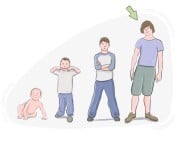
to grow up
to grow up
[Verbo]

to change from being a child into an adult little by little

crescere

crescere

Ex: When I grow up, I want to be a musician.

Quando crescerò, voglio fare il musicista.

Chiudi
Accedi
immature
immature
[aggettivo]

not fully developed mentally or emotionally, often resulting in behaviors or reactions that are childish

immaturo

immaturo

Ex: He realized his reaction was immature and apologized for his outburst .

Si rese conto che la sua reazione era immatura e si scusò per il suo sfogo.

Chiudi
Accedi
to pick on
to pick on
[Verbo]

to keep treating someone unfairly or making unfair remarks about them

prendersela con, stuzzicare

prendersela con, stuzzicare

Ex: Some kids in the park were picking on a new child , and I had to intervene .

Alcuni bambini nel parco prendevano in giro un nuovo bambino, e ho dovuto intervenire.

Chiudi
Accedi
mean
mean
[aggettivo]

(of a person) behaving in a way that is unkind or cruel

meschino

meschino

Ex: The mean neighbor complained about trivial matters just to cause trouble .

Il vicino cattivo si è lamentato di questioni banali solo per creare problemi.

Chiudi
Accedi
to run into

to meet someone by chance and unexpectedly

correre in

correre in

Ex: It 's always a surprise to run into familiar faces when traveling to new places .

È sempre una sorpresa imbattersi in facce familiari quando si viaggia in nuovi posti.

Chiudi
Accedi
to take after

to look or act like an older member of the family, especially one's parents

somigliare a

somigliare a

Ex: The teenager takes after his older brother in fashion sense .

L'adolescente assomiglia a suo fratello maggiore nel senso della moda.

Chiudi
Accedi
must
must
[Verbo]

used to express a logical conclusion

deve, bisogna

deve, bisogna

Ex: They must have forgotten to call .

Loro devono essersi dimenticati di chiamare.

Chiudi
Accedi
can
can
[Verbo]

used to express that something is possible or may happen, exist, or be true

potere, essere in grado di

potere, essere in grado di

Ex: You can't expect me to agree with that idea .

Non puoi aspettarti che io sia d'accordo con quell'idea.

Chiudi
Accedi
could
could
[Verbo]

used to show the possibility of something happening or being the case

potere essere

potere essere

Chiudi
Accedi
may
may
[Verbo]

used to show the possibility of something happening or being the case

potere

potere

Ex: The concert tickets may sell out quickly , so it 's best to buy them in advance .

I biglietti per il concerto possono esaurirsi rapidamente, quindi è meglio acquistarli in anticipo.

Chiudi
Accedi
might
might
[Verbo]

used to express a possibility

potrebbe

potrebbe

Ex: They might offer discounts during the holiday season .

Potrebbero offrire sconti durante il periodo delle feste.

Chiudi
Accedi
LanGeek
Scarica l'app LanGeek