
Książka Four Corners 3 - Jednostka 9 Lekcja C
Tutaj znajdziesz słownictwo z Unit 9 Lesson C w podręczniku Four Corners 3, takie jak "prawie nigdy", "polegać na", "niezawodny" itp.
Przegląd
Fiszki
formy
Pisownia
Test

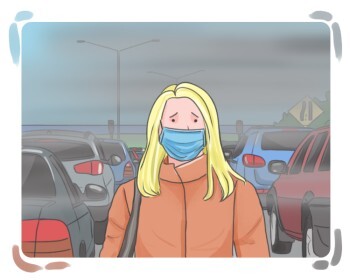
extremely unpleasant or disagreeable

okropny, straszny
Pogoda była okropna, z ulewnym deszczem i wiatrem.

to end a relationship, typically a romantic or sexual one
zerwać, zakończyć związek
Zdecydowali się zerwać po dwóch latach randkowania.
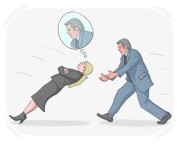
to put trust in something or someone
liczyć na, polegać na
Klienci muszą polegać na jakości naszych usług, aby osiągnąć długotrwałe zadowolenie.
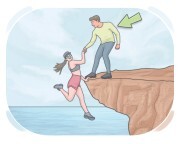
able to be trusted to perform consistently well and meet expectations
niezawodny, godny zaufania
Samochód jest stary, ale nadal niezawodny na długie podróże.
![to [stay] together](/assets/img/no-pic-700w.png "to [stay] together")
(of two people) to remain loyal or not leave each other
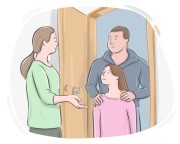
to visit a place or someone briefly, often without a prior arrangement
wpaść, zrobić krótką wizytę
Będę później w tej okolicy; czy mogę wpaść do ciebie na szybką rozmowę?
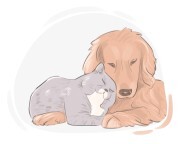
to have a friendly or good relationship with someone or something
dogadywać się, żyć w zgodzie
Dogadywałem się z moimi kolegami w poprzedniej pracy.
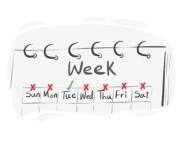
in a manner that almost does not occur or happen
prawie nigdy, rzadko
Prawie nigdy nie podróżują zimą.
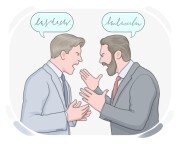
to speak to someone often angrily because one disagrees with them
kłócić się, sprzeczać się
Nienawidzę kłócić się z rodzicami, ale tym razem się mylili.

to meet up with someone in order to cooperate or socialize
spotkać się, zebrać się
Po pracy lubimy spotykać się w lokalnym pubie na drinka.
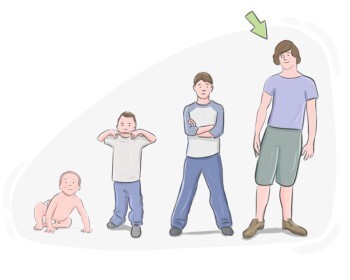
a person aged between 13 and 19 years
nastolatek, młodzież
Był nieśmiałym nastolatkiem, ale z czasem stał się bardziej pewny siebie.

to change from being a child into an adult little by little
dorastać, stawać się dorosłym
Ona planuje przeprowadzkę do miasta, w którym dorastała.

not fully developed mentally or emotionally, often resulting in behaviors or reactions that are childish
niedojrzały, nierozwinięty
Niedojrzałe podejmowanie decyzji przez nastolatka wzbudziło niepokój wśród jego rodziców.
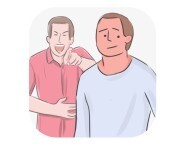
to keep treating someone unfairly or making unfair remarks about them
czepiać się, dokuczać
Dlaczego zawsze czepiasz się go podczas spotkań zespołu? On robi, co może.
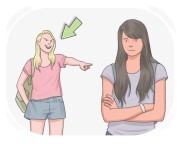
(of a person) behaving in a way that is unkind or cruel
złośliwy, okrutny
Żałował swojego niemiłego zachowania wobec młodszego rodzeństwa, zdając sobie sprawę, że to było niesprawiedliwe.
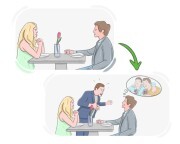
to meet someone by chance and unexpectedly
natknąć się na, spotkać przypadkiem
Natknęliśmy się na naszego byłego nauczyciela podczas wakacji w innym kraju.
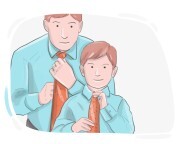
to look or act like an older member of the family, especially one's parents
podobny do, odziedziczyć po
Członkowie rodziny przypominają się nawzajem w swoich charakterystycznych uśmiechach.
used to express a logical conclusion
musi, powinien
Musi to być miejsce, którego szukaliśmy.
used to express that something is possible or may happen, exist, or be true
móc, być w stanie
Błędy mogą się zdarzyć, gdy jesteś zmęczony.
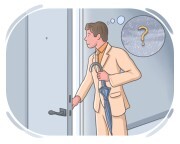
used to show the possibility of something happening or being the case
móc, może
On mógł zostawić swoje klucze na blacie kuchennym.
used to express a possibility
mógłby, może
Może później wieczorem padać deszcz.
