pattern

Matematica e Valutazione ACT - Valutazione e Critica

Impara il vocabolario ACT per la valutazione e la critica, tra cui giudizio, valutazione, punti di forza, punti di debolezza, obiezioni, analisi e opinioni negative o equilibrate.

Revisione

Flashcard

Ortografia

Quiz

Inizia a imparare
ACT Vocabulary for Math and Assessment
to weigh
to weigh
[Verbo]

to carefully consider different facts, possibilities, or consequences before making a decision

pesare

pesare

Ex: The committee weighed the potential benefits against the risks. 
Chiudi
Accedi
to evaluate

to judge the quality, importance, value, or effectiveness of someone or something

stimare, valutare

stimare, valutare

Ex: Daniel carefully evaluated his options before accepting the offer. 
Chiudi
Accedi
to reappraise

to review someone or something to see whether one's opinion was correct or not

rivalutare

rivalutare

Chiudi
Accedi
to assess
to assess
[Verbo]

to form a judgment on the quality, worth, nature, ability or importance of something, someone, or a situation

valutare
valutare

Ex: The coach assessed the players' skills during tryouts for the team. 
Chiudi
Accedi
to disqualify

to make someone or something not fit or suitable for a particular position or activity

squalificare

squalificare

Ex: Failing the medical exam disqualifies applicants from overseas postings. 

Non superare l'esame medico squalifica i candidati per incarichi all'estero.

Chiudi
Accedi
inferior
inferior
[aggettivo]

having lower quality or lesser value compared to others

inferiore, di qualità inferiore

inferiore, di qualità inferiore

Ex: His inferior performance on the field led to his team's defeat in the game. 

La sua prestazione inferiore sul campo ha portato alla sconfitta della sua squadra nel gioco.

Chiudi
Accedi
tedious
tedious
[aggettivo]

boring and repetitive, often causing frustration or weariness due to a lack of variety or interest

tedioso

tedioso

Ex: Sorting through the clutter in the attic proved to be a tedious and time-consuming endeavor. 

Ordinare il disordine in soffitta si è rivelato un'impresa tediosa e che richiede tempo.
Chiudi
Accedi
dismal
dismal
[aggettivo]

causing sadness or disappointment

cupo, triste

cupo, triste

Ex: The dismal weather kept everyone indoors for the entire weekend. 

Il tempo triste ha tenuto tutti in casa per tutto il fine settimana.

Chiudi
Accedi
cataclysmic
cataclysmic
[aggettivo]

causing widespread destruction

cataclismico, devastante

cataclismico, devastante

Ex: The cataclysmic flood swept away homes and infrastructure, leaving devastation in its wake. 

L'alluvione cataclismica ha spazzato via case e infrastrutture, lasciando devastazione al suo passaggio.

Chiudi
Accedi
dire
dire
[aggettivo]

provoking intense fear or anxiety due to its severity or seriousness

terribile, spaventoso

terribile, spaventoso

Ex: The survivors recounted their dire experiences during the natural disaster. 

I sopravvissuti hanno raccontato le loro terribili esperienze durante il disastro naturale.
Chiudi
Accedi
revolting
revolting
[aggettivo]

extremely repulsive and disgusting

rivoltante

rivoltante

Ex: The revolting smell from the rotten fish made everyone in the room feel nauseous. 

L'odore rivoltante del pesce marcio ha fatto sentire tutti nella stanza nauseati.

Chiudi
Accedi
erroneous
erroneous
[aggettivo]

mistaken or inaccurate due to flaws in reasoning, evidence, or factual support

erroneo

erroneo

Ex: They had to retract their statement after discovering it was based on erroneous information. 

Hanno dovuto ritrattare la loro dichiarazione dopo aver scoperto che era basata su informazioni errate.
Chiudi
Accedi
inefficient
inefficient
[aggettivo]

not able to achieve maximum productivity or desired results

inefficiente

inefficiente

Ex: The inefficient layout of the website made it difficult for users to find information. 

La disposizione inefficiente del sito web ha reso difficile per gli utenti trovare informazioni.
Chiudi
Accedi
improper
improper
[aggettivo]

unfit for a particular person, thing, or situation

improprio

improprio

Ex: Failing to cite sources in academic writing is considered improper academic conduct. 

Non citare le fonti nella scrittura accademica è considerato una condotta accademica impropria.

Chiudi
Accedi
unfit
unfit
[aggettivo]

not suitable or capable enough for a specific task or purpose

inapto, inadatto

inapto, inadatto

Ex: The old shoes were unfit for hiking, lacking proper traction and support. 

Le vecchie scarpe erano inadatte per l'escursionismo, mancando di trazione e supporto adeguati.

Chiudi
Accedi
pathetic
pathetic
[aggettivo]

evoking scorn due to being extremely inadequate or disappointing

patetico, penoso

patetico, penoso

Ex: The movie was criticized for its pathetic storyline and poor acting. 

Il film è stato criticato per la sua trama patetica e la recitazione scadente.
Chiudi
Accedi
adverse
adverse
[aggettivo]

against someone or something's advantage

sfavorevole

sfavorevole

Ex: The adverse publicity surrounding the scandal tarnished the company's reputation. 

La pubblicità avversa che circondava lo scandalo ha offuscato la reputazione dell'azienda.

Chiudi
Accedi
nondescript
nondescript
[aggettivo]

lacking in the qualities that make something or someone stand out or appear special, often appearing plain or ordinary

banale, insignificante

banale, insignificante

Ex: The book’s cover was so nondescript that I almost overlooked it. 

La copertina del libro era così anonima che l'ho quasi trascurata.
Chiudi
Accedi
disastrous
disastrous
[aggettivo]

very harmful or bad

disastroso

disastroso

Ex: The oil spill had disastrous effects on marine life and coastal ecosystems. 
Chiudi
Accedi
egregious
egregious
[aggettivo]

bad in a noticeable and extreme way

gregegio

gregegio

Ex: The egregious display of arrogance alienated him from his colleagues. 

L'eclatante dimostrazione di arroganza lo ha allontanato dai suoi colleghi.

Chiudi
Accedi
horrid
horrid
[aggettivo]

very unpleasant or of very poor quality

orribile, spaventoso

orribile, spaventoso

Chiudi
Accedi
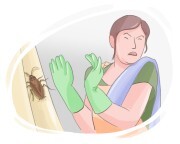
unsavory
unsavory
[aggettivo]

related to actions, behaviors, or characteristics that are morally questionable or unpleasant

sgradevole, dubbioso

sgradevole, dubbioso

Ex: The restaurant had to close down due to health violations and unsavory practices in the kitchen. 

Il ristorante ha dovuto chiudere a causa di violazioni della salute e pratiche sgradevoli in cucina.
Chiudi
Accedi
foul
foul
[aggettivo]

extremely bad, unpleasant, or disgusting

fetido,  disgustoso

fetido, disgustoso

Ex: We had foul weather throughout the trip. 
Chiudi
Accedi
grotesque
grotesque
[aggettivo]

very ugly in a strange or funny way

grottesco

grottesco

Ex: The grotesque painting depicted a nightmarish scene with distorted faces and contorted bodies. 
Chiudi
Accedi
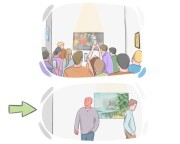
shoddy
shoddy
[aggettivo]

of poor quality or craftmanship

di scarsa qualità, mal fatto

di scarsa qualità, mal fatto

Ex: The novel was criticized for its shoddy plot development and poorly written dialogue, disappointing readers. 

Il romanzo è stato criticato per il suo sviluppo della trama scadente e i dialoghi scritti male, deludendo i lettori.
Chiudi
Accedi
mundane
mundane
[aggettivo]

lacking the ability to arouse interest or cause excitement

mondano

mondano

Ex: The mundane routine of daily life made her yearn for something more exciting. 

La routine mondana della vita quotidiana la faceva desiderare qualcosa di più eccitante.

Chiudi
Accedi
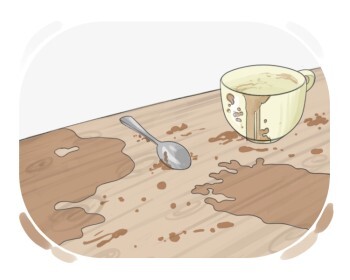
dreary
dreary
[aggettivo]

boring and repetitive that makes one feel unhappy

tetro, deprimente

tetro, deprimente

Ex: The dreary lecture was filled with repetitive details that failed to capture interest. 

La conferenza monotona era piena di dettagli ripetitivi che non riuscivano a catturare l'interesse.
Chiudi
Accedi
filthy
filthy
[aggettivo]

very dirty, especially because of being covered with dirt, dust, or harmful substances

sporco

sporco

Ex: The dog returned from playing outside, its fur filthy with mud and dirt. 

Il cane è tornato dopo aver giocato fuori, il suo pelo sporco di fango e terra.

Chiudi
Accedi
janky
janky
[aggettivo]

of poor quality and unreliable, often characterized by makeshift construction or malfunctioning parts

di scarsa qualità, inaffidabile

di scarsa qualità, inaffidabile

Ex: The video game was fun, but the graphics were a bit janky and glitchy. 

Il videogioco era divertente, ma la grafica era un po' traballante e piena di glitch.

Chiudi
Accedi
ghastly
ghastly
[aggettivo]

extremely unpleasant, shocking, or horrifying in appearance, nature, or effect

orribile, raccapricciante

orribile, raccapricciante

Ex: He told a ghastly story that left everyone pale and silent. 

Raccontò una storia orribile che lasciò tutti pallidi e in silenzio.

Chiudi
Accedi
vile
vile
[aggettivo]

extremely disgusting or unpleasant

ignobile, orribile

ignobile, orribile

Ex: Her vile language towards her coworkers created a hostile work environment. 

Il suo linguaggio vile verso i suoi colleghi ha creato un ambiente di lavoro ostile.

Chiudi
Accedi
dull
dull
[aggettivo]

not interesting, exciting, or lively

noioso

noioso

Ex: The town can seem rather dull during the winter. 
Chiudi
Accedi
drab
drab
[aggettivo]

lifeless and lacking in interest

monotono

monotono

Ex: Her drab expression showed how little enthusiasm she had for the event. 

La sua espressione scialba mostrava quanto poco entusiasmo avesse per l'evento.

Chiudi
Accedi
LanGeek
Scarica l'app LanGeek