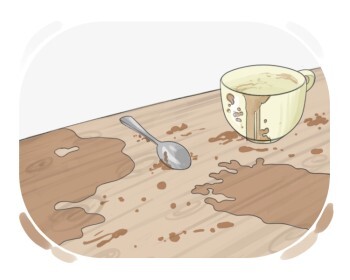

pattern

ACT 数学と評価 - 評価と批評

判断、評価、長所、短所、異議、分析、否定的またはバランスの取れた意見など、評価と批判のためのACT語彙を学びましょう。

レビュー

フラッシュカード

綴り

クイズ

学習を開始
ACT Vocabulary for Math and Assessment
to weigh
to weigh
[動詞]

to carefully consider different facts, possibilities, or consequences before making a decision

熟考する,  比較検討する

熟考する, 比較検討する

Ex: Emma weighed the advantages and disadvantages before accepting the job. 
to evaluate
to evaluate
[動詞]

to judge the quality, importance, value, or effectiveness of someone or something

Ex: The committee will evaluate each proposal before making a decision. 
to reappraise

to review someone or something to see whether one's opinion was correct or not

再評価する, 見直す

再評価する, 見直す

to assess
to assess
[動詞]

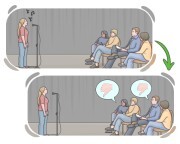
to form a judgment on the quality, worth, nature, ability or importance of something, someone, or a situation

評価する, 判断する
評価する, 判断する

Ex: The financial analyst is assessing the company's financial statements to provide investment advice. 
to disqualify

to make someone or something not fit or suitable for a particular position or activity

失格させる, 不適格にする

失格させる, 不適格にする

Ex: The horse's broken leg effectively disqualified it from future racing events that season. 

馬の折れた脚は、そのシーズンの将来のレースイベントから事実上失格させた。

inferior
inferior
[形容詞]

having lower quality or lesser value compared to others

劣っている, 品質が低い

劣っている, 品質が低い

Ex: The inferior materials used in construction resulted in a weak and unstable building. 

建設に使用された劣った材料は、弱く不安定な建物をもたらしました。

tedious
tedious
[形容詞]

boring and repetitive, often causing frustration or weariness due to a lack of variety or interest

退屈な, うんざりするような

退屈な, うんざりするような

Ex: The tedious task of filing paperwork made the afternoon drag on. 

書類を提出するという退屈な作業で午後が長く感じられた。

dismal
dismal
[形容詞]

causing sadness or disappointment

陰鬱な, 悲しい

陰鬱な, 悲しい

Ex: The dismal weather matched his gloomy mood perfectly. 

陰鬱な天気は彼の陰鬱な気分と完璧に一致していた。

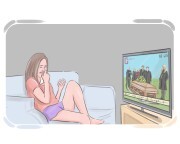
cataclysmic
cataclysmic
[形容詞]

causing widespread destruction

壊滅的な, 破壊的な

壊滅的な, 破壊的な

Ex: The discovery of the asteroid's trajectory sparked fears of a cataclysmic impact. 

小惑星の軌道の発見は、壊滅的な衝突の恐れを引き起こしました。

dire
dire
[形容詞]

provoking intense fear or anxiety due to its severity or seriousness

恐ろしい, ひどい

恐ろしい, ひどい

Ex: The villagers were warned of the dire consequences of ignoring the approaching storm. 

村人たちは、迫り来る嵐を無視することの恐ろしい結果について警告されました。

revolting
revolting
[形容詞]

extremely repulsive and disgusting

嫌悪感を催させる, うんざりするような

嫌悪感を催させる, うんざりするような

Ex: The revolting conditions in the abandoned building were a health hazard. 

放棄された建物の嫌な状態は健康上の危険でした。

erroneous
erroneous
[形容詞]

mistaken or inaccurate due to flaws in reasoning, evidence, or factual support

誤った, 不正確な

誤った, 不正確な

Ex: The report contained several erroneous conclusions based on faulty data. 

その報告書には、欠陥のあるデータに基づくいくつかの誤った結論が含まれていました。
inefficient
inefficient
[形容詞]

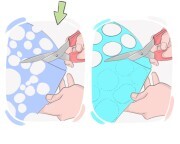
not able to achieve maximum productivity or desired results

非効率的な, 能率の悪い

非効率的な, 能率の悪い

Ex: The inefficient process caused delays and wasted resources. 

非効率なプロセスが遅延と資源の浪費を引き起こした。

improper
improper
[形容詞]

unfit for a particular person, thing, or situation

不適切な, ふさわしくない

不適切な, ふさわしくない

Ex: Using informal language in a professional email is considered improper communication. 

プロフェッショナルなメールでくだけた言葉を使うことは、不適切なコミュニケーションと見なされます。

unfit
unfit
[形容詞]

not suitable or capable enough for a specific task or purpose

不向き, 不適切

不向き, 不適切

Ex: The unstable ladder was unfit for reaching high shelves safely. 

不安定なはしごは、高い棚に安全に届くには不向きでした。

pathetic
pathetic
[形容詞]

evoking scorn due to being extremely inadequate or disappointing

哀れな, 情けない

哀れな, 情けない

Ex: She couldn't help but feel sorry for his pathetic excuses for not finishing the project. 

彼女はプロジェクトを終わらせなかった彼の 哀れな 言い訳に同情せざるを得なかった。

adverse
adverse
[形容詞]

against someone or something's advantage

不利な, 反対の

不利な, 反対の

Ex: The adverse effects of smoking on health are well-documented. 

喫煙の健康への悪影響は十分に立証されています。

nondescript
nondescript
[形容詞]

lacking in the qualities that make something or someone stand out or appear special, often appearing plain or ordinary

平凡な, 特徴のない

平凡な, 特徴のない

Ex: Her handwriting was nondescript, neither elegant nor messy, just plain and straightforward. 

彼女の筆跡は特徴のないもので、優雅でも乱雑でもなく、ただ単純で率直だった。

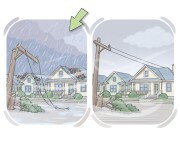
disastrous
disastrous
[形容詞]

very harmful or bad

悲惨な, 壊滅的な

悲惨な, 壊滅的な

Ex: The storm's disastrous impact left thousands of homes without power. 
egregious
egregious
[形容詞]

bad in a noticeable and extreme way

顕著な, 恥ずべき

顕著な, 恥ずべき

Ex: Her egregious behavior at the party embarrassed everyone who attended. 

パーティーでの彼女の目に余る振る舞いは、出席者全員を恥ずかしくさせた。

horrid
horrid
[形容詞]

very unpleasant or of very poor quality

ひどい, 不快な

ひどい, 不快な

unsavory
unsavory
[形容詞]

related to actions, behaviors, or characteristics that are morally questionable or unpleasant

不快な, 疑わしい

不快な, 疑わしい

Ex: The company's unsavory marketing tactics included misleading advertisements. 

その会社の不適切なマーケティング戦略には、誤解を招く広告が含まれていました。

foul
foul
[形容詞]

extremely bad, unpleasant, or disgusting

不快な,  ひどい

不快な, ひどい

Ex: We had to continue walking through foul weather. 
grotesque
grotesque
[形容詞]

very ugly in a strange or funny way

グロテスク, 奇怪な

グロテスク, 奇怪な

Ex: She recoiled in horror at the sight of the grotesque creature lurking in the shadows. 
shoddy
shoddy
[形容詞]

of poor quality or craftmanship

粗悪な, 下手に作られた

粗悪な, 下手に作られた

Ex: The shoddy construction of the cheap furniture became evident when it started falling apart after just a few weeks of use. 

安い家具の粗悪な作りは、使用開始からわずか数週間でバラバラになり始めたときに明らかになりました。
mundane
mundane
[形容詞]

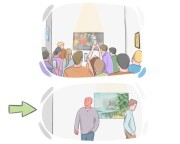
lacking the ability to arouse interest or cause excitement

平凡な, 退屈な

平凡な, 退屈な

Ex: The mundane task of washing dishes felt tedious and uninteresting. 

皿洗いという日常的な作業は退屈で面白みがないと感じられた。

dreary
dreary
[形容詞]

boring and repetitive that makes one feel unhappy

陰鬱な, 単調な

陰鬱な, 単調な

Ex: The repetitive tasks in the job made the work feel dreary and monotonous. 

仕事での繰り返しのタスクは、仕事を陰気なものにし、単調に感じさせた。

filthy
filthy
[形容詞]

very dirty, especially because of being covered with dirt, dust, or harmful substances

汚い, 不潔な

汚い, 不潔な

Ex: The kitchen floor was filthy, with food crumbs and spills covering its surface. 

キッチンの床は汚れており、食べ物のくずやこぼれたもので表面が覆われていた。

janky
janky
[形容詞]

of poor quality and unreliable, often characterized by makeshift construction or malfunctioning parts

質が悪い, 信頼できない

質が悪い, 信頼できない

Ex: The old computer is so janky that it crashes every time I try to open a new program. 

その古いコンピュータはとても不安定で、新しいプログラムを開こうとするたびにクラッシュします。

ghastly
ghastly
[形容詞]

extremely unpleasant, shocking, or horrifying in appearance, nature, or effect

恐ろしい, ぞっとする

恐ろしい, ぞっとする

Ex: The haunted house was filled with ghastly sights, from cobweb-covered furniture to eerie, flickering lights. 

そのお化け屋敷は、クモの巣に覆われた家具から不気味に点滅する光まで、ぞっとするような光景でいっぱいでした。

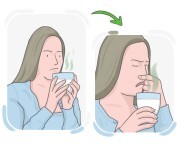
vile
vile
[形容詞]

extremely disgusting or unpleasant

嫌な, 卑劣な

嫌な, 卑劣な

Ex: The vile smell coming from the rotting food made everyone nauseous. 

腐っている食べ物から来る忌まわしい臭いが、皆を吐き気させた。

dull
dull
[形容詞]

not interesting, exciting, or lively

Ex: The lecture was dull and repetitive. 
drab
drab
[形容詞]

lifeless and lacking in interest

単調な, 活気のない

単調な, 活気のない

Ex: Her drab response indicated she wasn't excited about the news. 

彼女の単調な返事は、その知らせに興奮していないことを示していた。

LanGeek
LanGeekアプリをダウンロード