pattern

Matematică și Evaluare ACT - Evaluare și Critică

Învață vocabularul ACT pentru evaluare și critică, inclusiv judecată, evaluare, puncte forte, puncte slabe, obiecții, analiză și opinii negative sau echilibrate.

Revizuire

Fișe de studiu

Ortografie

Chestionar
Începe să înveți
ACT Vocabulary for Math and Assessment
to weigh
to weigh
[verb]

to carefully consider different facts, possibilities, or consequences before making a decision

cântări,  chibzui

cântări, chibzui

Ex: Emma weighed the advantages and disadvantages before accepting the job. 
Închide
Conectare
to evaluate

to judge the quality, importance, value, or effectiveness of someone or something

evalua,  aprecia

evalua, aprecia

Ex: The committee will evaluate each proposal before making a decision. 
Închide
Conectare
to reappraise

to review someone or something to see whether one's opinion was correct or not

reevalua, reexamina

reevalua, reexamina

Închide
Conectare
to assess
to assess
[verb]

to form a judgment on the quality, worth, nature, ability or importance of something, someone, or a situation

evalua, judeca
evalua, judeca

Ex: The teacher assesses students' understanding through quizzes and exams. 
Închide
Conectare
to disqualify

to make someone or something not fit or suitable for a particular position or activity

descalifica, face inadecvat

descalifica, face inadecvat

Ex: Failing the medical exam disqualifies applicants from overseas postings. 

Picarea examenului medical descalifică candidații pentru posturile în străinătate.

Închide
Conectare
inferior
inferior
[adjectiv]

having lower quality or lesser value compared to others

inferior, de calitate inferioară

inferior, de calitate inferioară

Ex: The inferior materials used in construction resulted in a weak and unstable building. 

Materialele inferioare utilizate în construcție au dus la o clădire slabă și instabilă.

Închide
Conectare
tedious
tedious
[adjectiv]

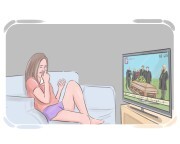
boring and repetitive, often causing frustration or weariness due to a lack of variety or interest

plictisitor, obositor

plictisitor, obositor

Ex: The tedious task of filing paperwork made the afternoon drag on. 

Sarcina plictisitoare de a depune acte a făcut după-amiaza să se prelungească.
Închide
Conectare
dismal
dismal
[adjectiv]

causing sadness or disappointment

sumbru, trist

sumbru, trist

Ex: The dismal weather matched his gloomy mood perfectly. 

Vremea sumbră se potrivea perfect cu starea lui de spirit sumbră.

Închide
Conectare
cataclysmic
cataclysmic
[adjectiv]

causing widespread destruction

cataclismic, devastator

cataclismic, devastator

Ex: The stock market crash had cataclysmic effects on the global economy. 

Prăbușirea pieței de valori a avut efecte cataclismice asupra economiei globale.

Închide
Conectare
dire
dire
[adjectiv]

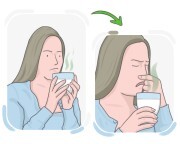
provoking intense fear or anxiety due to its severity or seriousness

teribil, îngrozitor

teribil, îngrozitor

Ex: The villagers were warned of the dire consequences of ignoring the approaching storm. 

Sătenii au fost avertizați despre consecințele groaznice ale ignorării furtunii care se apropia.
Închide
Conectare
revolting
revolting
[adjectiv]

extremely repulsive and disgusting

dezgustător, scârbos

dezgustător, scârbos

Închide
Conectare
erroneous
erroneous
[adjectiv]

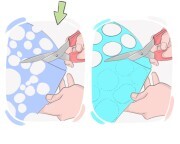
mistaken or inaccurate due to flaws in reasoning, evidence, or factual support

eronat, inexact
eronat, inexact

Închide
Conectare
inefficient
inefficient
[adjectiv]

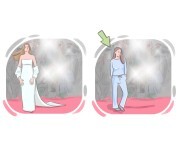
not able to achieve maximum productivity or desired results

ineficient, puțin eficient
ineficient, puțin eficient

Închide
Conectare
improper
improper
[adjectiv]

unfit for a particular person, thing, or situation

necorespunzător, neadecvat

necorespunzător, neadecvat

Închide
Conectare
unfit
unfit
[adjectiv]

not suitable or capable enough for a specific task or purpose

neapt, necorespunzător

neapt, necorespunzător

Închide
Conectare
pathetic
pathetic
[adjectiv]

evoking scorn due to being extremely inadequate or disappointing

patetic, jalnic

patetic, jalnic

Închide
Conectare
adverse
adverse
[adjectiv]

against someone or something's advantage

nefavorabil, contrar

nefavorabil, contrar

Închide
Conectare
nondescript
nondescript
[adjectiv]

lacking in the qualities that make something or someone stand out or appear special, often appearing plain or ordinary

banal, neinsemnat
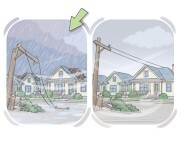
banal, neinsemnat

Închide
Conectare
disastrous
disastrous
[adjectiv]

very harmful or bad

dezastruos, catastrofal

dezastruos, catastrofal

Închide
Conectare
egregious
egregious
[adjectiv]

bad in a noticeable and extreme way

flagrant, scandalos

flagrant, scandalos

Închide
Conectare
horrid
horrid
[adjectiv]

very unpleasant or of very poor quality

oribil, îngrozitor

oribil, îngrozitor

Închide
Conectare
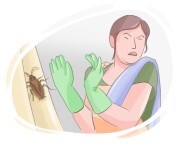
unsavory
unsavory
[adjectiv]

related to actions, behaviors, or characteristics that are morally questionable or unpleasant

neplăcut, îndoielnic

neplăcut, îndoielnic

Ex: The company's unsavory marketing tactics included misleading advertisements. 

Tacticile de marketing dubioase ale companiei au inclus reclame înșelătoare.
Închide
Conectare
foul
foul
[adjectiv]

extremely bad, unpleasant, or disgusting

dezgustător,  scârbos

dezgustător, scârbos

Ex: We had to continue walking through foul weather. 
Închide
Conectare
grotesque
grotesque
[adjectiv]

very ugly in a strange or funny way

grotesc, bizar

grotesc, bizar

Ex: She recoiled in horror at the sight of the grotesque creature lurking in the shadows. 
Închide
Conectare
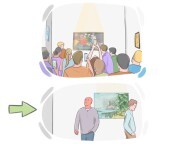
shoddy
shoddy
[adjectiv]

of poor quality or craftmanship

de proastă calitate, făcut prost

de proastă calitate, făcut prost

Ex: The shoddy construction of the cheap furniture became evident when it started falling apart after just a few weeks of use. 

Construcția de proastă calitate a mobilelor ieftine a devenit evidentă atunci când au început să se destrame după doar câteva săptămâni de utilizare.
Închide
Conectare
mundane
mundane
[adjectiv]

lacking the ability to arouse interest or cause excitement

banal, plictisitor

banal, plictisitor

Ex: The mundane task of washing dishes felt tedious and uninteresting. 

Sarcina banală de a spăla vasele a părut plictisitoare și neinteresantă.

Închide
Conectare
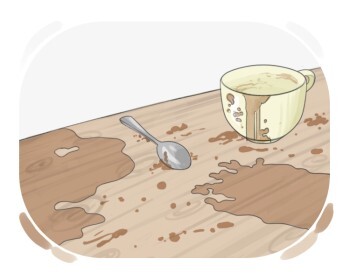
dreary
dreary
[adjectiv]

boring and repetitive that makes one feel unhappy

trist, monoton

trist, monoton

Ex: The repetitive tasks in the job made the work feel dreary and monotonous. 

Sarcinile repetitive de la muncă au făcut ca munca să pară tristă și monotonă.
Închide
Conectare
filthy
filthy
[adjectiv]

very dirty, especially because of being covered with dirt, dust, or harmful substances

murdar, jegos

murdar, jegos

Ex: The kitchen floor was filthy, with food crumbs and spills covering its surface. 

Podeaua bucătăriei era murdară, cu firimituri de mâncare și vărsături acoperindu-i suprafața.

Închide
Conectare
janky
janky
[adjectiv]

of poor quality and unreliable, often characterized by makeshift construction or malfunctioning parts

de proastă calitate, nesigur

de proastă calitate, nesigur

Ex: The old computer is so janky that it crashes every time I try to open a new program. 

Vechiul computer este atât de defect încât se blochează de fiecare dată când încerc să deschid un program nou.

Închide
Conectare
ghastly
ghastly
[adjectiv]

extremely unpleasant, shocking, or horrifying in appearance, nature, or effect

îngrozitor, oribil

îngrozitor, oribil

Ex: The haunted house was filled with ghastly sights, from cobweb-covered furniture to eerie, flickering lights. 

Casa bântuită era plină de priveliști îngrozitoare, de la mobilier acoperit de pânze de păianjen până la lumini stranii, sclipitoare.

Închide
Conectare
vile
vile
[adjectiv]

extremely disgusting or unpleasant

dezgustător, josnic

dezgustător, josnic

Ex: The vile smell coming from the rotting food made everyone nauseous. 

Mirosul dezgustător care venea de la mâncarea putrezită i-a făcut pe toți să se simtă rău.

Închide
Conectare
dull
dull
[adjectiv]

not interesting, exciting, or lively

plictisitor,  monoton

plictisitor, monoton

Ex: The lecture was dull and repetitive. 
Închide
Conectare
drab
drab
[adjectiv]

lifeless and lacking in interest

monoton, fără viață

monoton, fără viață

Ex: Her drab response indicated she wasn't excited about the news. 

Răspunsul ei plictisitor indica că nu era entuziasmată de veste.

Închide
Conectare
LanGeek
Descarcă aplicația LanGeek