pattern

Cambridge IELTS 19 - Academic - Test 4 - Ascolto - Parte 4 (2)

Impara il vocabolario dalla seconda parte del Cambridge IELTS 19 Academic, Test 4 Listening Part 4, con parole ed espressioni utili di questa sezione.

Revisione

Flashcard

forme

Ortografia

Quiz

Inizia a imparare
Cambridge IELTS 19 - Academic
to deforest

to clear an area of trees, typically by cutting them down extensively

disboscare, deforestare

disboscare, deforestare

Ex: By the time the environmentalists arrived, the company had already deforested most of the land. 

Quando gli ambientalisti arrivarono, la compagnia aveva già deforestato la maggior parte del terreno.

Chiudi
Accedi
large-scale
large-scale
[aggettivo]

involving a significant numbers of people or a vast area

su larga scala, di grande portata

su larga scala, di grande portata

Ex: The large-scale event attracted thousands of attendees from various regions. 

L'evento su larga scala ha attirato migliaia di partecipanti da varie regioni.
Chiudi
Accedi
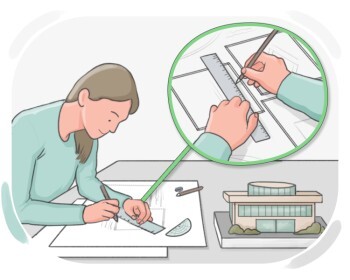
planning
planning
[sostantivo]

the process of deciding in advance what actions to take and how to carry them out

pianificazione
pianificazione

Ex: The team began planning for the expansion early in the year. 
Chiudi
Accedi
detailed
detailed
[aggettivo]

including many specific elements or pieces of information

minuzioso

minuzioso

Ex: The artist's painting was incredibly detailed, with intricate brushstrokes capturing every nuance. 

Il dipinto dell'artista era incredibilmente dettagliato, con pennellate intricate che catturavano ogni sfumatura.

Chiudi
Accedi
up-to-date
up-to-date
[aggettivo]

conforming to the most recent developments, updates, or facts

aggiornato, al passo

aggiornato, al passo

Ex: He updated the website to keep it up-to-date with the latest product launches. 

Ha aggiornato il sito web per mantenerlo aggiornato con gli ultimi lanci di prodotti.

Chiudi
Accedi
to identify

to find or discover something by searching for its features, characteristics, or details

identificare, riconoscere

identificare, riconoscere

Ex: The doctor identified the cause of the illness after the tests. 
Chiudi
Accedi
priority
priority
[sostantivo]

the fact or condition of being regarded or treated as more important than others

priorità

priorità

Ex: He was told to focus on his studies as a priority over extracurricular activities. 
Chiudi
Accedi
intervention
intervention
[sostantivo]

an action, treatment, or manipulation that is introduced by researchers to test its effects on variables of interest

intervento

intervento

Ex: Researchers compared the intervention group with a control group. 
Chiudi
Accedi
drone
drone
[sostantivo]

a flying vehicle such as an aircraft that is controlled from afar and has no pilot

drone

drone

Ex: Hobbyists enjoy flying drones in open spaces, practicing maneuvers and capturing videos from above. 

Gli appassionati amano far volare i droni in spazi aperti, praticando manovre e catturando video dall'alto.
Chiudi
Accedi
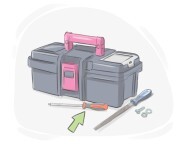
tool
tool
[sostantivo]

something such as a hammer, saw, etc. that is held in the hand and used for a specific job

utensile

utensile

Ex: A wrench is a handy tool for tightening or loosening bolts and nuts. 
Chiudi
Accedi
to prioritize

to give a higher level of importance or urgency to a particular task, goal, or objective compared to others

priorizzare, dare priorità

priorizzare, dare priorità

Ex: She prioritizes her health over everything else. 

Lei dà priorità alla sua salute sopra ogni altra cosa.

Chiudi
Accedi
to monitor
to monitor
[Verbo]

to carefully check the quality, activity, or changes of something or someone for a period of time

monitorare

monitorare

Ex: Journalists often monitor international news channels to stay updated on global events. 
Chiudi
Accedi
degraded
degraded
[aggettivo]

(economics) reduced in monetary value or purchasing power

svalutato, deprezzato
svalutato, deprezzato

Ex: The government replaced the degraded notes with a new currency. 
Chiudi
Accedi
to quantify

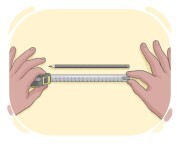
to measure or express something as a number or amount

quantificare, misurare

quantificare, misurare

Ex: The researchers will quantify the amount of rainfall in millimeters. 

I ricercatori quantificheranno la quantità di pioggia in millimetri.

Chiudi
Accedi
to devastate

to destroy something completely

devastare

devastare

Ex: The hurricane devastated the coastal town, leaving homes and businesses in ruins. 

L'uragano ha devastato la città costiera, lasciando case e attività in rovina.

Chiudi
Accedi
human activity
human activity
[sostantivo]

something that people do or cause to happen

attività umana, azione umana

attività umana, azione umana

Chiudi
Accedi
to rear
to rear
[Verbo]

to care for and raise animals until they reach maturity

allevare, nutrire
allevare, nutrire

Ex: The family rears rabbits as a small farming venture. 
Chiudi
Accedi
cattle
cattle
[sostantivo]

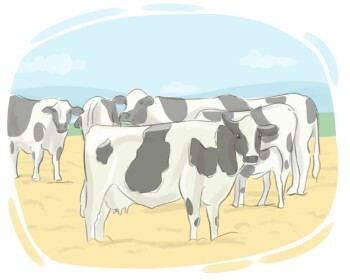
large domesticated animals including cows, bulls, and steers, kept especially for milk or meat

bovini
bovini

Ex: Disease can spread quickly through a large herd of cattle. 
Chiudi
Accedi
logging
logging
[sostantivo]

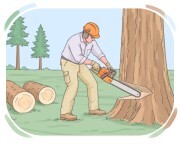
the act of cutting down trees to use their wood

registrazione
registrazione

Ex: The government imposed restrictions on logging to protect endangered species and their habitats. 
Chiudi
Accedi
to pick
to pick
[Verbo]

to choose someone or something out of a group of people or things

scegliere
scegliere

Ex: Can you help me pick the best color for the living room walls? 
Chiudi
Accedi
to achieve
to achieve
[Verbo]

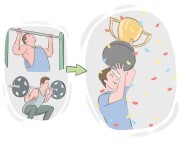
to finally accomplish a desired goal after dealing with many difficulties

ottenere

ottenere

Ex: The student's perseverance and late-night study sessions helped him achieve high scores on the challenging exams. 
Chiudi
Accedi
example
example
[sostantivo]

an occurrence of something

esempio

esempio

Ex: That was the first example of such behavior we had observed. 
Chiudi
Accedi
previously
previously
[avverbio]

before the present moment or a specific time

anteriormente

anteriormente

Ex: The project had been proposed and discussed previously by the team, but no concrete plans were made. 

Il progetto era stato proposto e discusso precedentemente dal team, ma non erano stati fatti piani concreti.
Chiudi
Accedi
site
site
[sostantivo]

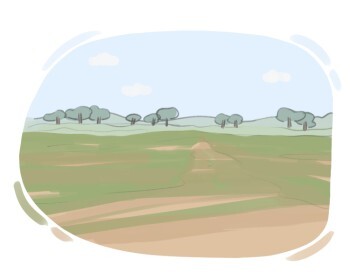
an area of land on which something is, was, or will be constructed

luogo

luogo

Ex: We visited the historical site where the decisive battle took place. 
Chiudi
Accedi
to degrade
to degrade
[Verbo]

(of human activities or natural forces) to gradually break down rocks, mountains, hills, etc.

degradare, deteriorare

degradare, deteriorare

Ex: Erosion degrades the mountain’s surface over centuries. 

L'erosione degrada la superficie della montagna nel corso dei secoli.

Chiudi
Accedi
mining
mining
[sostantivo]

the activity or industry of extracting minerals and other valuable materials from the earth
Ex: Gold mining remains an important source of income for the town. 
Chiudi
Accedi
cement
cement
[sostantivo]

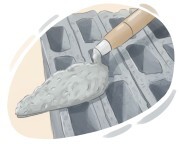
a gray powdery substance that becomes hard if it is mixed with water and sand, used for construction purposes such as sticking bricks of a wall together

cemento

cemento

Ex: She smoothed the wet cement with a trowel, carefully shaping it into the desired form for the garden path. 

Ha lisciato il cemento bagnato con una cazzuola, modellandolo attentamente nella forma desiderata per il sentiero del giardino.
Chiudi
Accedi
topsoil
topsoil
[sostantivo]

the layer of soil on the surface

strato superficiale del suolo, terra vegetale

strato superficiale del suolo, terra vegetale

Chiudi
Accedi
fig
fig
[sostantivo]

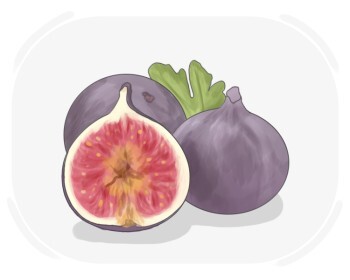
a soft, sweet fruit with thin skin and many small seeds, eaten fresh or dried

fico

fico

Ex: We served the figs with cheese and honey. 
Chiudi
Accedi
keystone
keystone
[sostantivo]

a central element or factor that provides essential support or cohesion to a system or concept

chiave di volta

chiave di volta

Ex: Ethics act as the keystone in the company's corporate culture. 

L'etica agisce come la pietra angolare nella cultura aziendale dell'impresa.

Chiudi
Accedi
role
role
[sostantivo]

what something is used for

ruolo, funzione

ruolo, funzione

Ex: The committee examined the role of technology in modern education. 
Chiudi
Accedi
to play
to play
[Verbo]

to actively influence or impact a situation, event, or outcome

giocare, influenzare
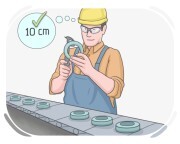
giocare, influenzare

Ex: The weather conditions played a crucial role in determining the outcome of the outdoor event. 
Chiudi
Accedi
to ensure
to ensure
[Verbo]

to make sure that something will happen

assicurare

assicurare

Ex: The captain ensured the safety of the passengers during the storm. 
Chiudi
Accedi
resilience
resilience
[sostantivo]

the ability to recover from difficult situations

resilienza

resilienza

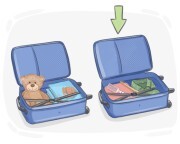
Ex: The resilience of the human spirit can be seen in those who overcome adversity to achieve their dreams. 

La resilienza dello spirito umano può essere vista in coloro che superano le avversità per realizzare i propri sogni.
Chiudi
Accedi
vital
vital
[aggettivo]

absolutely necessary and of great importance

essenziale
essenziale

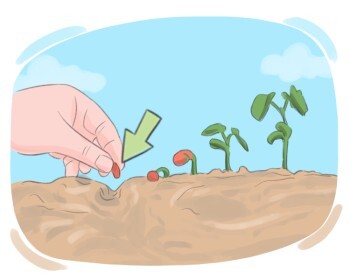
Ex: Education is vital for personal and societal development. 
Chiudi
Accedi
seed
seed
[sostantivo]

a small living part of a plant that when put in the ground, grows into a new one

seme
seme

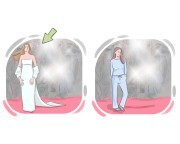
Ex: Plant the seeds about an inch deep in the soil. 
Chiudi
Accedi
appropriate
appropriate
[aggettivo]

suitable or acceptable for a given situation or purpose

appropriato

appropriato

Ex: Using safety gear is appropriate when working with machinery. 
Chiudi
Accedi
genetic
genetic
[aggettivo]

connected to the parts of the DNA in cells, called genes, that determine hereditary traits

genetico

genetico

Ex: Genetic counseling helps individuals and families understand the implications of their genetic makeup and make informed decisions about their health. 

La consulenza genetica aiuta gli individui e le famiglie a comprendere le implicazioni della loro costituzione genetica e a prendere decisioni informate sulla loro salute.

Chiudi
Accedi
diversity
diversity
[sostantivo]

the state of including or containing many different types, characteristics, or elements

diversità

diversità

Ex: The survey revealed a wide diversity of opinions among employees. 
Chiudi
Accedi
variation
variation
[sostantivo]

(biology) an organism that has characteristics resulting from chromosomal alteration

variazione, mutazione
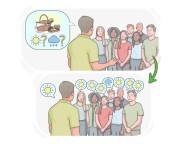
variazione, mutazione

Ex: Each variation was examined for inherited differences. 
Chiudi
Accedi
generally
generally
[avverbio]

in a way that is true in most cases

generalmente

generalmente

Ex: People generally prefer direct flights over layovers. 

Le persone generalmente preferiscono voli diretti piuttosto che scali.

Chiudi
Accedi
to adapt
to adapt
[Verbo]

to change one's behavior or habits in order to deal successfully with a new situation or environment

adattarsi
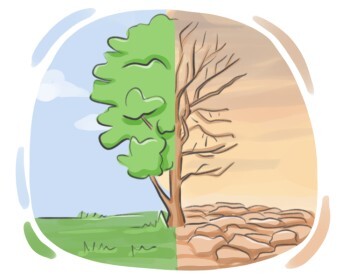
adattarsi

Ex: The animals gradually adapted to the colder climate. 
Chiudi
Accedi
climate change
climate change
[sostantivo]

a permanent change in global or regional climate patterns, including temperature, wind, and rainfall

cambiamenti climatici

cambiamenti climatici

Ex: The effects of climate change are evident in our changing weather patterns. 

Gli effetti del cambiamento climatico sono evidenti nei nostri modelli meteorologici che cambiano.
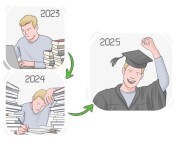
Chiudi
Accedi
ultimately
ultimately
[avverbio]

after doing or considering everything

finalmente

finalmente

Ex: The team explored multiple strategies, and ultimately, they implemented the one with the greatest impact. 

Il team ha esplorato diverse strategie e, alla fine, ha implementato quella con il maggiore impatto.

Chiudi
Accedi
formerly
formerly
[avverbio]

in an earlier period

precedentemente

precedentemente

Ex: The town was formerly a quiet village, but it has transformed into a bustling city. 

La città era precedentemente un villaggio tranquillo, ma si è trasformata in una città vivace.

Chiudi
Accedi
forested
forested
[aggettivo]

covered with forest

boscoso, forestale

boscoso, forestale

Chiudi
Accedi
grassland
grassland
[sostantivo]

a large, open, and grass-covered area

prateria

prateria

Ex: The grassland is home to antelopes and zebras. 

La prateria è la casa di antilopi e zebre.

Chiudi
Accedi
savanna
savanna
[sostantivo]

a flat grassland in tropical or subtropical regions

savana, prateria tropicale

savana, prateria tropicale

Chiudi
Accedi
wetland
wetland
[sostantivo]

an area of land characterized by its soil, water, and vegetation, where the water table is at or near the surface for a significant part of the year

zona umida, palude

zona umida, palude

Ex: Wetlands act as natural buffers against floods by absorbing and slowing the flow of water during heavy rainfall. 

Le zone umide agiscono come cuscinetti naturali contro le inondazioni assorbendo e rallentando il flusso dell'acqua durante forti piogge.
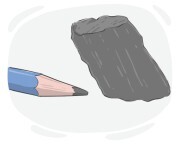
Chiudi
Accedi
carbon
carbon
[sostantivo]

a chemical element present in all living things and in substances such as coal, graphite, and diamond

carbonio

carbonio

Ex: Scientists measured the amount of carbon in the ancient remains. 
Chiudi
Accedi
advantageous
advantageous
[aggettivo]

providing benefits or favorable circumstances

vantaggioso, benefico

vantaggioso, benefico

Ex: The advantageous timing of the sale maximized profits for the business. 

Il tempismo vantaggioso della vendita ha massimizzato i profitti per l'azienda.

Chiudi
Accedi
recreational
recreational
[aggettivo]

relating to activities done for enjoyment or leisure, rather than for work or other obligations

ricreativo, di svago

ricreativo, di svago

Ex: Recreational gaming provides entertainment and mental stimulation through video games or board games. 

Il gioco ricreativo fornisce intrattenimento e stimolazione mentale attraverso videogiochi o giochi da tavolo.

Chiudi
Accedi
to exploit
to exploit
[Verbo]

to use someone or something unfairly for one's own benefit

sfruttare,  approfittare di

sfruttare, approfittare di

Ex: She refused to let anyone exploit her generosity. 
Chiudi
Accedi
to capture
to capture
[Verbo]

to take in and hold something, like an atom, molecule, or particle, during a physical, chemical, or technical process

catturare, intrappolare

catturare, intrappolare

Ex: Researchers measured how quickly the particles were captured. 
Chiudi
Accedi
LanGeek
Scarica l'app LanGeek