
Cambridge IELTS 19 - Académique - Test 4 - Écoute - Partie 4 (2)
Apprenez le vocabulaire de la deuxième partie du Cambridge IELTS 19 Academic, Test 4 Listening Part 4, avec des mots et expressions utiles de cette section.
Réviser
Flashcards
formes
Orthographe
Quiz


to clear an area of trees, typically by cutting them down extensively

déboiser
L'été dernier, le projet de construction a déboisé une grande partie du paysage.
involving a significant numbers of people or a vast area
à grande échelle, de grande envergure
Les projets de construction à grande échelle nécessitent souvent un temps et des ressources considérables.
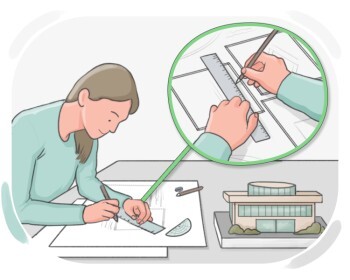
the process of deciding in advance what actions to take and how to carry them out
planification
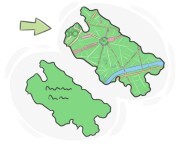
including many specific elements or pieces of information
détaillé
La carte avait des marquages détaillés montrant tous les sentiers de randonnée dans le parc national.
conforming to the most recent developments, updates, or facts
à jour, actualisé
Assurez-vous que votre logiciel est à jour pour éviter tout problème de sécurité.
to find or discover something by searching for its features, characteristics, or details
identifier, reconnaître
the fact or condition of being regarded or treated as more important than others
priorité, préférence
an action, treatment, or manipulation that is introduced by researchers to test its effects on variables of interest
intervention

a flying vehicle such as an aircraft that is controlled from afar and has no pilot
drone
Les drones sont souvent utilisés en agriculture pour surveiller la santé des cultures et gérer les champs efficacement.
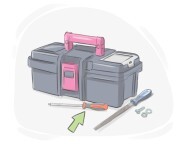
something such as a hammer, saw, etc. that is held in the hand and used for a specific job
outil

to give a higher level of importance or urgency to a particular task, goal, or objective compared to others
prioriser, donner la priorité
L'équipe a priorisé les mesures de sécurité avant tout pendant le projet.

to carefully check the quality, activity, or changes of something or someone for a period of time
surveiller
(economics) reduced in monetary value or purchasing power
dévalué, déprécié
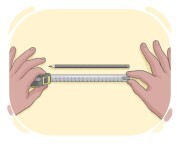
to measure or express something as a number or amount
quantifier, mesurer
Pouvez-vous quantifier le niveau de satisfaction des clients à l'aide d'une échelle de notation ?
to destroy something completely
dévaster
L'incendie de forêt a balayé la forêt, dévastant des hectares de terres et d'habitats fauniques.
to care for and raise animals until they reach maturity
élever, nourrir
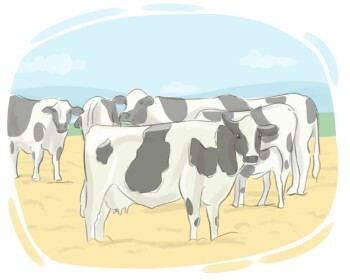
large domesticated animals including cows, bulls, and steers, kept especially for milk or meat
bétail
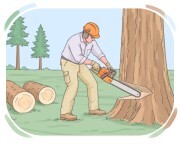
the act of cutting down trees to use their wood
abattage, exploitation forestière
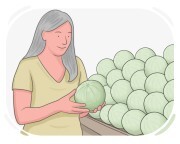
to choose someone or something out of a group of people or things
choisir
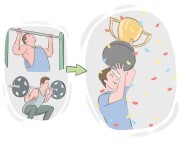
to finally accomplish a desired goal after dealing with many difficulties
atteindre, accomplir
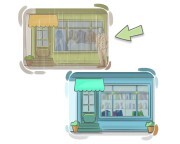
before the present moment or a specific time
auparavant, plus tôt
J'avais précédemment visité la ville pour une conférence avant de m'y installer pour travailler.
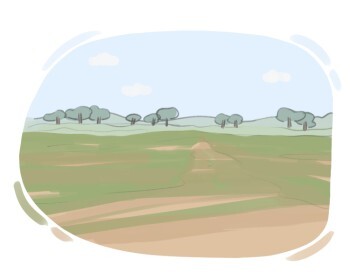
an area of land on which something is, was, or will be constructed
chantier, site

(of human activities or natural forces) to gradually break down rocks, mountains, hills, etc.
dégrader
Les activités de construction peuvent dégrader les paysages naturels.
the activity or industry of extracting minerals and other valuable materials from the earth
exploitation minière, extraction minière
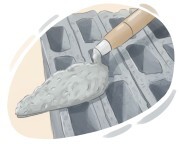
a gray powdery substance that becomes hard if it is mixed with water and sand, used for construction purposes such as sticking bricks of a wall together
ciment
Les trottoirs étaient fissurés et inégaux, nécessitant des réparations et du ciment frais.
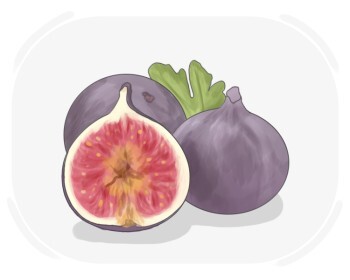
a soft, sweet fruit with thin skin and many small seeds, eaten fresh or dried
figue
a central element or factor that provides essential support or cohesion to a system or concept
clef de voûte, fondement
L'énergie renouvelable est la pierre angulaire du plan de durabilité de la ville.
what something is used for
rôle, fonction
to actively influence or impact a situation, event, or outcome
jouer, influencer
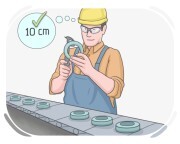
to make sure that something will happen
assurer
the ability to recover from difficult situations
résilience
La communauté a fait preuve de résilience en se rassemblant pour reconstruire les maisons après la tempête dévastatrice.
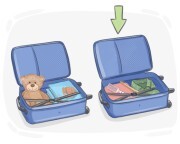
absolutely necessary and of great importance
vital, indispensable, essentiel
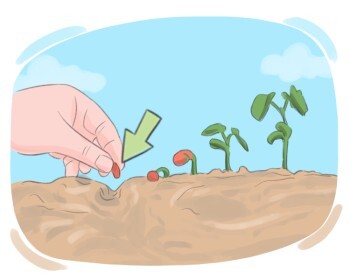
a small living part of a plant that when put in the ground, grows into a new one
graine
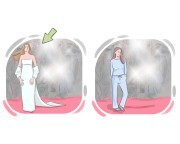
suitable or acceptable for a given situation or purpose
approprié, adapté

connected to the parts of the DNA in cells, called genes, that determine hereditary traits
génétique
Des traits tels que la couleur des yeux et la taille sont influencés par des facteurs génétiques hérités des parents.
the state of including or containing many different types, characteristics, or elements
diversité
(biology) an organism that has characteristics resulting from chromosomal alteration
variation, mutation
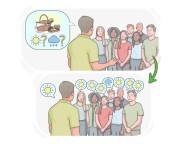
in a way that is true in most cases
généralement
Les enfants apprennent généralement à marcher vers l'âge d'un an.
to change one's behavior or habits in order to deal successfully with a new situation or environment
s'adapter
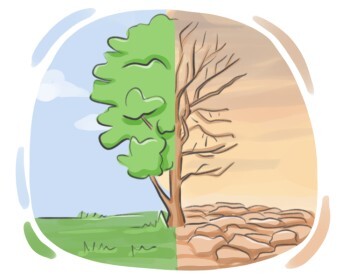
a permanent change in global or regional climate patterns, including temperature, wind, and rainfall
changement climatique
Le changement climatique provoque des changements dans les pratiques agricoles.
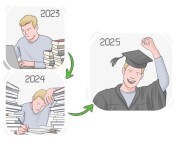
after doing or considering everything
finalement, à terme
Malgré les défis rencontrés en cours de route, ils ont finalement réussi à lancer le produit.
in an earlier period
précédemment, anciennement
Jane autrefois vivait à Paris avant de déménager à Londres pour son nouveau travail.

a large, open, and grass-covered area
prairie
La prairie s'étend sur des kilomètres sans arbres.
an area of land characterized by its soil, water, and vegetation, where the water table is at or near the surface for a significant part of the year
zone humide, marais
Les marais de mangrove sont des zones humides côtières caractérisées par une végétation tolérante au sel, comme les palétuviers.
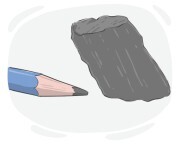
a chemical element present in all living things and in substances such as coal, graphite, and diamond
carbone
providing benefits or favorable circumstances
avantageux, bénéfique
La position avantageuse nous a permis de négocier de meilleures conditions.
relating to activities done for enjoyment or leisure, rather than for work or other obligations
récréatif, de loisirs
Les ligues sportives récréatives offrent des opportunités d'interaction sociale et de compétition amicale.
to use someone or something unfairly for one's own benefit
exploiter
to take in and hold something, like an atom, molecule, or particle, during a physical, chemical, or technical process
capturer, piéger
