pattern

Cambridge IELTS 19 - Academic - Test 4 - Słuchanie - Część 4 (2)

Ucz się słownictwa z drugiej części Cambridge IELTS 19 Academic, Test 4 Listening Part 4, z przydatnymi słowami i wyrażeniami z tej sekcji.

Przegląd

Fiszki

formy

Pisownia

Test

Zacznij naukę
Cambridge IELTS 19 - Academic
to deforest
to deforest
[Czasownik]

to clear an area of trees, typically by cutting them down extensively

wylesiać, deforestować

wylesiać, deforestować

Ex: Next month, the government plans to deforest the area for urban development. 

W przyszłym miesiącu rząd planuje wylesić teren pod rozwój miejski.

large-scale
large-scale
[przymiotnik]

involving a significant numbers of people or a vast area

na dużą skalę, zakrojony na szeroką skalę

na dużą skalę, zakrojony na szeroką skalę

Ex: Large-scale farming operations can produce vast quantities of crops. 

Duże operacje rolnicze mogą produkować ogromne ilości plonów.
planning
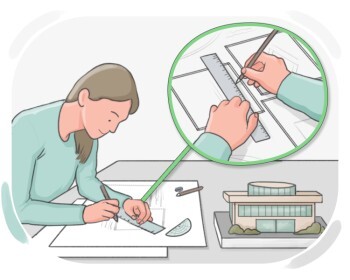
planning
[Rzeczownik]

the process of deciding in advance what actions to take and how to carry them out

planowanie
planowanie

Ex: Careful planning helped the project finish ahead of schedule. 
detailed
detailed
[przymiotnik]

including many specific elements or pieces of information

szczegółowy, dokładny

szczegółowy, dokładny

Ex: The detective took detailed notes during the investigation to ensure nothing was overlooked. 

Detektyw robił szczegółowe notatki podczas śledztwa, aby upewnić się, że nic nie zostało pominięte.

up-to-date
up-to-date
[przymiotnik]

conforming to the most recent developments, updates, or facts

aktualny, zaktualizowany

aktualny, zaktualizowany

Ex: The team worked hard to submit the up-to-date findings before the deadline. 

Zespół ciężko pracował, aby przed terminem przesłać aktualne ustalenia.

to identify
to identify
[Czasownik]

to find or discover something by searching for its features, characteristics, or details

zidentyfikować, rozpoznać

zidentyfikować, rozpoznać

Ex: She identified the song as soon as it started playing. 
priority
priority
[Rzeczownik]

the fact or condition of being regarded or treated as more important than others

priorytet, preferencja

priorytet, preferencja

Ex: Safety is always a top priority in our workplace. 
intervention
intervention
[Rzeczownik]

an action, treatment, or manipulation that is introduced by researchers to test its effects on variables of interest

interwencja

interwencja

Ex: The intervention targeted at-risk youth and aimed to improve academic performance and reduce dropout rates. 
drone
drone
[Rzeczownik]

a flying vehicle such as an aircraft that is controlled from afar and has no pilot

dron, bezzałogowy statek powietrzny

dron, bezzałogowy statek powietrzny

Ex: During the search and rescue mission, drones provided crucial aerial views of the disaster zone. 

Podczas misji poszukiwawczo-ratowniczej drony dostarczyły kluczowe widoki z powietrza strefy katastrofy.
tool
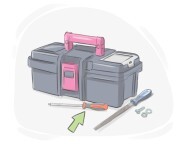
tool
[Rzeczownik]

something such as a hammer, saw, etc. that is held in the hand and used for a specific job

narzędzie

narzędzie

Ex: The carpenter used a hammer as his primary tool for driving nails. 
to prioritize
to prioritize
[Czasownik]

to give a higher level of importance or urgency to a particular task, goal, or objective compared to others

priorytetyzować, nadawać priorytet

priorytetyzować, nadawać priorytet

Ex: We are prioritizing customer satisfaction in our business strategy. 

Priorytetyzujemy zadowolenie klienta w naszej strategii biznesowej.

to monitor
to monitor
[Czasownik]

to carefully check the quality, activity, or changes of something or someone for a period of time

monitorować,  nadzorować

monitorować, nadzorować

Ex: Parents often need to monitor their children's online activities to ensure a safe digital environment. 
degraded
degraded
[przymiotnik]

(economics) reduced in monetary value or purchasing power

zdewaluowany, o obniżonej wartości
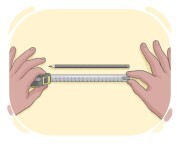
zdewaluowany, o obniżonej wartości

Ex: Investors avoided assets denominated in degraded money. 
to quantify
to quantify
[Czasownik]

to measure or express something as a number or amount

kwantyfikować, mierzyć

kwantyfikować, mierzyć

Ex: The accountant will quantify the company's expenses for the fiscal year. 

Księgowy skwantyfikuje wydatki firmy na rok obrotowy.

to devastate
to devastate
[Czasownik]

to destroy something completely

dewastować, niszczyć

dewastować, niszczyć

Ex: Economic downturns can devastate small businesses that rely on steady consumer spending. 

Spowolnienia gospodarcze mogą zdziesiątkować małe firmy, które polegają na stałych wydatkach konsumentów.

human activity
human activity
[Rzeczownik]

something that people do or cause to happen

działalność człowieka, czynność ludzka

działalność człowieka, czynność ludzka

to rear
to rear
[Czasownik]

to care for and raise animals until they reach maturity

hodować, wychowywać
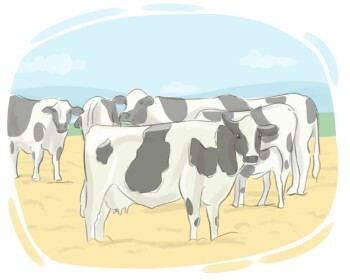
hodować, wychowywać

Ex: The farmer rears cows for dairy production. 
cattle
cattle
[Rzeczownik]

large domesticated animals including cows, bulls, and steers, kept especially for milk or meat

bydło,  bydło rogate
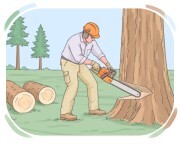
bydło, bydło rogate

Ex: They moved the cattle to higher ground before the storm. 
logging
logging
[Rzeczownik]

the act of cutting down trees to use their wood

wycinka drzew, pozyskiwanie drewna
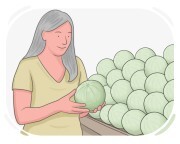
wycinka drzew, pozyskiwanie drewna

Ex: Sustainable logging practices aim to minimize the ecological impact on forest ecosystems. 
to pick
to pick
[Czasownik]

to choose someone or something out of a group of people or things

wybierać, selekcjonować
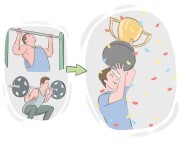
wybierać, selekcjonować

Ex: She carefully picked a ripe apple from the tree. 
to achieve
to achieve
[Czasownik]

to finally accomplish a desired goal after dealing with many difficulties

osiągać, realizować

osiągać, realizować

Ex: After years of hard work and dedication, she finally achieved her dream of becoming a published author. 
example
example
[Rzeczownik]

an occurrence of something

przykład

przykład

Ex: She gave an example of a similar situation. 
previously
previously
[przysłówek]

before the present moment or a specific time

wcześniej, poprzednio

wcześniej, poprzednio

Ex: I had previously attended a similar workshop, so I was familiar with the content. 

Wcześniej uczestniczyłem w podobnym warsztacie, więc znałem jego zawartość.
site
site
[Rzeczownik]

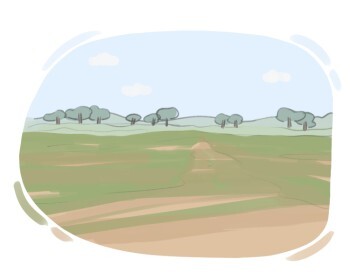
an area of land on which something is, was, or will be constructed

teren, plac

teren, plac

Ex: The construction workers cleared the site for the new office building. 
to degrade
to degrade
[Czasownik]

(of human activities or natural forces) to gradually break down rocks, mountains, hills, etc.

degradować, niszczyć

degradować, niszczyć

Ex: The constant freeze and thaw cycles degrade the rock faces. 

Stałe cykle zamarzania i rozmrażania niszczą powierzchnie skał.

mining
mining
[Rzeczownik]

the activity or industry of extracting minerals and other valuable materials from the earth

górnictwo,  wydobycie
górnictwo, wydobycie

Ex: The government introduced stricter safety rules for underground mining. 
cement
cement
[Rzeczownik]

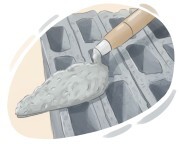
a gray powdery substance that becomes hard if it is mixed with water and sand, used for construction purposes such as sticking bricks of a wall together

cement

cement

Ex: The ancient Roman aqueducts were constructed using a mixture of cement, sand, and volcanic ash. 

Starożytne rzymskie akwedukty były budowane przy użyciu mieszanki cementu, piasku i popiołu wulkanicznego.
topsoil
topsoil
[Rzeczownik]

the layer of soil on the surface

wierzchnia warstwa gleby, gleba powierzchniowa

wierzchnia warstwa gleby, gleba powierzchniowa

fig
fig
[Rzeczownik]

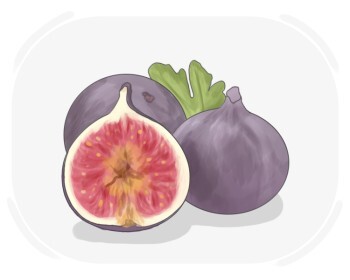
a soft, sweet fruit with thin skin and many small seeds, eaten fresh or dried

figa,  figi

figa, figi

Ex: The tree produces ripe figs in late summer. 
keystone
keystone
[Rzeczownik]

a central element or factor that provides essential support or cohesion to a system or concept

kamień węgielny, element centralny

kamień węgielny, element centralny

Ex: Communication was the keystone of the team's success. 

Komunikacja była kamieniem węgielnym sukcesu zespołu.

role
role
[Rzeczownik]

what something is used for

rola, funkcja

rola, funkcja

Ex: Trees have a vital role in reducing soil erosion. 
to play
to play
[Czasownik]

to actively influence or impact a situation, event, or outcome

grać, wpływać

grać, wpływać

Ex: Every citizen has a role to play in building a strong and cohesive community. 
to ensure
to ensure
[Czasownik]

to make sure that something will happen

zapewniać, gwarantować

zapewniać, gwarantować

Ex: She ensures the quality of the products before they are shipped. 
resilience
resilience
[Rzeczownik]

the ability to recover from difficult situations

odporność

odporność

Ex: After losing her job, Sarah showed remarkable resilience by quickly finding a new position and adapting to her new workplace. 

Po utracie pracy Sarah wykazała się niezwykłą odpornością, szybko znajdując nowe stanowisko i przystosowując się do nowego miejsca pracy.
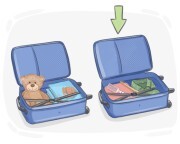
vital
vital
[przymiotnik]

absolutely necessary and of great importance

istotny, niezbędny
istotny, niezbędny

Ex: Education is vital for personal and societal development. 
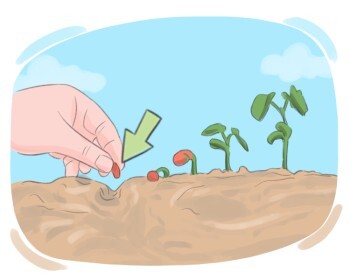
seed
seed
[Rzeczownik]

a small living part of a plant that when put in the ground, grows into a new one

nasiono, ziarno

nasiono, ziarno

Ex: With proper care and attention, even the tiniest seed has the potential to grow into a towering tree. 
appropriate
appropriate
[przymiotnik]

suitable or acceptable for a given situation or purpose

odpowiedni, stosowny

odpowiedni, stosowny

Ex: Using safety gear is appropriate when working with machinery. 
genetic
genetic
[przymiotnik]

connected to the parts of the DNA in cells, called genes, that determine hereditary traits

genetyczny

genetyczny

Ex: Genetic engineering techniques allow scientists to modify the DNA of organisms for various purposes, such as crop improvement or medical research. 

Techniki inżynierii genetycznej pozwalają naukowcom modyfikować DNA organizmów w różnych celach, takich jak poprawa plonów lub badania medyczne.

diversity
diversity
[Rzeczownik]

the state of including or containing many different types, characteristics, or elements

różnorodność,  rozmaitość

różnorodność, rozmaitość

Ex: Sarah appreciates the cultural diversity of her neighborhood. 
variation
variation
[Rzeczownik]

(biology) an organism that has characteristics resulting from chromosomal alteration

wariacja, mutacja
wariacja, mutacja

Ex: The laboratory maintained several variations for genetic research. 
generally
generally
[przysłówek]

in a way that is true in most cases

ogólnie, zazwyczaj

ogólnie, zazwyczaj

Ex: That kind of software is generally expensive. 

Tego rodzaju oprogramowanie jest zazwyczaj drogie.

to adapt
to adapt
[Czasownik]

to change one's behavior or habits in order to deal successfully with a new situation or environment

przystosować się,  adaptować się
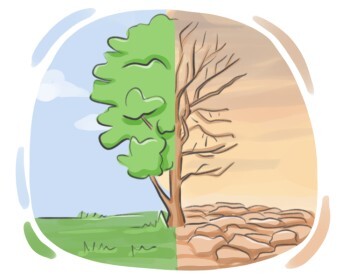
przystosować się, adaptować się

Ex: She has adapted well to working from home. 
climate change
climate change
[Rzeczownik]

a permanent change in global or regional climate patterns, including temperature, wind, and rainfall

zmiana klimatu, globalne ocieplenie

zmiana klimatu, globalne ocieplenie

Ex: Some species are threatened with extinction due to climate change. 

Niektóre gatunki są zagrożone wyginięciem z powodu zmian klimatu.
ultimately
ultimately
[przysłówek]

after doing or considering everything

ostatecznie, w końcu

ostatecznie, w końcu

Ex: He pursued different career paths, but ultimately, he found fulfillment in entrepreneurship. 

Próbował różnych ścieżek kariery, ale ostatecznie znalazł spełnienie w przedsiębiorczości.

formerly
formerly
[przysłówek]

in an earlier period

dawniej, niegdyś

dawniej, niegdyś

Ex: Formerly, the company operated under a different name. 

Dawniej firma działała pod inną nazwą.

forested
forested
[przymiotnik]

covered with forest

zalesiony, pokryty lasem

zalesiony, pokryty lasem

grassland
grassland
[Rzeczownik]

a large, open, and grass-covered area

łąka, pastwisko

łąka, pastwisko

Ex: Farmers use grasslands for cattle grazing. 

Rolnicy wykorzystują łąki do wypasu bydła.

savanna
savanna
[Rzeczownik]

a flat grassland in tropical or subtropical regions

sawanna, tropikalna łąka

sawanna, tropikalna łąka

wetland
wetland
[Rzeczownik]

an area of land characterized by its soil, water, and vegetation, where the water table is at or near the surface for a significant part of the year

obszar podmokły, bagno

obszar podmokły, bagno

Ex: In the spring, certain wetlands serve as essential breeding grounds for amphibians, providing suitable habitats for their life cycles. 

Wiosną niektóre mokradła służą jako istotne tereny lęgowe dla płazów, zapewniając odpowiednie siedliska dla ich cyklów życiowych.

carbon
carbon
[Rzeczownik]

a chemical element present in all living things and in substances such as coal, graphite, and diamond

węgiel,  węgiel

węgiel, węgiel

Ex: Plants obtain carbon from carbon dioxide in the atmosphere. 
advantageous
advantageous
[przymiotnik]

providing benefits or favorable circumstances

korzystny, pożyteczny

korzystny, pożyteczny

Ex: His advantageous connections helped him secure a job quickly. 

Jego korzystne znajomości pomogły mu szybko znaleźć pracę.

recreational
recreational
[przymiotnik]

relating to activities done for enjoyment or leisure, rather than for work or other obligations

rekreacyjny, wypoczynkowy

rekreacyjny, wypoczynkowy

Ex: Recreational hobbies like painting or gardening offer creative outlets and personal fulfillment. 

Hobby rekreacyjne, takie jak malowanie czy ogrodnictwo, oferują kreatywne ujście i osobiste spełnienie.

to exploit
to exploit
[Czasownik]

to use someone or something unfairly for one's own benefit

eksploatować,  wykorzystywać

eksploatować, wykorzystywać

Ex: The company had been exploiting young employees for years. 
to capture
to capture
[Czasownik]

to take in and hold something, like an atom, molecule, or particle, during a physical, chemical, or technical process

przechwycić, zatrzymać

przechwycić, zatrzymać

Ex: The atom can capture a neutron during a nuclear reaction. 
LanGeek
Pobierz aplikację LanGeek