

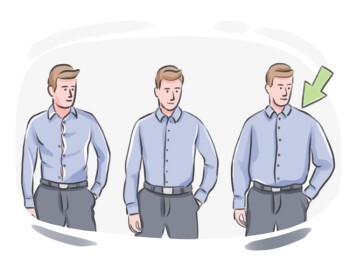
(of clothing) large, comfortable, and not fitting the body closely

ゆったりとした, 快適な
ゆったりとした服は、運動するのに快適です。

a sense of self-respect, dignity, or personal worth
誇り, 自尊心
彼女はマラソンを完走した後、誇りを感じた。
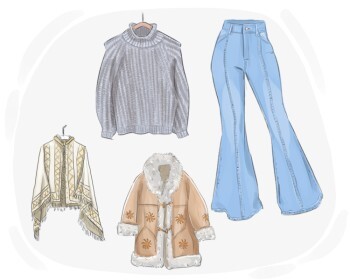
the items that we wear, particularly a specific type of items
衣服, 衣類
いくつかの文化には、重要な文化的価値を持つ伝統的な衣服があります。

the unique personality that persists within an individual
アイデンティティ, 個性
その本は急速に変化する世界におけるアイデンティティのテーマを探求しています。
an established way of thinking or doing something among a specific group of people
伝統, 習慣
毎年、家族は休日の夕食に集まるという伝統に従います。
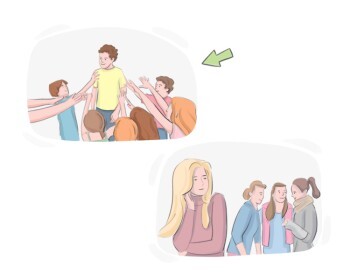
receiving a lot of love and attention from many people
人気のある, 愛されている
寿司は日本料理が好きな人々の間で人気のある食べ物の選択肢です。
in many different countries and regions of Earth

to have a particular meaning or represent something
意味する, 表す
彼の沈黙は、彼が同意していないことを意味する可能性があります。

the typical weather conditions of a particular region
気候, 気象条件
彼女は暖かい気温と豊富な降雨がある熱帯の気候を好みます。
movement in the United States beginning in the 1960s and led primarily by Blacks in an effort to establish the civil rights of individual Black citizens
公民権運動, 市民権運動
to resist, object to, or challenge something such as a plan, rule, or demand
反対する, 抵抗する
the belief that certain races are superior to others
人種差別, 人種差別主義
彼らは人種差別についての認識を高めるためのキャンペーンを開始しました。
the place or point where something begins or originates
起源, 源
民主主義のルーツは古代ギリシャにあります。
to have information, meaning, or condition
含む, 持つ
彼女は新しい仕事が彼女に何をもたらすのか考えています。
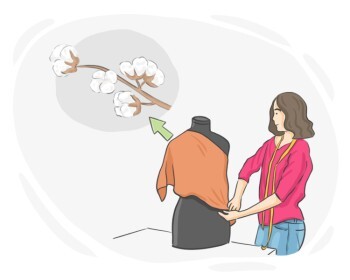
cloth made from the fibers of the cotton plant, naturally soft and comfortable against the skin
綿
コットン生地は、その通気性と快適さから、特に暑い夏の日に私のワードローブの定番です。
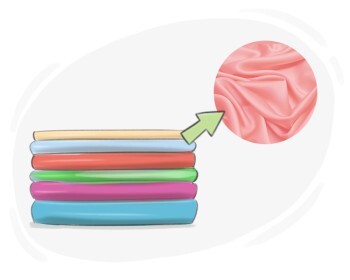
a type of smooth soft fabric made from the threads that silkworms produce
絹
彼女は首にシルクのスカーフを巻き、肌に触れる冷たく滑らかな感触を楽しんだ。

to convey a particular meaning, either explicitly or implicitly
表す, 象徴する
旗の色とシンボルは、国の価値を誇りを持って表しています。

a period or state where there is no war or violence
平和
長年の紛争の後、その地域はついに持続的な平和と安定の時期を経験しました。
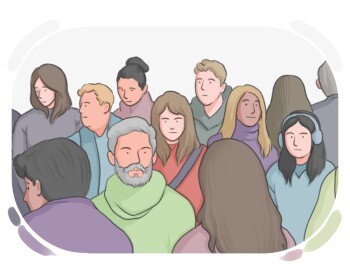
a group of people who live in the same area
コミュニティ, 共同体
学校は教育と資源を提供する、コミュニティの重要な一部です。
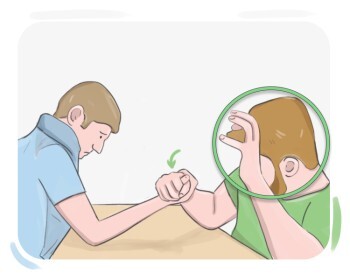
the quality or state of being physically or mentally strong
強さ, 力
彼女の性格の強さは、人生の多くの課題を乗り越えるのに役立ちました。

the quality to face danger or hardship without giving in to fear
勇気, 勇敢さ
大勢の聴衆の前で話すには多くの勇気が必要です。

the process of physical, mental, or emotional development
成長, 発達
自己反省と他者からの支援を求めることで、感情的な成長を達成することができます。
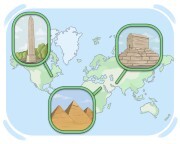
the customs, traditions, rituals, and behaviors that are inherited and preserved within a community or society over time
遺産, 文化的遺産
この祭りは、伝統的な踊りと音楽で私たちの文化的遺産を祝います。
capable of adjusting easily to different situations, circumstances, or needs
柔軟な, 適応性のある
問題解決に対する彼女の柔軟なアプローチは、彼女を優れたチームメンバーにした。
used to say that people's actions show their true intentions or beliefs more clearly than their words

to make something happen or be created by giving rise to ideas
刺激する, 鼓舞する
その映画は、ファッショントレンドの新しい波を刺激しました。

following the latest or the most popular styles and trends in a specific period
ファッショナブル, 流行に敏感な
おしゃれなブティックは、厳選されたトレンディな服やアクセサリーで顧客を引きつけます。
a center of public focus
スポットライト, 注目の的
若い俳優はすぐにスポットライトを浴びるようになった。

a fashion or style that is popular at a particular time
トレンド, 流行
このトレンドは、人々が仕事でどのように服装するかに影響を与えました。

a set of clothes that one wears together, especially for an event or occasion
服装, 衣装
彼女は面接のために自分の服装を慎重に選び、良い印象を与えたいと思った。

to be prominent and easily noticeable
目立つ, 際立つ
輝くネオンサインが、そのカフェを通りの他の店の中でも目立たせた。
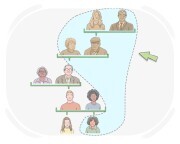
a blood relative who lived a long time ago, usually before one's grandparents
先祖, 祖先
彼女は、自分の祖先の一人が南北戦争で戦ったことを発見した。
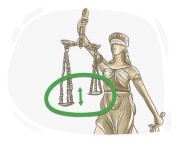
lacking fairness or justice in treatment or judgment
不公平な, 偏った
一部の学生が試験で追加の時間を得る一方で、他の学生が得ないのは不公平です。
the manner or method of managing or dealing with something or someone
扱い, 管理方法
博物館での歴史的遺物の取り扱いは、その完全性を保つために最大限の注意を払って行われます。
a strenuous effort, especially involving difficulty or exertion
闘争, 努力
彼は重い箱を持ち上げるために努力しました。
complex and challenging to fully comprehend
深い, 複雑な
彼の哲学的議論は深遠で、しばしば聴衆を当惑させた。
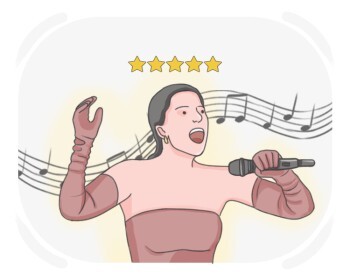
someone who entertains an audience, such as an actor, singer, musician, etc.
パフォーマー, 演奏者
彼女はドラマチックな役柄もコメディーの役柄もこなす多才なパフォーマーです。
the state or condition of being liked, admired, or supported by many people
人気, 名声
ソーシャルメディアプラットフォームは、トレンドの人気において重要な役割を果たしています。
