pattern

本 Interchange - 中上級 - ユニット14

ここでは、Interchange Upper-Intermediate教科書のユニット14の語彙が見つかります。例えば「同時に」、「社説」、「保証」などです。

レビュー

フラッシュカード

語形

綴り

クイズ
学習を開始
Interchange - Upper-intermediate
milestone
milestone
[名詞]

an event or stage that has a very important impact on the progress of something

画期的な出来事, 節目

画期的な出来事, 節目

Ex: Graduating from college was a major milestone in her life. 

大学を卒業することは、彼女の人生における大きな節目でした。

contemporary
contemporary
[形容詞]

having a modern or current style or design, often reflecting up-to-date trends

現代の, モダンな

現代の, モダンな

Ex: They designed a contemporary home, using sustainable materials and open layouts. 
feature
feature
[名詞]

an important or distinctive aspect of something

特徴, 機能
特徴, 機能

Ex: The historical landmark's most notable feature is its distinctive architecture dating back to the 18th century. 
entirely
entirely
[副詞]

to the fullest or complete degree

完全に, 全く

完全に, 全く

Ex: The puzzle was entirely solved by the dedicated team. 

パズルは献身的なチームによって完全に解決されました。

simultaneously

at exactly the same time

同時に, 同じ時に

同時に, 同じ時に

Ex: The two dancers performed different routines simultaneously on the stage. 

二人のダンサーがステージで異なるルーティンを同時に披露しました。

unexpected
unexpected
[形容詞]

happening or appearing without warning, causing surprise

予期しない, 不意の

予期しない, 不意の

Ex: Her unexpected act of kindness toward a stranger warmed the hearts of those who witnessed it. 

見知らぬ人に対する彼女の予期せぬ親切な行為は、それを見た人々の心を温めた。

predictable
predictable
[形容詞]

easily anticipated or expected to happen based on past experiences or knowledge

予測可能な, 予想通り

予測可能な, 予想通り

Ex: The movie's predictable plot followed a typical Hollywood formula. 

その映画の予測可能なプロットは、典型的なハリウッドの手法に従っていた。

defeated
defeated
[形容詞]

having been beaten in a competition, battle, or struggle

敗北した, 打ち負かされた

敗北した, 打ち負かされた

Ex: Despite their best efforts, the defeated candidate conceded the election. 

彼らの最善の努力にもかかわらず、敗れた候補者は選挙を認めた。

script
script
[名詞]

the written text containing the words and often directions for a movie, play, broadcast, or similar production

脚本
脚本

Ex: Rachel read the script before agreeing to appear in the movie. 
to add
to add
[動詞]

to put things together to make them bigger in size or quantity

加える, 足す
加える, 足す

Ex: They added more shelves to the library for extra books. 
title
title
[名詞]

the name given to a movie, book, etc.

タイトル, 名称
タイトル, 名称

Ex: He spent weeks deciding on the perfect title for his new novel. 
credit
credit
[名詞]

(plural) a list of names at the start or end of a TV program or movie acknowledging the people involved in its production

クレジット, スタッフロール

クレジット, スタッフロール

Ex: They stayed until the end of the movie to read the credits and appreciate everyone's contributions. 
creative
creative
[形容詞]

using imagination and original ideas to create or develop something

using imagination and original ideas to create or develop something

using imagination and original ideas to create or develop something

Ex: Emma found a creative way to organize the small apartment. 
manager
manager
[名詞]

someone who is in charge of running a business or managing part or all of a company or organization

マネージャー, 管理者

マネージャー, 管理者

Ex: The new manager introduced some effective strategies to improve sales. 
club
club
[名詞]

a place where people, especially young people, go to dance, listen to music, or spend time together

ナイトクラブ,  クラブ

ナイトクラブ, クラブ

Ex: We celebrated her birthday at the club with a live band. 
editorial
editorial
[形容詞]

relating to an article that expresses opinions or perspectives, especially in newspapers or magazines

社説の, 編集部の

社説の, 編集部の

Ex: They discussed the editorial approach to controversial topics. 
director
director
[名詞]

a person who manages or is in charge of an activity, department, or organization

ディレクター, 監督

ディレクター, 監督

Ex: She's the director of the nonprofit organization, coordinating fundraising events and community outreach programs. 
animator
animator
[名詞]

a person who creates moving images, such as cartoons, using various techniques and software

アニメーター, 動画作家
アニメーター, 動画作家

programmer
programmer
[名詞]

a person who writes computer programs

プログラマー, 開発者

プログラマー, 開発者

Ex: She's a skilled programmer who develops mobile applications for smartphones. 

彼女はスマートフォン向けのモバイルアプリケーションを開発する熟練したプログラマーです。
news
news
[名詞]

reports on recent events that are broadcast or published

ニュース, 報道

ニュース, 報道

Ex: The morning news provided updates on the latest developments in the election. 

朝のニュースは選挙の最新動向についての更新を提供しました。

photographer
photographer
[名詞]

a person who takes photographs as a job or hobby

写真家,  フォトグラファー

写真家, フォトグラファー

Ex: Emma works as a professional photographer. 
songwriter
songwriter
[名詞]

someone who writes the words of songs and sometimes their music

ソングライター, 作詞家

ソングライター, 作詞家

Ex: The songwriter penned a heartfelt ballad that resonated with fans worldwide. 

ソングライターは、世界中のファンに共感を呼んだ心温まるバラードを書いた。

storyboard
storyboard
[名詞]

a set of pictures or drawings depicting the outline of the plot of a movie, TV series, etc.

ストーリーボード, 絵コンテ

ストーリーボード, 絵コンテ

Ex: The director reviewed the storyboard before filming the scene. 

監督はシーンを撮影する前にストーリーボードを確認しました。

artist
artist
[名詞]

someone who creates drawings, sculptures, paintings, etc. either as their job or hobby

芸術家, 画家

芸術家, 画家

Ex: The music festival featured artists from around the world. 
stunt
stunt
[名詞]

a difficult, unusual, or risky action performed to attract attention

曲芸, 宣伝のためのパフォーマンス

曲芸, 宣伝のためのパフォーマンス

Ex: Publicity stunts often go viral on social media. 

宣伝のスタントはしばしばソーシャルメディアでバイラルになる。

talk show
talk show
[名詞]

a type of TV or radio program on which famous people appear as guests to answer questions about themselves or other subjects

トークショー, 対談番組

トークショー, 対談番組

Ex: She appeared on a talk show to discuss her new book. 

彼女は新しい本について話し合うためにトークショーに出演しました。

host
host
[名詞]

the person in front of a camera who talks about different topics or invites guests to a TV or radio show

司会者, ホスト

司会者, ホスト

Ex: As a radio show host, he brought humor and wit to every broadcast. 
quality
quality
[名詞]

the grade, level, or standard of something's excellence measured against other things

品質

品質

Ex: He evaluated the quality of the research paper based on its thoroughness and originality. 
assurance
assurance
[名詞]

a firm promise or pledge that something will be done or provided

Ex: The landlord gave us an assurance that the heating would be repaired immediately. 
analyst
analyst
[名詞]

a person whose job is to examine information or a particular subject in detail and interpret or evaluate it
Ex: Financial analysts expect the company to report higher profits this year. 
content
content
[名詞]

(usually plural) the things that are held, included, or contained within something

内容, 内容物

内容, 内容物

Ex: Carefully, she placed the contents of the drawer into a separate container. 
manager
manager
[名詞]

someone who is in charge of running a business or managing part or all of a company or organization

マネージャー, 管理者

マネージャー, 管理者

Ex: The new manager introduced some effective strategies to improve sales. 
amateur
amateur
[名詞]

a person who lacks skill or experience in a particular activity

素人, アマチュア

素人, アマチュア

Ex: The repair was clearly done by an amateur. 
conflict
conflict
[名詞]

a disagreement or argument over something important

紛争, 意見の相違
紛争, 意見の相違

Ex: A conflict arose regarding the project's budget. 
dangerous
dangerous
[形容詞]

capable of destroying or causing harm to a person or thing

危険な

危険な

Ex: Crossing the road without looking is dangerous. 

見ずに道路を横断するのは危険です。

major
major
[形容詞]

serious and of great importance

重要な, 深刻な

重要な, 深刻な

Ex: His major contribution to the field of science earned him international recognition. 
social event
social event
[名詞]

a social gathering or occasion where people come together to interact and socialize with each other

社交イベント, 社交集会

社交イベント, 社交集会

truth
truth
[名詞]

the true principles or facts about something, in contrast to what is imagined or thought

真実, 現実

真実, 現実

Ex: Philosophers and thinkers have debated the nature of truth for centuries. 
extra
extra
[名詞]

a person hired to appear in a film or television production, typically in the background of scenes to add realism

エキストラ,  脇役

エキストラ, 脇役

Ex: The casting call for the movie sought extras to portray attendees at the large public event. 
to register
to register
[動詞]

to enter one's name in a list of an institute, school, etc.

登録する, 申し込む

登録する, 申し込む

Ex: She plans to register for the science club at the start of the school year. 
agency
agency
[名詞]

a business or organization that provides services to other parties, especially by representing them in transactions

代理店, 事務所

代理店, 事務所

Ex: An advertising agency creates and manages marketing campaigns for various businesses. 
exclusively
exclusively
[副詞]

in a manner that is only available to a particular person, group, or thing

独占的に

独占的に

Ex: The VIP lounge at the airport is exclusively for first-class passengers. 

空港のVIPラウンジは、ファーストクラスの乗客専用です。

reasonable
reasonable
[形容詞]

(of a person) showing good judgment and acting by reason

合理的な, 分別のある

合理的な, 分別のある

Ex: A reasonable man would consider all sides before deciding. 

理性的な人は、決定する前にすべての側面を考慮するだろう。

to explode
to explode
[動詞]

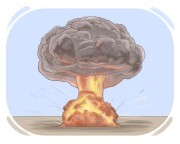
to burst apart violently and usually with a loud noise

爆発する, 破裂する
爆発する, 破裂する

Ex: A gas cylinder exploded behind the building. 
explosion
explosion
[名詞]

a sudden violent release of energy that causes gases or other material to expand rapidly, often with heat, noise, and destruction

爆発,  炸裂

爆発, 炸裂

Ex: The explosion shattered several nearby windows. 
jury
jury
[名詞]

a group of people chosen to hear the evidence in a court case and reach a verdict

Ex: The jury found the defendant not guilty. 
convincing
convincing
[形容詞]

able to make someone believe that something is right or true

説得力のある

説得力のある

Ex: The convincing evidence presented by the prosecutor left no doubt of the defendant's guilt. 

検察官によって提示された説得力のある証拠は、被告の有罪について疑いの余地を残さなかった。

challenging
challenging
[形容詞]

difficult to accomplish, requiring skill or effort

挑戦的な, 難しい

挑戦的な, 難しい

Ex: Solving the puzzle proved to be challenging, requiring creative thinking and problem-solving skills. 

パズルを解くことは挑戦的であることが証明され、創造的な思考と問題解決スキルを必要としました。

to notice
to notice
[動詞]

to pay attention and become aware of a particular thing or person

気づく, 注目する

気づく, 注目する

Ex: Please let me know if you notice any unusual behavior in the software. 
to compare
to compare
[動詞]

to examine or look for the differences between of two or more objects

比較する, 見比べる

比較する, 見比べる

Ex: Before choosing a hotel, it's wise to compare customer reviews online. 
tutorial
tutorial
[名詞]

a course of instruction that is presented to an individual or a small number of students, typically focused on a specific subject or topic

チュートリアル, 個別指導

チュートリアル, 個別指導

Ex: She attended a tutorial on essay writing to improve her academic writing skills. 

彼女は学術的なライティングスキルを向上させるために、エッセイライティングに関するチュートリアルに参加しました。

to rehearse
to rehearse
[動詞]

to practice a play, piece of music, etc. before the public performance

リハーサルする, 練習する

リハーサルする, 練習する

Ex: The actors gathered in the theater to rehearse their lines and perfect their stage movements before the opening night. 

俳優たちは初日の前に、セリフをリハーサルし、舞台の動きを完璧にするために劇場に集まりました。

to shoot
to shoot
[動詞]

to film or take a photograph of something

撮影する, 写真を撮る

撮影する, 写真を撮る

Ex: He will shoot the scene at dawn to capture the best light. 
to find
to find
[動詞]

to search and discover something or someone that we have lost or do not know the location of

見つける, 発見する

見つける, 発見する

Ex: They found their lost dog in the neighbor's yard. 
location
location
[名詞]

the geographic position of someone or something

場所, 位置

場所, 位置

Ex: The GPS coordinates provided the precise location of the archaeological site. 
to edit
to edit
[動詞]

to select, arrange, and remove parts of recorded material to prepare a film, television program, or other recording for presentation

編集する,  エディットする

編集する, エディットする

Ex: Emma spent several weeks editing the documentary. 
World Wide Web

a network of information that is accessible to people when they use the internet

ワールドワイドウェブ, グローバルウェブ

ワールドワイドウェブ, グローバルウェブ

Ex: I spent the whole afternoon browsing the World Wide Web for new recipes. 

私は新しいレシピを探して午後中World Wide Webを閲覧していました。

disc jockey
disc jockey
[名詞]

someone who announces or plays popular recorded music on radio or TV, or at a disco, club, etc.

ディスクジョッキー, DJ

ディスクジョッキー, DJ

Ex: The disc jockey played a mix of old and new hits to keep the dance floor packed all night. 

ディスクジョッキーは、ダンスフロアを一晩中混雑させるために、新旧のヒット曲をミックスして演奏しました。

LanGeek
LanGeekアプリをダウンロード