pattern

本 Insight - 中上級 - ユニット6 - 6A

ここでは、Insight Upper-Intermediateコースブックのユニット6 - 6Aからの語彙を見つけることができます。例えば「アジェンダ」、「掘り下げる」、「信頼性」などです。

レビュー

フラッシュカード

語形

綴り

クイズ

学習を開始
Insight - Upper-intermediate
agenda
agenda
[名詞]

a list or set of matters, tasks, or aims that need attention or action

議題,  アジェンダ
議題, アジェンダ

Ex: Reducing costs is high on the company's agenda this year. 
to expose
to expose
[動詞]

to put someone or something in a position in which they are vulnerable or are at risk

さらす, 危険にさらす

さらす, 危険にさらす

Ex: The economic downturn is exposing businesses to financial instability. 
corruption
corruption
[名詞]

dishonest or illegal conduct, especially by people who hold positions of power or authority

腐敗,  汚職

腐敗, 汚職

Ex: The investigation uncovered widespread corruption among local officials. 
to trace
to trace
[動詞]

to find someone or something, often by following a series of clues or evidence

追跡する, たどる

追跡する, たどる

Ex: Can you please trace the phone number to identify the caller? 
source
source
[名詞]

a place or thing from which something originates or begins

源, 起源
源, 起源

Ex: Wheat is a primary source of flour. 
to spread
to spread
[動詞]

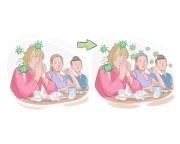
to extend or increase in influence or effect over a larger area or group of people

広がる, 広める

広がる, 広める

Ex: The new trend spread rapidly among young people. 
rumor
rumor
[名詞]

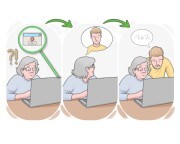
an unverified story or piece of information that spreads from person to person

噂,  風評
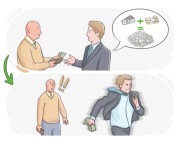
噂, 風評

Ex: A rumor spread through the office that the company was planning layoffs. 
to fall for
to fall for
[動詞]

to be deceived or tricked by someone or something

騙される, ひっかかる

騙される, ひっかかる

Ex: She couldn't believe she had fallen for the scam and lost a significant amount of money. 

彼女は自分が詐欺に引っかかって多額のお金を失ったことが信じられなかった。

scam
scam
[名詞]

a dishonest or illegal way of gaining money

詐欺, スキャム

詐欺, スキャム

Ex: The email was part of a scam aimed at stealing personal information from unsuspecting users. 

そのメールは、疑いを持たないユーザーから個人情報を盗むことを目的とした詐欺の一部でした。

lack
lack
[名詞]

the absence or insufficiency of something, often implying a deficiency or shortage

不足, 欠如

不足, 欠如

Ex: She felt a lack of motivation to complete the project. 
credibility
credibility
[名詞]

a quality that renders a thing or person as trustworthy or believable

信頼性, 信用

信頼性, 信用

Ex: Her extensive experience in the field added significant credibility to her research findings. 

その分野での彼女の広範な経験は、彼女の研究結果に重要な信頼性を加えた。

viral
viral
[形容詞]

(of a video, picture, piece of news, etc.) shared quickly on social media among a lot of Internet users

バズる, バズった

バズる, バズった

Ex: The restaurant's viral marketing campaign, featuring catchy slogans and videos, attracted a surge of new customers. 

キャッチーなスローガンとビデオを特徴とするレストランのバイラルマーケティングキャンペーンは、新しい顧客の急増を引き寄せました。
headline
headline
[名詞]

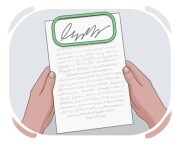
the title of a newspaper or news article, usually printed prominently above it

見出し

見出し

Ex: The newspaper ran the story under a dramatic headline. 
hoax
hoax
[名詞]

a deceptive act or scheme intended to trick people

でっちあげ, ペテン

でっちあげ, ペテン

Ex: The news about the celebrity’s death turned out to be a hoax. 

有名人の死のニュースはでっち上げであることが判明した。

armed
armed
[形容詞]

equipped with weapons or firearms

武装した, 武器を装備した

武装した, 武器を装備した

Ex: The armed soldiers stood guard at the entrance to the military base. 

武装した兵士たちが軍事基地の入り口で警護に立っていた。

to scramble
to scramble
[動詞]

to move quickly and with urgency, often in a disorderly manner

急いで動く, 慌てて移動する
急いで動く, 慌てて移動する

Ex: When the fire alarm sounded, people began to scramble out of the building, evacuating in a hurry. 
to delve
to delve
[動詞]

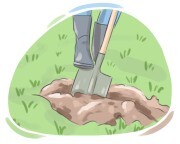
to dig into the ground, turning, loosening, or removing soil

掘る, 探る

掘る, 探る

Ex: Archaeologists delve into the soil to uncover ancient artifacts. 

考古学者は古代の遺物を発見するために土を掘ります。

rigged
rigged
[形容詞]

dishonestly arranged or manipulated to produce a desired outcome

不正な, 操作された

不正な, 操作された

Ex: The company faced backlash for its rigged hiring process. 

その会社は、不正な採用プロセスのためにバックラッシュに直面した。

cover-up
cover-up
[名詞]

an attempt to conceal something, often an illegal or unethical action or situation

隠蔽, カバーアップ

隠蔽, カバーアップ

Ex: The company was accused of a cover-up after it was revealed they hid evidence of pollution. 

その企業は汚染の証拠を隠していたことが明らかになった後、隠蔽の非難を受けた。

accountability

the obligation to take responsibility for one's actions or decisions and to explain or justify them when required

説明責任,  アカウンタビリティ

説明責任, アカウンタビリティ

Ex: Greater accountability is needed in the management of public funds. 
vulnerable
vulnerable
[形容詞]

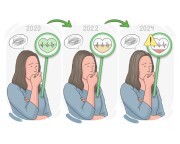
able to be physically harmed or wounded

傷つきやすい, 無防備な

傷つきやすい, 無防備な

Ex: The baby birds in the nest were vulnerable to predators until they learned to fly. 

巣の中のひな鳥は、飛ぶことを覚えるまで捕食者に対して脆弱でした。

devastated
devastated
[形容詞]

experiencing great shock or sadness

打ちひしがれた, 悲嘆に暮れた

打ちひしがれた, 悲嘆に暮れた

Ex: She was devastated when she received the news of her grandmother's passing, unable to hold back her tears. 

彼女は祖母の訃報を受け取ったとき打ちのめされ、涙をこらえることができなかった。
riddle
riddle
[名詞]

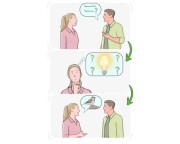
a guessing game that involves at least two players in which participants ask a question that has a surprising or clever answer

なぞなぞ, 謎

なぞなぞ, 謎

Ex: He told a tricky riddle that no one could solve. 

彼は誰も解けなかった難しい謎を話した。

gem
gem
[名詞]

a precious or semi-precious piece of stone cut and polished to make items of jewelry

宝石, 貴石

宝石, 貴石

Ex: The ring was set with a sparkling gem. 

その指輪はきらめく宝石がはめられていた。

to ban
to ban
[動詞]

to officially forbid a particular action, item, or practice

禁止する, 禁じる
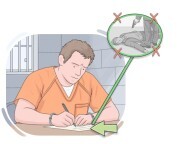
禁止する, 禁じる

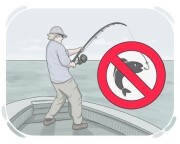
Ex: In an effort to combat illegal fishing practices, the government banned the use of drift nets in its territorial waters. 
plea
plea
[名詞]

a formal answer given in court to a criminal charge, stating whether the accused is guilty or not guilty

答弁

答弁

Ex: The defendant entered a plea of not guilty. 
bid
bid
[名詞]

a determined effort or proposal to achieve a goal, win something, or gain favor

提案, 試み
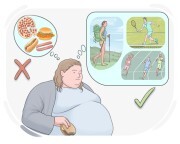
提案, 試み

Ex: They made a bid to host the Olympic Games. 
to quit
to quit
[動詞]

to stop engaging in an activity permanently

やめる, 止める

やめる, 止める

Ex: The company plans to quit using single-use plastics to reduce environmental impact. 

会社は環境への影響を減らすために使い捨てプラスチックの使用をやめる計画です。

to vow
to vow
[動詞]

to make a sincere promise to do or not to do something particular

誓う, 固く約束する

誓う, 固く約束する

Ex: The team is vowing to work collaboratively on the upcoming project. 

チームは今後のプロジェクトで協力して作業することを誓っています。

to curb
to curb
[動詞]

to lessen the intensity of something or keep it under control, often through restraint or inhibition

抑える, 制御する

抑える, 制御する

Ex: He tried to curb his anger during the heated discussion to avoid saying something he would regret. 

彼は激しい議論の最中に後悔するようなことを言わないように怒りを抑えようとした。
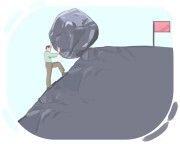
to attempt
to attempt
[動詞]

to try to complete or do something difficult

試みる, 挑戦する

試みる, 挑戦する

Ex: The researchers are attempting to understand the behavior of the new species. 
to control
to control
[動詞]

to have power over a person, company, country, etc. and to decide how things should be done

制御する, 支配する

制御する, 支配する

Ex: The board of directors will control the major decisions affecting the organization. 
mystery
mystery
[名詞]

something that cannot be understood or explained because important facts are unknown

謎,  神秘

謎, 神秘

Ex: The cause of the strange noise remains a mystery. 
promise
promise
[名詞]

an assurance or declaration indicating the possible success or occurrence of something in the future

約束, 見込み
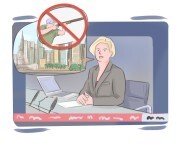
約束, 見込み

Ex: The new technology promises to revolutionize the way we communicate. 
to prohibit
to prohibit
[動詞]

to formally forbid something from being done, particularly by law

禁止する, 禁ずる

禁止する, 禁ずる

Ex: The city council passed a law to prohibit the use of fireworks within city limits. 

市議会は市内での花火の使用を禁止する法律を可決しました。

to request
to request
[動詞]

to ask for something politely or formally

要求する, 依頼する

要求する, 依頼する

Ex: The customer called to request a refund for the defective product they had purchased. 
to resign
to resign
[動詞]

to officially announce one's departure from a job, position, etc.

辞任する, 辞職する

辞任する, 辞職する

Ex: The mayor announced his decision to resign from office. 
LanGeek
LanGeekアプリをダウンロード