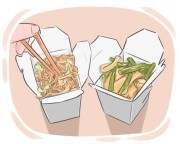
pattern

本 Insight - 中上級 - 語彙の洞察 8

ここでは、Insight Upper-IntermediateコースブックのVocabulary Insight 8からの単語、例えば"collapse"、"slaughter"、"distressing"などを見つけることができます。

復習

フラッシュカード

綴り

クイズ

学習を開始
Insight - Upper-intermediate
to base on
to base on
[動詞]

to develop something using certain facts, ideas, situations, etc.

特定の事実や考えに基づいて何かを作る, 何かを発展させるための基礎として用いる

特定の事実や考えに基づいて何かを作る, 何かを発展させるための基礎として用いる

Ex: The conclusion was based upon a thorough analysis of the available data. 

結論は、利用可能なデータの徹底的な分析に基づいていました。

to rise
to rise
[動詞]

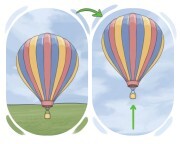
to move from a lower to a higher position

上がる,上昇する

上がる,上昇する

Ex: The hot air balloon rose gracefully into the sky. 

熱気球が優雅に空へと上昇した。

to result in
to result in
[動詞]

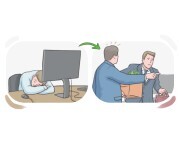
to cause something to occur

何かを引き起こす, 特定の結果を生じさせる

何かを引き起こす, 特定の結果を生じさせる

Ex: His reckless driving resulted in a serious accident. 

彼の無謀な運転は重大な事故を引き起こした。

imbalance
imbalance
[名詞]

lack of equal distribution between two or more things, often resulting in an unfair situation

不均衡,不平等

不均衡,不平等

Ex: There is a significant imbalance in the distribution of wealth in many countries. 

多くの国で富の分配に大きな不均衡があります。

to lead
to lead
[動詞]

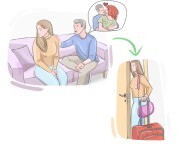
to be the cause of something

導く,引き起こす

導く,引き起こす

Ex: Reckless driving can lead to accidents. 

無謀な運転は事故を引き起こす可能性があります。

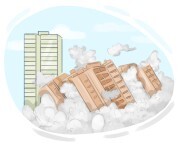
to collapse
to collapse
[動詞]

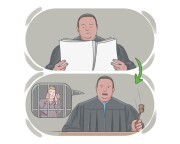
(of a building or structure) to fall down suddenly because of damage or weakness
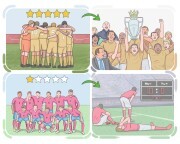
Ex: The old building collapsed during the earthquake. 
to depend on
to depend on
[動詞]

to be determined or influenced by a particular factor or condition

何かに左右される, 結果や状態が別の要因に左右される

何かに左右される, 結果や状態が別の要因に左右される

Ex: The success of a startup company can depend on securing funding, market demand, and effective marketing strategies. 

スタートアップ企業の成功は、資金調達、市場需要、効果的なマーケティング戦略に依存する可能性があります。

awe-inspiring
awe-inspiring
[形容詞]

evoking a feeling of great respect, admiration, and sometimes fear

畏敬の念を起こさせる,感嘆させる

畏敬の念を起こさせる,感嘆させる

Ex: The awe-inspiring view from the mountaintop left us speechless. 

山頂からの荘厳な眺めに私たちは言葉を失いました。

banned
banned
[形容詞]

prohibited or not allowed by law, rule, or authority

禁止された, 禁じられた

禁止された, 禁じられた

countless
countless
[形容詞]

so numerous that it cannot be easily counted or quantified

無数の,数え切れない

無数の,数え切れない

Ex: He received countless messages of support after his public speech. 

彼は公開演説の後、数え切れないほどの応援メッセージを受け取った。

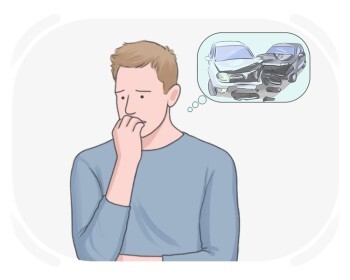
distressing
distressing
[形容詞]

causing feelings of discomfort, sadness, or anxiety

苦痛な,心配な

苦痛な,心配な

Ex: The sudden change in the company's financial situation was distressing to the employees. 

会社の財政状況の突然の変化は、従業員にとって苦痛でした。

huge
huge
[形容詞]

very large in size

巨大な,非常に大きい

巨大な,非常に大きい

Ex: The huge skyscraper dominated the city skyline. 

その巨大な超高層ビルは都市のスカイラインを支配していた。

impressive
impressive
[形容詞]

causing admiration because of size, skill, importance, etc.

印象的な,注目すべき

印象的な,注目すべき

Ex: The impressive architecture of the cathedral left visitors in awe of its grandeur and craftsmanship. 

大聖堂の印象的な建築は、訪問者にその壮大さと職人技に畏敬の念を抱かせた。

to kill
to kill
[動詞]

to end the life of someone or something

殺す,命を奪う

殺す,命を奪う

Ex: The chef had to kill the lobster before cooking it. 

シェフはロブスターを調理する前に殺さなければなりませんでした。

monstrous
monstrous
[形容詞]

exceptionally large in size

怪物のような,巨大な

怪物のような,巨大な

Ex: The monstrous waves threatened to capsize the small fishing boat. 

巨大な波が小さな漁船を転覆させそうだった。

numerous
numerous
[形容詞]

indicating a large number of something

多数の,たくさんの

多数の,たくさんの

Ex: The library has numerous books on various subjects. 

図書館には様々な主題に関する多数の本があります。

outlawed
outlawed
[形容詞]

prohibited by law or made illegal

禁止された,非合法の

禁止された,非合法の

Ex: The sale of certain drugs is outlawed in many countries. 

多くの国で特定の薬物の販売は禁止されています。

slaughter
slaughter
[名詞]

the killing of animals for food, often done on a large scale in industrial settings

屠殺,虐殺

屠殺,虐殺

Ex: The slaughter of livestock is a critical part of the meat production industry. 

家畜の屠殺は、肉生産業界の重要な部分です。

upsetting
upsetting
[形容詞]

causing sadness, anger, or concern

動揺させる,心配させる

動揺させる,心配させる

Ex: The upsetting sight of litter strewn across the beach saddened environmental activists. 

ビーチに散らばったゴミの気がめいる光景は環境活動家を悲しませた。

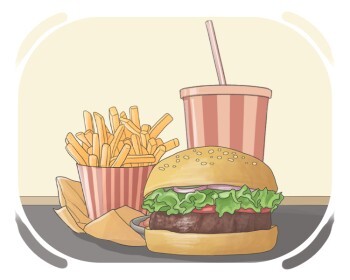
fast food
fast food
[名詞]

food that is quickly prepared and served, such as hamburgers, pizzas, etc.

ファストフード

ファストフード

Ex: Fast food is convenient, but it's not the healthiest choice. 

ファストフードは便利ですが、最も健康的な選択肢ではありません。

lunchtime
lunchtime
[名詞]

the time in the middle of the day when we eat lunch

昼食時,ランチタイム

昼食時,ランチタイム

Ex: We usually meet in the park during lunchtime. 

私たちは通常、昼食時に公園で会います。

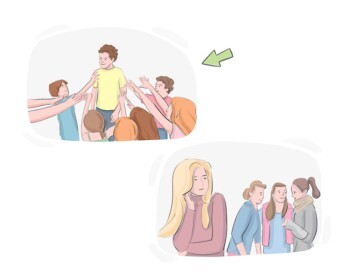
popular
popular
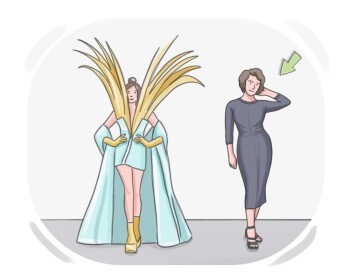
[形容詞]

receiving a lot of love and attention from many people

人気のある,愛されている
人気のある,愛されている

Ex: This café is popular with local students. 
standard
standard
[形容詞]

commonly recognized, done, used, etc.

標準,通常

標準,通常

Ex: The standard attire for the event is business casual, so please dress accordingly. 

イベントの標準的な服装はビジネスカジュアルですので、それに合わせて服装してください。
traditional
traditional
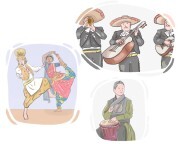
[形容詞]

belonging to or following the methods or thoughts that are old as opposed to new or different ones

伝統的な,古典的な

伝統的な,古典的な

Ex: The restaurant offers a traditional menu, focusing on familiar comfort foods rather than trendy dishes. 

レストランは、トレンディな料理ではなく、親しみのあるコンフォートフードに焦点を当てた伝統的なメニューを提供しています。

wedding
wedding
[名詞]

a ceremony or event where two people are married

結婚式,婚礼

結婚式,婚礼

Ex: After the wedding, the couple left for their honeymoon in Italy. 

結婚式の後、カップルはイタリアへハネムーンに出発しました。

banquet
banquet
[名詞]

a large and formal meal for many people, often for a special event

宴会,饗宴

宴会,饗宴

Ex: The wedding banquet featured multiple courses of gourmet cuisine served to guests seated at elegantly decorated tables. 

結婚式の宴会では、エレガントに飾られたテーブルに座ったゲストにグルメ料理の数々が提供されました。
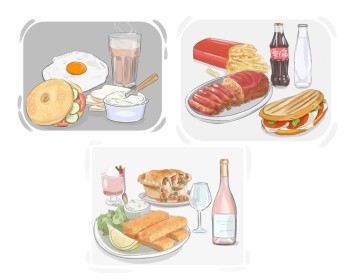
dish
dish
[名詞]

food that is made in a special way as part of a meal

料理,一品

料理,一品

Ex: Pasta is one of her favorite dishes. 
fare
fare
[名詞]

food of a particular type, especially food served at a restaurant or meal

料理, 食事

料理, 食事

Ex: The restaurant serves traditional Italian fare. 

そのレストランは伝統的なイタリアの料理を提供しています。

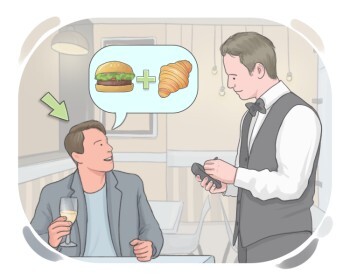
to order
to order
[動詞]

to ask for something, especially food, drinks, services, etc. in a restaurant, bar, or shop

注文する,オーダーする

注文する,オーダーする

Ex: She ordered a latte to go from the coffee shop. 

彼女はコーヒーショップから持ち帰り用のラテを注文しました。

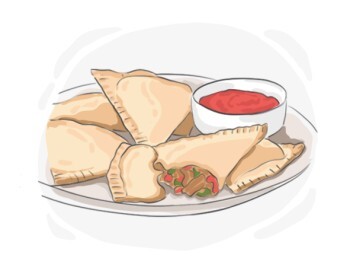
snack
snack
[名詞]

a small meal that is usually eaten between the main meals or when there is not much time for cooking

スナック,軽食

スナック,軽食

Ex: At the party, there were many snacks to choose from. 

パーティーでは、選べるスナックがたくさんありました。

takeaway
takeaway
[名詞]

a meal bought from a restaurant or store to be eaten somewhere else

テイクアウト,持ち帰り料理

テイクアウト,持ち帰り料理

Ex: We decided to get takeaway for dinner instead of cooking tonight. 

今夜は料理する代わりに、夕食にテイクアウトを取ることにしました。

LanGeek
LanGeekアプリをダウンロード