pattern

本 Total English - 初歩 - ユニット5 - レッスン3

ここでは、Total English Elementaryコースブックのユニット5 - レッスン3からの語彙を見つけることができます。例えば「森」、「決める」、「寒い」など。

復習

フラッシュカード

綴り

クイズ
学習を開始
Total English - Elementary
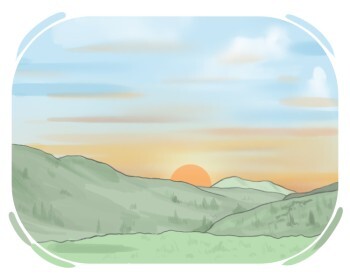
landscape
landscape
[名詞]

an area of scenery visible in a single view

風景,パノラマ

風景,パノラマ

Ex: Autumn colors transformed the countryside landscape. 

秋の色が田舎の風景を変えた。

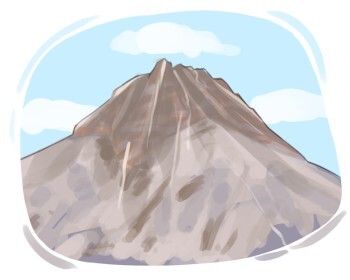
mountain
mountain
[名詞]

a very tall and large natural structure that looks like a huge hill with a pointed top that is often covered in snow

山,頂上

山,頂上

Ex: We enjoyed a picnic at the base of the mountain, surrounded by nature. 

私たちは自然に囲まれた山のふもとでピクニックを楽しみました。

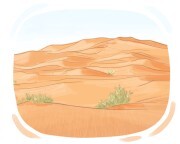
desert
desert
[名詞]

a large, dry area of land with very few plants, typically one covered with sand

砂漠,サハラ

砂漠,サハラ

Ex: He spent three days in the desert with no water. 

彼は水なしで砂漠で三日を過ごした。

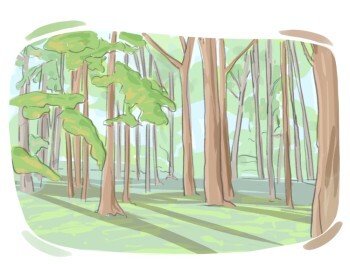
forest
forest
[名詞]

a vast area of land that is covered with trees and shrubs

森

森

Ex: The forest provided us with shade on a hot summer day. 

森は暑い夏の日に私たちに日陰を提供してくれました。

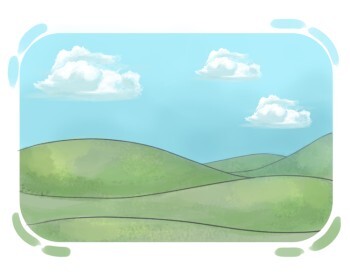
hill
hill
[名詞]

a naturally raised area of land that is higher than the land around it, often with a round shape

丘,小山

丘,小山

Ex: The field was surrounded by rolling hills. 

その野原はうねるような丘に囲まれていた。

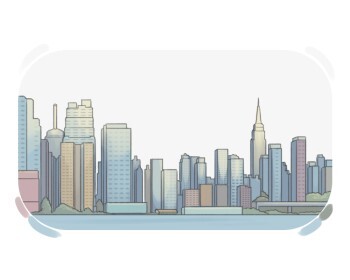
city
city
[名詞]

a larger and more populated town

都市,都会

都市,都会

Ex: This city is known for its diverse population and multicultural atmosphere. 

この都市は、多様な人口と多文化の雰囲気で知られています。

lake
lake
[名詞]

a large area of water, surrounded by land

湖

湖

Ex: The path around the lake was perfect for a morning jog. 

湖の周りの道は朝のジョギングに最適でした。

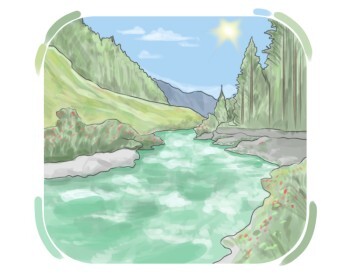
river
river
[名詞]

a natural and continuous stream of water flowing on the land to the sea, a lake, or another river

川,河川

川,河川

Ex: The river was wide, and we had to cross it using a bridge. 

川は広く、私たちは橋を使って渡らなければなりませんでした。

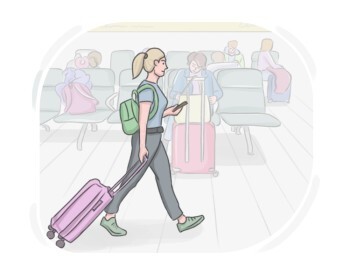
to travel
to travel
[動詞]

to go from one place to another, especially over a considerable distance

Ex: We are excited to travel to our friend's wedding in another state. 
university
university
[名詞]

an educational institution at the highest level, where we can study for a degree or do research

大学

大学

Ex: We have a university lecture on art history this afternoon. 

今日の午後、私たちは美術史についての大学の講義があります。

information
information
[名詞]

facts or details known or provided about a person, subject, or situation

facts or details known or provided about a person, subject, or situation
facts or details known or provided about a person, subject, or situation

Ex: Sarah searched online for information about the university. 
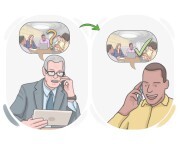
to decide
to decide
[動詞]

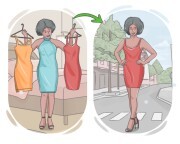
to make a choice or reach a conclusion after considering different possibilities

to make a choice or reach a conclusion after considering different possibilities
to make a choice or reach a conclusion after considering different possibilities

Ex: We need to decide where to spend our summer holiday. 
Argentina
Argentina
[名詞]

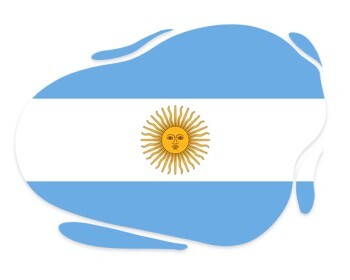
a country in southern South America, bordered by Chile, Bolivia, Paraguay, Brazil, Uruguay, and the South Atlantic Ocean

アルゼンチン
アルゼンチン

Ex: Argentina stretches from subtropical regions in the north to Patagonia in the south. 
Antarctica
Antarctica
[名詞]

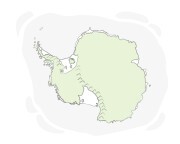
the most southern continent where the South Pole is situated

南極大陸,南極点が位置する最も南の大陸

南極大陸,南極点が位置する最も南の大陸

Ex: Antarctica is the coldest place on Earth. 

南極大陸は地球上で最も寒い場所です。

especially
especially
[副詞]

used to emphasize one person or thing as more important, relevant, or noticeable than others
Ex: Sarah enjoys Italian food, especially pasta. 
sea
sea
[名詞]

the salt water that covers most of the earth's surface and surrounds its continents and islands

海, 海洋

海, 海洋

Ex: We collected seashells while walking along the edge of the sea. 

私たちは海の縁を歩きながら貝殻を集めました。

Ireland
Ireland
[名詞]

a country in North Western Europe, in the southern part of the island of Ireland

アイルランド

アイルランド

Ex: Ireland is a member of the European Union, though it is not part of the United Kingdom. 

アイルランドは欧州連合のメンバーですが、英国の一部ではありません。

unfortunately

used to express regret or say that something is disappointing or sad

残念ながら

残念ながら

Ex: Unfortunately, the flight was delayed due to severe weather conditions, causing inconvenience for the passengers. 

残念ながら、悪天候のためフライトが遅れ、乗客に不便をかけた。

certainly
certainly
[副詞]

used to emphasize that something is true or will happen without any doubt
Ex: Sarah will certainly enjoy the concert. 
west
west
[名詞]

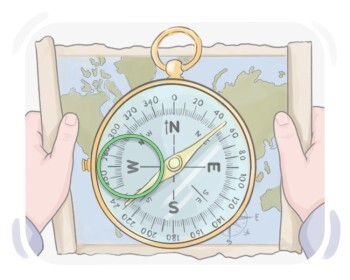
the direction toward which the sun goes down, which is on the left side of a person facing north

西,西洋, the direction where the sun sets

西,西洋, the direction where the sun sets

Ex: The west is where the day ends and the night begins. 

西は、日が終わり夜が始まる場所です。

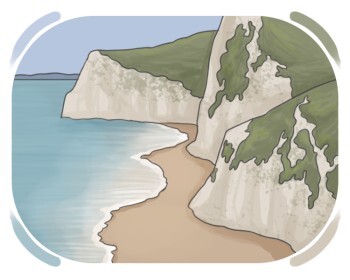
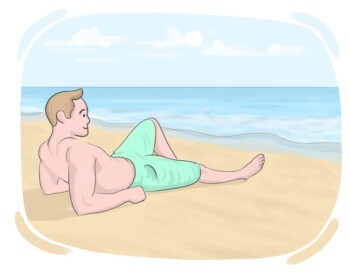
beach
beach
[名詞]

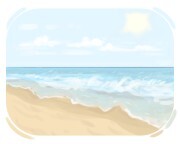
an area of sand or small stones next to a sea or a lake

ビーチ,海岸

ビーチ,海岸

Ex: The beach was crowded with people enjoying the sun and surf. 

ビーチは太陽と波を楽しむ人々で混雑していました。

to sunbathe
to sunbathe
[動詞]

to sit or lie in the sunshine, especially to relax or make one's skin darker
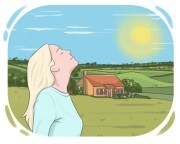
Ex: During their beach vacation, they plan to sunbathe by the ocean. 
beautiful
beautiful
[形容詞]

describing weather that is pleasant, enjoyable, or favorable, often characterized by clear skies, mild temperatures, and calm conditions

美しい,快適な

美しい,快適な

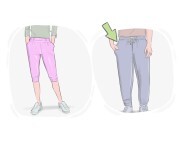
busy
busy
[形容詞]

overly detailed, cluttered, or visually complex

ごちゃごちゃした,細かすぎる

ごちゃごちゃした,細かすぎる

Ex: A busy pattern distracted from the text. 

ごちゃごちゃした模様がテキストから注意をそらした。

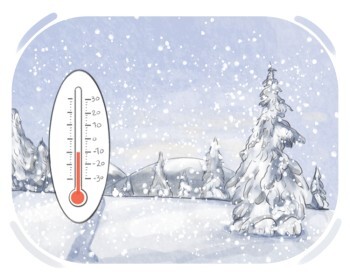
cold
cold
[形容詞]

having a temperature lower than the human body's average temperature

冷たい,氷のように冷たい

冷たい,氷のように冷たい

Ex: The air conditioning made the room too cold, so I adjusted the temperature. 

エアコンで部屋が寒くなりすぎたので、温度を調整しました。

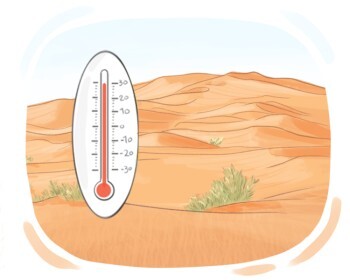
dry
dry
[形容詞]

lacking moisture or liquid

乾いた,乾燥した

乾いた,乾燥した

Ex: Her lips were dry and cracked from exposure to the wind. 

風に当たって彼女の唇は乾燥してひび割れていた。

famous
famous
[形容詞]

known by a lot of people

有名な,著名な

有名な,著名な

Ex: The famous singer performed to a sold-out crowd at the arena. 

有名な歌手は、アリーナで完売した観衆の前で演奏しました。

green
green
[形容詞]

having the color of fresh grass or most plant leaves

緑

緑

Ex: The leaves on the trees are green. 

木の葉は緑です。

high
high
[形容詞]

having a value or level greater than usual or expected, often in terms of numbers or measurements

高い,高めの

高い,高めの

Ex: The region experienced high temperatures this summer. 

この地域は今夏、高い気温を経験しました。

hot
hot
[形容詞]

having a higher than normal temperature

熱い,暑い

熱い,暑い

Ex: I turned on the air conditioner because it was getting too hot inside. 

中がとても暑くなってきたので、エアコンをつけました。

huge
huge
[形容詞]

very large in size

巨大な,非常に大きい

巨大な,非常に大きい

Ex: The huge skyscraper dominated the city skyline. 

その巨大な超高層ビルは都市のスカイラインを支配していた。

long
long
[形容詞]

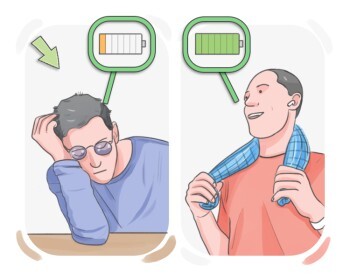
(of two points) having an above-average distance between them

長い,伸びた
長い,伸びた

Ex: We walked along a long road through the countryside. 
low
low
[形容詞]

small or below average in degree, value, level, or amount

低い,少ない

低い,少ない

Ex: The town has a low crime rate. 

その町は犯罪率が低い。

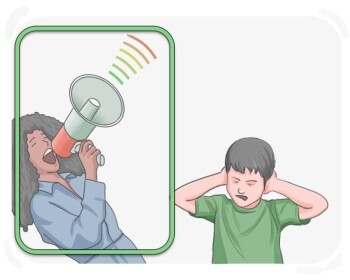
noisy
noisy
[形容詞]

producing or having a lot of loud and unwanted sound

騒がしい,うるさい

騒がしい,うるさい

Ex: The restaurant was noisy, with the clinking of dishes and the chatter of diners. 

レストランは騒がしく、食器の音と客の話し声がしていました。

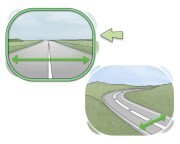
wide
wide
[形容詞]

having a large length from side to side

広い,幅広い

広い,幅広い

Ex: The river was over 30 feet wide at its widest point, making it a challenge to cross without a bridge. 

川は最も広い地点で30フィート以上の幅があり、橋なしで渡るのは挑戦だった。

LanGeek
LanGeekアプリをダウンロード