
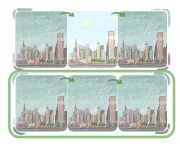
maintaining constant intensity over time

絶え間ない, 持続的な
困難にもかかわらず、彼らの 絶え間ない 支援は決して揺るがなかった。
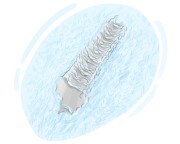
to undo or separate the threads or strands of something woven, knitted, or intertwined
解く, ほどく
彼女は糸を再利用するためにセーターをほどき始めました。

reliable and true to the point of being unquestionable
非の打ち所のない, 疑う余地のない
その歴史家の記録は非の打ち所のないものと考えられ、研究のための強固な基盤を提供した。
a condition in which individuals are forced to work or provide services against their will, without the ability to freely leave or negotiate their conditions
奴隷状態, 隷属
20世紀初頭の多くの移民は、スウェットショップで奴隷状態に直面し、最低賃金のために過酷な時間を耐え忍びました。
very keen to please and obey others
卑屈な, 媚びた
マネージャーに対する彼の卑屈な態度は、同僚たちを不快にさせた。
the ability to perform tasks effectively and efficiently, demonstrating both physical and intellectual readiness
能力, 適性
財務問題を扱う彼の能力は、経済の低迷期における会社の安定を確保しました。
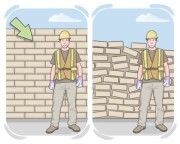
possessing the needed skills or knowledge to do something well
有能な, 熟練した
有能なプログラマーとして、彼はソフトウェアのバグを迅速にトラブルシューティングして修正することができました。
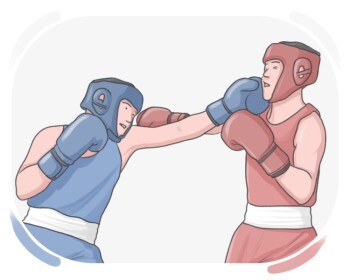
someone who competes with others in a sport event
競争者, ライバル
マラソンは世界中から何千人もの競技者を引きつけた。
to call forth or elicit emotions, feelings, or responses, often in a powerful or vivid manner
喚起する, 引き出す
その絵は、ノスタルジーの感覚を呼び起こすように注意深く作られ、視聴者に彼らの子供時代を思い出させました。
the act of bringing an image, memory, or feeling to one’s mind
喚起, 呼び起こし
絵画の豊かな色彩は、平和な夏の午後の完璧な喚起でした。
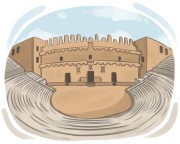
an open building that is round or oval in shape and has a space in the middle surrounded by several seats, originated in ancient Roman and Greek architecture used for public entertainments such as sports or drama
円形劇場, アリーナ
観光客は古代ギリシャの円形劇場の遺跡に驚嘆しました。
adapted to operate both on land and in water
水陸両用の, 陸上と水上の両方で操作できるように適応した
水陸両用車は、道路と川の両方をスムーズに移動できます。
to fail to make someone pleased
不満を抱かせる, 満足させない
マネージャーが問題に対処できなかったことで、従業員が不満を感じ始めました。

(of two or more things) not having common qualities
異なる, 似ていない
兄弟であるにもかかわらず、彼らの性格は異なり、一方は外向的でもう一方はより控えめです。
a structured academic discussion on a thesis
討論, 学術的討論
学生は討論の間に自分の論文をうまく擁護し、パネルから高い称賛を得ました。
having a tendency to disagree and argue
議論好きな, 口論を好む
彼の論争好きな性格は、彼との会議を困難にした。なぜなら、彼はよく皆と意見が合わなかったからだ。
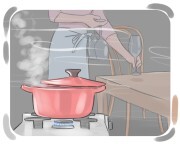
to spread throughout and be present in every part of something
浸透する, 広がる
穏やかさと静けさの感覚がヨガスタジオに広がり、実践者たちに平和な空間を提供した。
spreading widely or throughout a particular area or group
広範囲に及ぶ, 浸透する
森林火災の後、煙の広がる臭いが空気を満たした。
inclined to act stubbornly and to hang on to what is wrong
ひねくれた, 頑固な
すべての証拠にもかかわらず、彼は地球が平らであるというひねくれた信念を持っていた。
the act of corrupting the original state of something
歪曲, 堕落
教科書における歴史の歪曲は、実際に起こった出来事を歪めた。
