
pattern

SAT 語彙スキル 4 - レッスン 25

レビュー

フラッシュカード

語形

綴り

クイズ

学習を開始
SAT Word Skills 4
to revel
to revel
[動詞]

to take great pleasure or delight in an experience or activity

楽しむ, 喜ぶ

楽しむ, 喜ぶ

Ex: She reveled in the peacefulness of her morning yoga routine. 

彼女は朝のヨガのルーティンの平和に酔いしれていた。

revelation
revelation
[名詞]

the act of making previously secret or unknown information known

暴露,  明らかにすること

暴露, 明らかにすること

Ex: The revelation of the company's financial problems shocked investors. 
to reverberate

to resound or echo with a deep, prolonged sound, often creating a lasting impression or effect

反響する, 響き渡る

反響する, 響き渡る

Ex: Her laughter reverberated through the room, lifting everyone's spirits. 

彼女の笑い声が部屋中に響き渡り、皆の気分を高揚させた。

to revere
to revere
[動詞]

to honor or hold in deep respect, typically in a manner that falls short of worship

崇める, 尊敬する

崇める, 尊敬する

Ex: Followers of the religion revere the prophet as a divine messenger, honoring his teachings and example in their daily lives. 

その宗教の信者たちは、預言者を神の使者として崇め、その教えと模範を日常生活で尊んでいる。

sarcasm
sarcasm
[名詞]

the use of words that convey the opposite meaning as a way to annoy someone or for creating a humorous effect

皮肉, 嫌味

皮肉, 嫌味

Ex: His tone was full of sarcasm when he complimented her cooking skills, knowing she had burned dinner. 

彼は彼女が夕食を焦がしたことを知りながら、彼女の料理の腕前を褒めたとき、彼の口調は皮肉でいっぱいだった。

sarcophagus
sarcophagus
[名詞]

a stone coffin in ancient times, often decorated with a sculpture

石棺, サルコファガス

石棺, サルコファガス

Ex: The ancient sarcophagus was placed in the center of the burial chamber, surrounded by offerings. 

古代の石棺は、供物に囲まれて埋葬室の中央に置かれました。

sardonic
sardonic
[形容詞]

humorous in a manner that is cruel and disrespectful

冷笑的な, 嘲笑的

冷笑的な, 嘲笑的

Ex: She responded with a sardonic smile when he suggested that her idea was brilliant. 

彼が彼女のアイデアは素晴らしいと提案したとき、彼女は冷笑的な笑みで応えた。

sartorial
sartorial
[形容詞]

referring to clothing, particularly men's clothing, or the manner in which it is tailored or worn

服飾の, 男性の服装に関する

服飾の, 男性の服装に関する

Ex: His sartorial choices reflected his impeccable taste and attention to detail, always opting for tailored suits and polished shoes. 

彼の服装の選択は、彼の完璧な趣味と細部への注意を反映しており、常にテーラードスーツと磨かれた靴を選んでいました。

to proceed
to proceed
[動詞]

to continue speaking, especially after being interrupted

続ける, 進める

続ける, 進める

Ex: After the audience asked a question, the professor proceeded with the lecture. 
procedure
procedure
[名詞]

a particular set of actions conducted in a certain way

手順, 方法

手順, 方法

Ex: She carefully followed the procedure for setting up the new software system to avoid errors. 
mite
mite
[名詞]

a very small creature that lives on plants, animals, or in carpets

ダニ, マイト

ダニ, マイト

Ex: The farmer noticed that the mites were damaging the crops, causing the leaves to wilt. 

農家は、ダニが作物に損害を与え、葉を枯らせていることに気づいた。

to miter
to miter
[動詞]

to cut the square edges of something at a 45° angle and fit them together to make a 90° corner

45度の角度で切る, 面取りする

45度の角度で切る, 面取りする

Ex: The carpenter carefully mitered the edges of the wood to create a perfect corner for the frame. 

大工は、枠の完璧な角を作るために、木材の端を注意深くマイターカットしました。

exodus
exodus
[名詞]

a mass departure of people, especially to escape danger, hardship, or oppression

大量脱出, 集団移動

大量脱出, 集団移動

Ex: The sudden exodus overwhelmed nearby towns and shelters. 

突然の集団脱出が近隣の町や避難所を圧倒した。

to exhume
to exhume
[動詞]

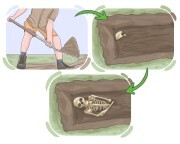
to dig out a corpse from the ground, especially from a grave, for examination, reburial, or other purposes

発掘する, 掘り出す

発掘する, 掘り出す

Ex: Forensic experts may exhume a body to conduct further investigations. 

法医学の専門家は、さらなる調査を行うために遺体を発掘することがあります。

to exonerate
to exonerate
[動詞]

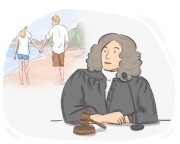
to clear someone from blame or responsibility for a wrongdoing or crime, often through evidence

無罪を証明する, 責任を免除する

無罪を証明する, 責任を免除する

Ex: The newly discovered evidence served to exonerate the wrongly accused individual. 

新たに発見された証拠は、誤って告発された個人を無罪にするのに役立った。

exotic
exotic
[形容詞]

originating in another country, particularly a tropical one

エキゾチック, 外国の

エキゾチック, 外国の

Ex: The restaurant specializes in exotic cuisine from Southeast Asia, featuring dishes with unique flavors and ingredients. 
distinction
distinction
[名詞]

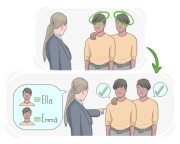
an obvious difference between two similar or related things or persons

区別
区別

Ex: The distinction between right and wrong often depends on cultural perspectives. 
to distinguish

to recognize and mentally separate two things, people, etc.

区別する, 見分ける

区別する, 見分ける

Ex: Teachers aim to help students distinguish between fact and opinion in critical thinking. 
satyr
satyr
[名詞]

a god in Greek mythology who has the face and body of a human and legs, horns, tails, and ears of a goat

サテュロス, 森の神

サテュロス, 森の神

Ex: The satyr, with his mischievous grin, led the woodland creatures in a wild dance under the moonlight. 

サテュロスは、いたずらっぽい笑みを浮かべながら、月光の下で森の生き物たちを狂乱のダンスに導いた。

satire
satire
[名詞]

humor, irony, ridicule, or sarcasm used to expose or criticize the faults and shortcomings of a person, government, etc.

風刺, 皮肉

風刺, 皮肉

Ex: Satire in literature often challenges societal norms and conventions. 

文学における風刺は、しばしば社会的な規範や慣習に挑戦します。

LanGeek
LanGeekアプリをダウンロード