

pattern

SAT Word Skills 4 - Lesson 25

Review

Flashcards

Forms

Spelling

Quiz

Start learning
SAT Word Skills 4
to revel
to revel
[Verb]

to take great pleasure or delight in an experience or activity

Ex: She reveled in the peacefulness of her morning yoga routine. 
Close
Sign in
revelation

the act of making something known or revealed, particularly something surprising or previously unknown

Ex: The revelation of the secret shocked everyone in the room. 
Close
Sign in
to reverberate

to resound or echo with a deep, prolonged sound, often creating a lasting impression or effect

Ex: Her laughter reverberated through the room, lifting everyone's spirits. 
Close
Sign in
to revere
to revere
[Verb]

to honor or hold in deep respect, typically in a manner that falls short of worship

Ex: Followers of the religion revere the prophet as a divine messenger, honoring his teachings and example in their daily lives. 
Close
Sign in
sarcasm
sarcasm
[noun]

the use of words that convey the opposite meaning as a way to annoy someone or for creating a humorous effect

Ex: His tone was full of sarcasm when he complimented her cooking skills, knowing she had burned dinner. 
Close
Sign in
sarcophagus

a stone coffin in ancient times, often decorated with a sculpture

Ex: The ancient sarcophagus was placed in the center of the burial chamber, surrounded by offerings. 
Close
Sign in
sardonic
sardonic
[Adjective]

humorous in a manner that is cruel and disrespectful

Ex: She responded with a sardonic smile when he suggested that her idea was brilliant. 
Close
Sign in
sartorial
sartorial
[Adjective]

referring to clothing, particularly men's clothing, or the manner in which it is tailored or worn

Ex: His sartorial choices reflected his impeccable taste and attention to detail, always opting for tailored suits and polished shoes. 
Close
Sign in
to proceed

to continue speaking, especially after being interrupted

Ex: Despite the interruption, the lecturer proceeded calmly with the lesson. 
Close
Sign in
procedure
procedure
[noun]

a particular set of actions conducted in a certain way

Ex: The technician followed a detailed procedure to calibrate the equipment accurately. 
Close
Sign in
mite
mite
[noun]

a very small creature that lives on plants, animals, or in carpets

Ex: The farmer noticed that the mites were damaging the crops, causing the leaves to wilt. 
Close
Sign in
to miter
to miter
[Verb]

to cut the square edges of something at a 45° angle and fit them together to make a 90° corner

Ex: The carpenter carefully mitered the edges of the wood to create a perfect corner for the frame. 
Close
Sign in
exodus
exodus
[noun]

a mass departure of people, especially to escape danger, hardship, or oppression
Ex: The war triggered a massive exodus of refugees across the border. 
Close
Sign in
to exhume
to exhume
[Verb]

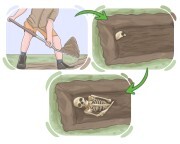
to dig out a corpse from the ground, especially from a grave, for examination, reburial, or other purposes
Ex: Forensic experts may exhume a body to conduct further investigations. 
Close
Sign in
to exonerate

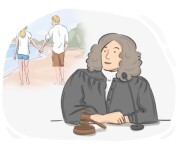
to clear someone from blame or responsibility for a wrongdoing or crime, often through evidence

Ex: The newly discovered evidence served to exonerate the wrongly accused individual. 
Close
Sign in
exotic
exotic
[Adjective]

originating in another country, particularly a tropical one

Ex: She loves to collect exotic plants from tropical regions for her greenhouse. 
Close
Sign in
distinction

an obvious difference between two similar or related things or persons
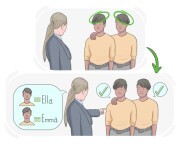
Ex: The distinction between the two candidates was clear, with one focusing on innovation and the other on tradition. 
Close
Sign in
to distinguish

to recognize and mentally separate two things, people, etc.

Ex: The detective could distinguish the authentic painting from the clever forgery. 
Close
Sign in
satyr
satyr
[noun]

a god in Greek mythology who has the face and body of a human and legs, horns, tails, and ears of a goat

Ex: The satyr, with his mischievous grin, led the woodland creatures in a wild dance under the moonlight. 
Close
Sign in
satire
satire
[noun]

humor, irony, ridicule, or sarcasm used to expose or criticize the faults and shortcomings of a person, government, etc.

Ex: Satire in literature often challenges societal norms and conventions. 
Close
Sign in
LanGeek
Download LanGeek app