pattern

本 Interchange - 中上級 - ユニット4 - パート2

ここでは、Interchange Upper-Intermediateコースブックのユニット4 - パート2の語彙を見つけることができます。例えば「風刺的な」、「評判」、「検証」などです。

レビュー

フラッシュカード

語形

綴り

クイズ
学習を開始
Interchange - Upper-intermediate
absolutely
absolutely
[副詞]

in a total or complete way

絶対に, 完全に

絶対に, 完全に

Ex: I absolutely forgot about the meeting. 

私は会議のことを完全に忘れていました。

well-known
well-known
[形容詞]

widely recognized or acknowledged

よく知られている, 有名な

よく知られている, 有名な

Ex: The well-known actor has starred in numerous blockbuster movies. 

有名な俳優は数多くのブロックバスター映画に主演してきた。

source
source
[名詞]

a place or thing from which something originates or begins

源, 起源

源, 起源

Ex: Wheat is a primary source of flour. 
necessarily
necessarily
[副詞]

in a way that cannot be avoided

必然的に, 避けられないほどに

必然的に, 避けられないほどに

Ex: Learning a new language necessarily involves making mistakes along the way. 

新しい言語を学ぶことは、道中で間違いを犯すことを必然的に含みます。

trustworthy
trustworthy
[形容詞]

able to be trusted or relied on

信頼できる, 頼りになる

信頼できる, 頼りになる

Ex: He's trustworthy, always keeping his promises and maintaining confidentiality. 

彼は信頼できる、常に約束を守り、機密を保持します。

to spread
to spread
[動詞]

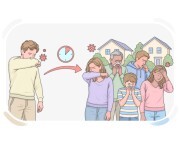
to extend or increase in influence or effect over a larger area or group of people

広がる, 広める
広がる, 広める

Ex: The new trend spread rapidly among young people. 
inaccurate
inaccurate
[形容詞]

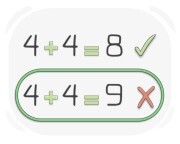
not precise or correct

不正確な, 間違った

不正確な, 間違った

Ex: The news article was criticized for being inaccurate. 

そのニュース記事は不正確であると批判された。

satirical
satirical
[形容詞]

intending to mock, ridicule, or criticize a person, group, or society in a humorous or exaggerated way

風刺的な, 皮肉な

風刺的な, 皮肉な

Ex: The novel is a satirical critique of modern society. 

その小説は現代社会への風刺的な批判である。

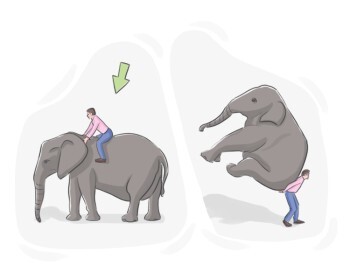
content
content
[名詞]

(usually plural) the things that are held, included, or contained within something

内容, 内容物
内容, 内容物

Ex: Carefully, she placed the contents of the drawer into a separate container. 
believable
believable
[形容詞]

having qualities that make something possible and accepted as true

信じられる, もっともらしい

信じられる, もっともらしい

Ex: The rumor circulating around the office was not believable, lacking credible sources or evidence. 

オフィスで流れていた噂は、信頼できる情報源や証拠が欠けていたため、信じがたいものでした。

to invent
to invent
[動詞]

to create or design something new that did not previously exist
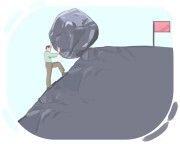
Ex: Alexander Graham Bell is credited with inventing the telephone. 
to attempt
to attempt
[動詞]

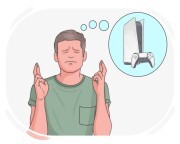
to try to complete or do something difficult

試みる, 挑戦する
試みる, 挑戦する

Ex: The researchers are attempting to understand the behavior of the new species. 
desire
desire
[名詞]

a very strong feeling of wanting to do or have something

欲望, 願望

欲望, 願望

Ex: The restaurant offered a wide variety of dishes, catering to every desire, from spicy to mild. 
reputation
reputation
[名詞]

the general opinion that the public has about someone or something because of what they did in the past

評判, 名声

評判, 名声

Ex: He didn't want to risk his reputation by being associated with the controversial project. 
curiosity
curiosity
[名詞]

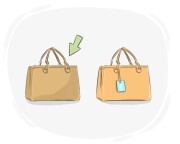
a strong wish to learn something or to know more about something

好奇心
好奇心

Ex: His curiosity led him to explore the old library, hoping to uncover forgotten stories. 
fake
fake
[形容詞]

designed to resemble the real thing but lacking authenticity

偽の, 模造の

偽の, 模造の

Ex: The counterfeit watch was identified as fake, lacking the quality and craftsmanship of the genuine product. 

偽造時計は偽物と識別され、本物の品質と職人技が欠けていました。

throughout
throughout
[副詞]

during something's entire period of time

を通じて, 全体を通して

を通じて, 全体を通して

Ex: The singer maintained perfect pitch throughout. 

歌手は全体を通して完璧なピッチを維持した。

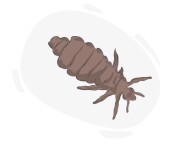
louse
louse
[名詞]

a small parasitic insect that lives and feeds on the body of warm-blooded animals

シラミ, 寄生虫

シラミ, 寄生虫

to claim
to claim
[動詞]

to say that something is the case without providing proof for it

主張する, 断言する

主張する, 断言する

Ex: The explorer claimed to have discovered a hidden treasure. 
to pose
to pose
[動詞]

to maintain a specific posture in order to be photographed or painted

ポーズをとる, 姿勢をとる
ポーズをとる, 姿勢をとる

Ex: Art students practiced drawing by asking a classmate to pose as a model in various dynamic and static positions. 
insect
insect
[名詞]

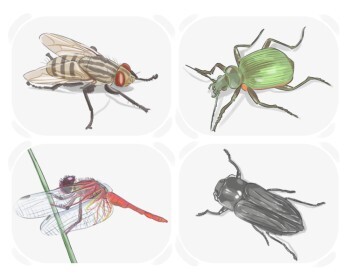
a small arthropod with six legs and a body divided into three parts, often also having wings

a small arthropod with six legs and a body divided into three parts, often also having wings
a small arthropod with six legs and a body divided into three parts, often also having wings

Ex: Bees and ants are insects. 
massive
massive
[形容詞]

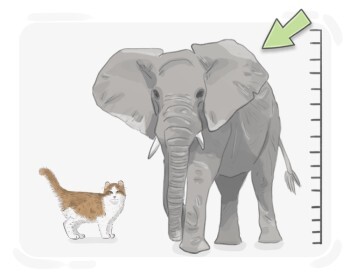
extremely large or heavy

巨大な, 大規模な

巨大な, 大規模な

Ex: The museum displayed a massive dinosaur skeleton. 

博物館は巨大な恐竜の骨格を展示しました。

outbreak
outbreak
[名詞]

the unexpected start of something terrible, such as a disease

発生, 流行
発生, 流行

Ex: The scientist studied the outbreak to understand its cause and spread. 
major
major
[形容詞]

serious and of great importance

重要な, 深刻な

重要な, 深刻な

Ex: His major contribution to the field of science earned him international recognition. 
outlet
outlet
[名詞]

an opening or passage through which liquid, gas, or another substance can flow out

出口,  排出口
出口, 排出口

Ex: Water flowed steadily from the outlet at the bottom of the tank. 
to consult
to consult
[動詞]

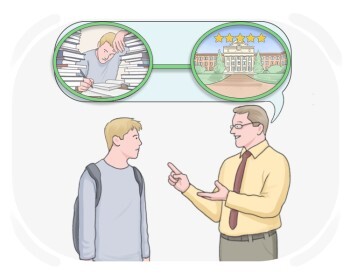
to ask someone for information, advice, or an opinion before making a decision or taking action
Ex: Laura consulted her doctor before changing her diet. 
to bother
to bother
[動詞]

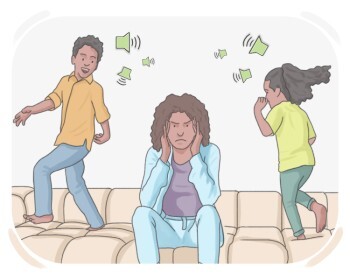
to annoy or trouble someone, especially when they are busy or want to be left alone

邪魔する, 悩ませる
邪魔する, 悩ませる

Ex: Loud music late at night can bother people trying to sleep. 
expert
expert
[名詞]

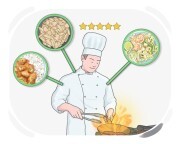
an individual with a great amount of knowledge, skill, or training in a particular field

専門家, エキスパート

専門家, エキスパート

Ex: The language expert can speak five different languages fluently. 
entrepreneur
entrepreneur
[名詞]

a person who starts a business, especially one who takes financial risks

起業家

起業家

Ex: As an entrepreneur, she started her own tech company with just a small investment. 

起業家として、彼女は小さな投資だけで自分のテクノロジー会社を始めました。

treatment
treatment
[名詞]

an action that is done to relieve pain or cure a disease, wound, etc.

治療

治療

Ex: The holistic approach to cancer treatment included chemotherapy, radiation therapy, and complementary therapies to support overall well-being. 
motivation
motivation
[名詞]

a reason, desire, or psychological drive that causes someone to act or behave in a particular way

動機,  モチベーション

動機, モチベーション

Ex: Emma's main motivation for studying medicine was her desire to help others. 
attention
attention
[名詞]

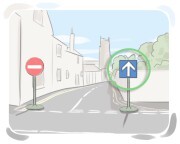
the act of taking notice of someone or something

注意, 集中
注意, 集中

Ex: The speaker struggled to hold the audience's attention during the long lecture. 
understandable
understandable
[形容詞]

able to be grasped mentally without difficulty

理解できる, 分かりやすい

理解できる, 分かりやすい

Ex: His explanation of the concept was clear and understandable to everyone in the class. 

彼の概念の説明はクラスの全員にとって明確で理解しやすいものでした。

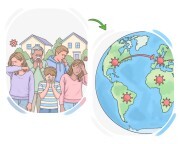
epidemic
epidemic
[名詞]

the rapid spread of an infectious disease within a specific population, community, or region, affecting a significant number of individuals at the same time

流行病, 感染症の蔓延

流行病, 感染症の蔓延

Ex: The epidemic caused a surge in hospital admissions. 
factor
factor
[名詞]

one of the things that affects something or contributes to it

要因, 要素
要因, 要素

Ex: Lack of sleep can be a contributing factor to decreased productivity at work. 
irresistible
irresistible
[形容詞]

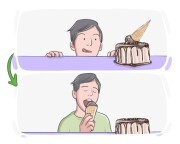
impossible to resist or refuse, usually because of being very appealing or attractive

抗しがたい, 非常に魅力的な

抗しがたい, 非常に魅力的な

Ex: The aroma of freshly baked cookies wafting from the kitchen was irresistible, drawing everyone in to indulge. 

キッチンから漂ってきた焼きたてのクッキーの香りは抗しがたいもので、誰もが引き寄せられました。
specifically
specifically
[副詞]

only for one certain type of person or thing

特に、独占的に

特に、独占的に

Ex: The guidelines were established specifically for new employees, outlining company protocols. 

ガイドラインは、会社のプロトコルを概説し、特に新しい従業員のために確立されました。

verification
verification
[名詞]

the act of proving the truth or accuracy of something, typically by checking or examining evidence or documentation

検証

検証

Ex: The agency conducts thorough verification of the products' origins to ensure they are ethically sourced. 

その機関は、製品が倫理的に調達されていることを確認するために、製品の起源について徹底的な検証を行います。
proof
proof
[名詞]

evidence that establishes or strongly demonstrates that something is true or exists
Ex: The police found no proof that Daniel had entered the building. 
to prove
to prove
[動詞]

to show that something is true through the use of evidence or facts

証明する,  裏付ける

証明する, 裏付ける

Ex: Right now, the scientist is proving the concept in the laboratory. 
humorously
humorously
[副詞]

in a way that is funny or causes amusement

ユーモアたっぷりに, 面白おかしく

ユーモアたっぷりに, 面白おかしく

Ex: He responded humorously to the awkward question. 

彼はその気まずい質問にユーモアたっぷりに答えた。

disgusting
disgusting
[形容詞]

extremely unpleasant

嫌な, 不快な

嫌な, 不快な

Ex: The smell emanating from the garbage bin was utterly disgusting, making me gag. 

ゴミ箱から漂ってきた臭いはひどく不快で、吐き気を催させた。

factual
factual
[形容詞]

based on facts or reality, rather than opinions or emotions

事実に基づいた, 客観的な

事実に基づいた, 客観的な

Ex: His decision was based on factual evidence rather than speculation or hearsay. 

彼の決定は、推測や噂ではなく、事実に基づいた証拠に基づいていました。

LanGeek
LanGeekアプリをダウンロード