
身体的および社会的ライフスタイルの動詞 - 人生のサイクルのための動詞
ここでは、"誕生"、"成熟"、"死"などのライフサイクルを指す英語の動詞を学びます。
レビュー
フラッシュカード
語形
綴り
クイズ

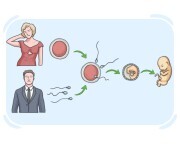
to become pregnant

妊娠する, 懐妊する
数ヶ月間試した後、そのカップルはついに妊娠することができて大喜びでした。
(of a living being) to produce offspring or more of itself
繁殖する, 再生産する
動物は、子を産んだり、孵化して子孫になる卵を産んだりすることで繁殖します。
to produce offspring sexually, typically involving the union of male and female reproductive cells
繁殖する, 子を産む
人間は、男性と女性の生殖細胞を結合させることにより、性的生殖を通じて繁殖します。

to deliver an offspring
出産する, 産む
母親は今後数週間以内に赤ちゃんを出産すると予想されています。

to feed an infant or young child directly from the mother's breast, providing essential nutrition through breast milk
授乳する, 母乳で育てる
多くの母親は、母乳の栄養上の利点のために授乳することを選びます。

to gradually reduce or stop a baby's dependency on breastfeeding or bottle-feeding, introducing them to other foods and drinks
離乳させる, 慣れさせる
親はしばしば、赤ちゃんを母乳や哺乳瓶から離乳させるために特定の時期を選びます。
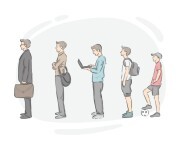
to change from being a child into an adult little by little
成長する, 大人になる
多くの子供たちは、大人になったら何になりたいか夢見ます。

(of children) to become too big to fit into one's old clothes or belongings
大きくなって着られなくなる, 成長して合わなくなる
彼女は息子のために新しい靴を買わなければならなかった、なぜなら彼は古い靴を履けなくなったから。
to develop mentally, physically, and emotionally
成熟する, 発達する
10代の時期は、個人が成熟し、アイデンティティを形成する重要な時期です。

to get older
年を取る, 老化する
年をとるにつれて、私たちの体は自然な変化を経験し、皮膚の弾力性や筋肉の緊張の変化を含みます。
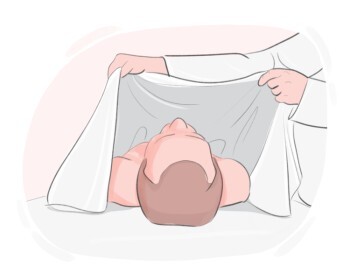
to no longer be alive
死ぬ, 亡くなる
悲劇的に、高速道路での車の事故で数人が亡くなりました。
to lose one's life, often terribly or suddenly
死ぬ, 悲惨な死を遂げる
事故や災害を防ぐための努力は、人々が命を落とす可能性を減らすことを目的としています。
to no longer be alive
亡くなる, 逝去する
おばあさんが昨年亡くなられたと聞いて残念です。

to no longer be alive
亡くなる, 逝去する
コミュニティは、愛する教師が亡くなったと聞いて悲しんだ。
| 身体的および社会的ライフスタイルの動詞 | |||
|---|---|---|---|
| 人生のサイクルのための動詞 | 睡眠サイクルのための動詞 | リラックスのための動詞 | 不随意行動のための動詞 |
| 口頭行動のための動詞 | 栄養のための動詞 | ボディランゲージと愛情表現のための動詞 | 訪問と連絡のための動詞 |
| 収集のための動詞 | 対人関係のための動詞 | いたずらのための動詞 | 欺瞞のための動詞 |
| 虐待のための動詞 | |||
