pattern

IELTS Generalの語彙 (スコア5) - 言語コミュニケーションに従事する

ここでは、General Training IELTS試験に必要な、口頭コミュニケーションに関連するいくつかの英単語を学びます。

レビュー

フラッシュカード

語形

綴り

クイズ

学習を開始
Vocabulary for General Training IELTS (5)
to announce
to announce
[動詞]

to make plans or decisions known by officially telling people about them

発表する, 告知する
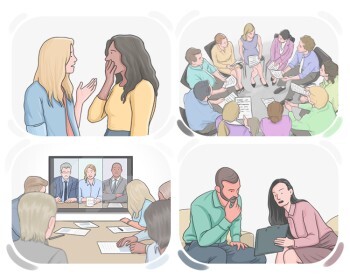
発表する, 告知する

Ex: The coach is announcing the starting lineup for the championship game. 
to communicate

to exchange information, ideas, or feelings with another person or group

コミュニケーションをとる,  連絡する

コミュニケーションをとる, 連絡する

Ex: Emma communicates with her parents by video call every weekend. 
to chat
to chat
[動詞]

to exchange messages with someone through an online service or app
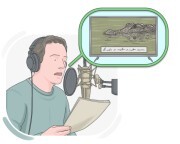
Ex: Emma chats with her cousins online every evening. 
to narrate
to narrate
[動詞]

to explain the events taking place in a movie, documentary, etc. as part of the program itself

語る, ナレーションする

語る, ナレーションする

Ex: The documentary was narrated by a renowned actor, whose voice added gravitas to the storytelling. 
to mention
to mention
[動詞]

to say something about someone or something, without giving much detail

言及する, 触れる

言及する, 触れる

Ex: In her speech, the speaker will mention the importance of community engagement. 
to dialogue
to dialogue
[動詞]

to engage in conversation or an exchange of ideas with someone

対話する,  話し合う

対話する, 話し合う

Ex: The two groups dialogued for several hours before reaching an agreement. 
to discuss
to discuss
[動詞]

to talk about something with someone, often in a formal manner

議論する, 話し合う

議論する, 話し合う

Ex: The manager discussed the sales targets with the staff. 
to gossip
to gossip
[動詞]

to talk about the private lives of others with someone, often sharing secrets or spreading untrue information

噂話をする, ゴシップを話す

噂話をする, ゴシップを話す

Ex: During lunch, the coworkers gossiped about a colleague's sudden resignation, speculating about the reasons behind it. 
to debate
to debate
[動詞]

to formally discuss a matter, usually in a structured setting

討論する, 議論する
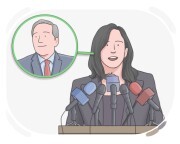
討論する, 議論する

Ex: Scientists debated the validity of the new research findings during the conference. 
to state
to state
[動詞]

to clearly and formally express something in speech or writing

述べる, 表明する

述べる, 表明する

Ex: The professor stated that the exam would be held on Friday and would cover chapters 1 to 5. 
to talk
to talk
[動詞]

to tell someone about the feelings or ideas that we have

話す, 語る

話す, 語る

Ex: They talked of their dreams and aspirations for the future. 
to argue
to argue
[動詞]

to speak to someone often angrily because one disagrees with them

言い争う, 口論する

言い争う, 口論する

Ex: I hate to argue with my parents, but this time they were wrong. 
to interact
to interact
[動詞]

to communicate with others, particularly while spending time with them

交流する, 関わり合う

交流する, 関わり合う

Ex: In the workshop, participants were encouraged to interact with each other to foster collaboration. 

ワークショップでは、参加者同士が協力を促進するために交流するよう奨励されました。

to negotiate
to negotiate
[動詞]

to discuss the terms of an agreement or try to reach one

交渉する, 協議する

交渉する, 協議する

Ex: The diplomats spent days negotiating the terms of the peace treaty between the two countries. 
to report
to report
[動詞]

to give a written or spoken description of an event to someone

報告する

報告する

Ex: Scientists will report their findings during the conference, sharing their research with the academic community. 
to tell
to tell
[動詞]

to use words and give someone information

言う, 話す

言う, 話す

Ex: Why wasn't I told about the change in schedule? 
to declare
to declare
[動詞]

to officially tell people something

宣言する, 表明する

宣言する, 表明する

Ex: After counting the votes, the election commission declared the final results of the election. 
to indicate
to indicate
[動詞]

to mention or express something in few words

言及する, 表現する

言及する, 表現する

Ex: She indicated her preference for Italian cuisine when choosing a restaurant for dinner. 
to point out
to point out
[動詞]

to show or mention something to someone and give them enough information to take notice

指摘する, 示す

指摘する, 示す

Ex: She pointed out the flaws in the plan during the meeting. 

彼女は会議中に計画の欠点を指摘した。

to speak
to speak
[動詞]

to use one's voice to express a particular feeling or thought

話す, 表現する

話す, 表現する

Ex: The president will speak at the event tomorrow. 
to whisper
to whisper
[動詞]

to speak very softly or quietly, usually to avoid being overheard by others who are nearby

ささやく, ひそひそ話す

ささやく, ひそひそ話す

Ex: The children giggled as they whispered to each other during storytime. 
to shout
to shout
[動詞]

to speak loudly, often associated with expressing anger or when you cannot hear what the other person is saying

叫ぶ, 怒鳴る

叫ぶ, 怒鳴る

Ex: Frustrated with the distant conversation, she had to shout to make herself heard across the crowded room. 
to mumble
to mumble
[動詞]

to speak in a low or unclear voice, often so that the words are difficult to understand

つぶやく, ぼそぼそ話す

つぶやく, ぼそぼそ話す

Ex: He tends to mumble when he's nervous, making it challenging to follow his speech. 

彼は緊張するとつぶやく傾向があり、その話を聞き取るのが難しい。

to socialize
to socialize
[動詞]

to interact and spend time with people

社交する, 付き合う

社交する, 付き合う

Ex: Introverts may find it challenging to socialize in large groups. 

内向的な人は大きなグループで社交するのが難しいと感じるかもしれません。

LanGeek
LanGeekアプリをダウンロード